Follow Us on Google
… Warns Japa Syndrome Extends the evil days
From Scholastica Hir, Makurdi
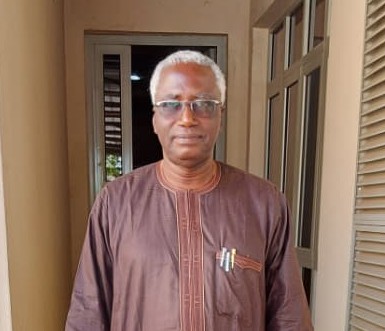
A land surveyor, Alfred Ajagbe, has said that the challenges facing Nigeria today cannot be blamed solely on political leaders, insisting that citizens themselves share responsibility for the state of the nation.
Ajagbe made the assertion while speaking with our correspondent in Makurdi, the Benue State capital at an event organized to introduce what he described as a “message of truth to humanity,” stressing that leadership often reflects the character and weaknesses of the people it governs.
According to him, Nigerians must look inward and change their attitudes if the country is to experience genuine transformation.
Ajagbe who explained that many citizens prefer to play the victim rather than take responsibility for the nation’s decline said “The truth of the matter is a people begets the leader they deserve. The leader is the embodiment of the weaknesses of the people. Unfortunately, because of the feedback system, the people complain about the leader.
“But really, the element that makes up the weakness is in the people. When the people learn that change begins with them and they change their mindsets, they change their love of money, their greed, everything about them, the leadership will change. But unfortunately, people don’t look at themselves. They play the victim game. We are citizens, our leaders are not doing us well. That’s not correct.”
He argued that meaningful change would only come when individuals reform their mindset, curb greed, and abandon the excessive love for money that fuels corruption and poor governance.
He compared Nigeria’s situation with some European countries, particularly Sweden and other Nordic nations, where he noted that citizens willingly contribute to national development through responsible civic behavior such as paying taxes and supporting local systems. According to him, those societies thrive because their people believe in building their own institutions rather than depending on foreign alternatives.
He noted that the growing trend of Nigerians leaving the country, popularly known as the “Japa syndrome,” saying such moves only extends the evil days, and increases the country’s difficulties instead of addressing the root causes.
Ajagbe further lamented what he described as Nigerians’ obsession with foreign products and systems. He questioned why many Nigerians prefer imported rice to locally grown rice and why there is pride in using foreign-made goods, from clothing to shoes, rather than supporting local industries.
Other News
He noted that “We grow tomatoes, cotton and many other things in this country, yet we prefer imported goods. Some people boast that their shoes are from Italy or that their children studied abroad. That mentality is part of the problem.”
On the increasing migration of skilled professionals such as doctors and nurses, Ajagbe said the trend reflects deeper societal issues and warned that unless Nigerians begin to value and develop their own systems, especially education, agriculture and local industries, the continuous exodus of professionals will further weaken the country.
According to him, the solution lies in knowledge, moral reorientation and personal transformation. He stressed that citizens must understand that actions have consequences, and that negative attitudes in society inevitably produce negative outcomes.
He explained d that “The law of life is simple: if you sow evil, you reap evil. If you sow good, you reap good,” adding that societal change must begin with individuals choosing to do the right thing.
Ajagbe further emphasized that many of Nigeria’s problems persist because people lack proper understanding and direction. According to him, suffering in the country is compounded by a lack of comprehension about the principles that govern life and society.
Reflecting on Nigeria’s political history, he recalled that citizens often celebrated military coups in the past as moments of liberation, only to begin complaining again shortly after; such reactions, he said, show that the real problem lies not in leadership changes but in the mindset of the people.
“The solution is not through arms or money. Man must change. When people change their attitude and mindset, leadership and the nation itself will change,” he added.