Follow Us on Google
As Nigeria battles mounting plastic pollution and the public health risks associated with poor waste management, a new coalition involving government agencies, industry groups, recyclers and development partners has been launched to strengthen waste recovery and promote cleaner communities across the country.
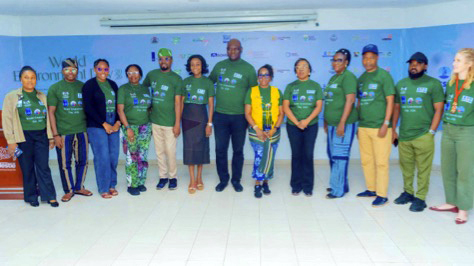
The coalition, unveiled by Nestlé Nigeria to commemorate the 2026 World Environment Day, will coordinate environmental awareness campaigns and community clean-up activities in 12 locations nationwide. Stakeholders say the initiative is designed to move beyond periodic clean-up exercises towards a more coordinated approach to tackling waste leakage and improving recycling systems.
The development comes amid growing concerns over the impact of unmanaged waste on public health and the environment. Across many Nigerian cities, improperly disposed plastic waste contributes to blocked drainage channels, flooding and environmental degradation, while also creating breeding grounds for mosquitoes and other disease vectors linked to malaria and other illnesses.
Experts have repeatedly warned that poor waste management remains a major challenge in urban centres, where increasing population growth and consumption patterns continue to generate large volumes of waste that often overwhelm collection and disposal systems.
Speaking at the launch, Nestlé Nigeria’s Lead for Corporate Communications, Corporate Affairs and Sustainability, Victoria Uwadoka, said sustainable waste management requires coordinated action involving policymakers, businesses, recyclers and communities.
According to her, the coalition seeks to connect policy implementation, waste collection infrastructure, community engagement and recycling systems in a manner capable of delivering long-term environmental outcomes.
The initiative brings together key public and private sector actors, including the Federal Ministry of Environment, the National Environmental Standards and Regulations Enforcement Agency (NESREA), the Lagos State Ministry of Environment and the Lagos State Waste Management Authority (LAWMA).
Industry and environmental organisations participating in the coalition include the National Plastics Action Partnership, the Food and Beverage Recycling Alliance, the Circular Economy Innovation Partnership and the Recyclers Association of Nigeria.
Development partners supporting the programme include the Swiss Consulate and the Kingdom of the Netherlands, while implementation will be coordinated by the African Clean-Up Initiative.
Representing the Minister of Environment, Mrs. Olabimpe Adenaike, Controller of the Lagos Field Office of the Federal Ministry of Environment, described the initiative as consistent with national efforts to improve environmental sustainability and climate resilience.
She noted that effective waste management plays an important role in protecting public health, reducing environmental pollution and promoting safer communities.
Nigeria generates millions of tonnes of waste annually, a significant proportion of which is not adequately collected or recycled. Environmental advocates have argued that strengthening waste recovery systems and encouraging responsible consumption are critical to reducing pollution and protecting ecosystems.
Nestlé Nigeria said its waste recovery partnerships have helped facilitate the collection of more than 60,000 metric tonnes of plastic waste for recycling since 2019 through collaborations with organisations such as Chanja Datti, Wecyclers and MECOM.
The company also reported that its internal Employee Plastics Collection Scheme has recovered more than 12,000 kilograms of plastic waste since 2022.
While environmental stakeholders have welcomed increased private sector participation in waste management efforts, they maintain that lasting progress will depend on sustained investment in collection infrastructure, stronger enforcement of environmental regulations and greater public participation in recycling and responsible waste disposal.
The newly launched coalition is expected to focus on strengthening waste collection systems, supporting recycling initiatives and expanding public awareness campaigns in participating communities.
For stakeholders, the initiative represents a growing recognition that addressing Nigeria’s waste crisis requires collaboration across the entire value chain, from manufacturers and regulators to recyclers and consumers.