Follow Us on Google

From Fred Ezeh, Abuja
Stakeholders in the health care sector have advocated a strong mechanism for improved local funding sources to close the obvious widening gaps in the vaccines and immunization services in Nigeria.
The push was, however, strengthened at a multi-stakeholder forum on National Immunization Funding organised by the Vaccine Network for Disease Control (VNDC), in Abuja.
Report by UNICEF indicated that Nigeria has over two million zero-dose children, a dangerous trend that could serve as gateway to outbreak of communicable diseases such as polio, diphtheria, measles and several other vaccine-preventable diseases.
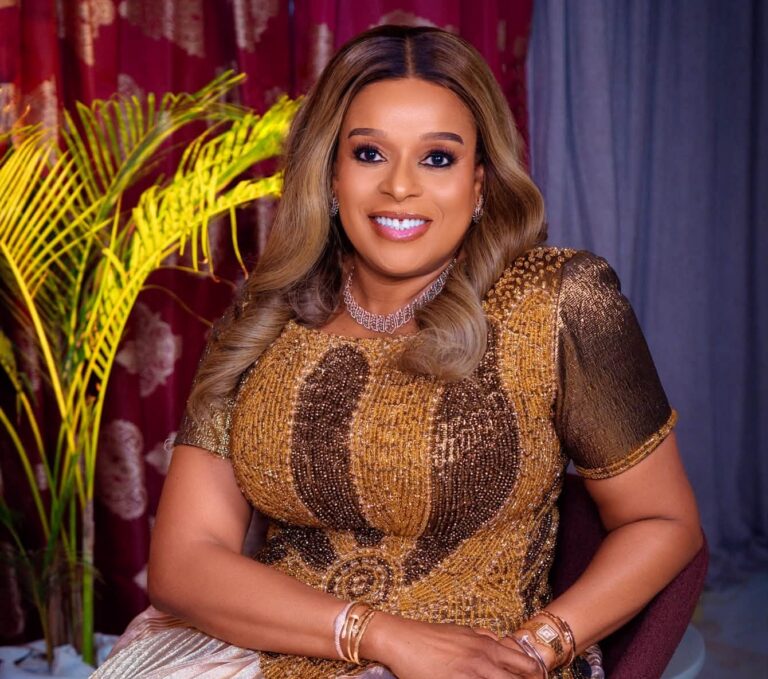
Mrs. Chika Offor, the Chief Executive Officer of VNDC, in her welcome address, stressed the importance of vaccines to the health of the population (herd immunity) as well as the productivity of a nation which is reflected on its Gross Domestic Product (GDP).
She said: “I believed strongly that anything that disrupts human health and development is a disease, and anything that supports development is a vaccine. To this end, immunization is extremely important, and we need more funding from local and international sources to support it. Money is essential to purchase these vaccines.
“Currently, there’s an ongoing immunization campaign on Human Papilloma Virus (HPV) vaccine which protects many young girls from coming down with cervical cancer. This HPV vaccine was bought with money. We need to come together and find a way that will guarantee more funding for HPV.”
Mr. Tanimu Yakubu, the Director -General, Budget Office of the Federation, in his submissions, confirmed that Nigeria’s immunization programme is grappling with a significant funding gap that threatens its sustainability and effectiveness.
He said: “Data available to us indicated that financial requirement for Nigeria’s immunization program stands at $580 million dollars. But the Nigerian public sector contributes less than $200 million, thus leaving a substantial $430 million gap.
“The shortfall has been partially bridged by international donors, including the Bill and Melinda Gates Foundation, GAVI, UNICEF, and others, who together contribute $230 million. A $200 million funding gap remains unaddressed.
Sen. Ibrahim Oloriegbe, former Chairman, Senate Committee on Health, in his remarks, challenged the National Assembly to improve on funding for health sector, highlighting that proper funding for vaccines and immunization would not only addresses health issues but also has significant economic and security benefits.
Similarly, the Coordinator for Prevent Epidemics/Immunization Programmes at GHAI, Prof. Emmanuel Alhassan, said that Nigeria is significantly lagging in vaccine and immunization financing.
He appealed to stakeholders, especially the decision-makers to acknowledged the fact that health is wealth, and immunization is crucial for enhancing the health of Nigerians.
“Surely, we understand the fiscal challenges facing the country, hence the appeal to the National Assembly, the Ministry of Finance, the Ministry of Budget and National Planning, and the Office of the Accountant General for cooperation in healthcare financing.
Dr. Mustapha Lecky, Chairman of the Health System Reform Coalition of Nigeria (HSRCN), stressed on the critical impact of Vaccine-Preventable Diseases (VPDs) on children under five in Nigeria, and highlighted the urgent need to address the preventable deaths.
He said: “The economic and generational loss caused by children’s deaths underscore the broader implications of these preventable deaths on Nigeria’s economy and future generations.”