Follow Us on Google

Stakeholders involved in HIV response in Nigeria have stressed the need to integrate and regard Non-Communicable Diseases (NCDs) and HIV/AIDS as diseases that should no longer be treated in silos.
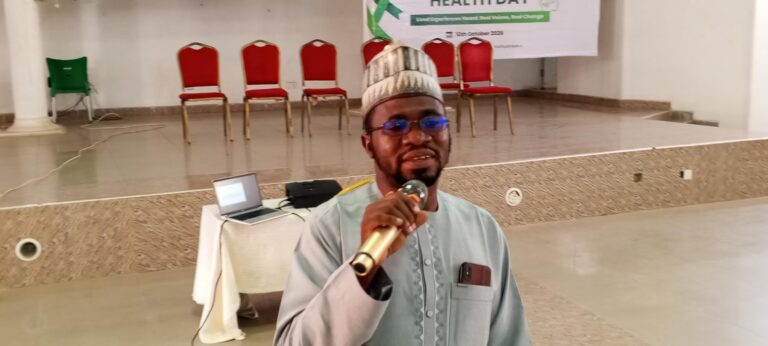
They made the call at the first Annual APIN public health initiatives’ one-day symposium on ‘Integrating NCDs and HIV to ensure long and quality lives for People Living with HIV (PLHIV).’
Chief Executive Officer of APIN, Dr. Prosper Okonkwo, said that rapid decline in mortality among PLHIV in one of the major benefits of expanding access to anti-retroviral medication.
“With the ‘Treat All’ approach, life expectancy gaps between PLHIV and general population have narrowed significantly, almost evening out in high-income countries, with lingering gaps in parts of Sub-Saharan Africa.
“Unfortunately, this has not translated to a similar picture for co-morbidity-free life expectancy as PLHIV are disproportionately affected by NCDs and this increased burden may reverse these gains and impede progress toward HIV epidemic control,” he said.
Okonkwo said that it was estimated that by 2030, 73 per cent of HIV-infected individuals will be over 50 years of age and 78 per cent of individuals living with HIV will have cardiovascular diseases.
Special Adviser to the President on Health, Dr. Salma Anas-Kolo, said that the discussion on NCDs and AIDS was apt, as it would help Nigeria get closer to the attainment of Sustainable Development Goals (SDGs) and Universal Health Coverage (UHC).
She said that in recent times, experts had exposed the potential of integration of services for HIV and NCDs to help expand coverage of health care for PLHIV and NCDs and address the risk of developing NCDs among them, especially in low and middle-income countries, including Nigeria.
“Therefore, APIN’s initiative in this regard is novel and commendable. It has high potential to help Nigeria come closer to attainment of the SDG and UHC coverage.
“In so doing, it will help us to reduce the burden of NCDs among Nigerians, which is estimated to exceed what we now have as communicable diseases,” she added.
The United States Center for Disease Control (US CDC), Dr. Jerry Gwamna, said that Nigeria and many developing countries continue to experience economic growth, while dealing with infectious diseases such as HIV, tuberculosis and malaria.
He added that increasing life expectancy and lifestyle choices influenced by economic development and urban living had also led to an associated hike in NCDs leading to these countries dealing with the double burden of disease, both the infectious disease and the NCDs.
“This risk overlap continues to drive an epidemiological transition leading to increase in morbidity and mortality, loss of economic activity and a risk of hampering economic growth.
“The World Health Organisation (WHO) NCDs progress monitor reported in 2022 that NCDs contributed to 27 per cent of deaths and approximately 480,000 deaths in Nigeria.
“This reality necessitated a renewed call to jettison disintegrated approaches and adopt an integrated framework for the management of infections and chronic health conditions to discourage competition for limited resources in tackling health problems.”
Immunology and Infectious Diseases, Harvard T.H. Chan School of Public Health, Prof. Phyllis Kanki, described AIDS as a disease caused by a small Ribonucleic Acid (RNA) virus, which causes confusion and chaos to the human immune system.
She, however, said that it was much more than a medical or clinical problem and that tackling AIDS care and prevention involves all sectors of society, and requires a multidisciplinary approach to make real progress.
“NCDs is an important co-morbidity of HIV infection and in some ways, it becomes part of our treatment plan. It is a critical aspect to this disease that particularly those of us working in Nigeria need to address because of our ageing population.”
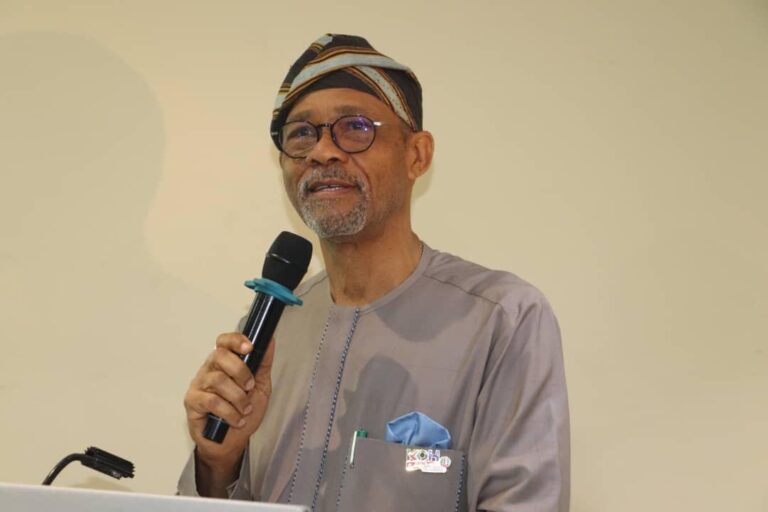
The Board Chairman of APIN, Dr. Ayodeji Odutolu, said the problem of hypertension, diabetes, cancer, was abnormal in the society and if how they impact on other things were not critically looked at, would pose a problem.
He said: “I think it should not overwhelm the society as a whole. We should be thinking of how do we start from what we know to the unknown and begin to think, generate knowledge to influence policies and practices with regards to NCDs among Nigerians.”