Follow Us on Google
Stories by Maduka Nweke, [email protected]
In a pressing call to action, stakeholders have urged the Nigerian government to take decisive measures to address the alarming frequency of building collapses and demolitions that have recently plagued the country. The call comes amid growing concern over the severe economic, social, and environmental repercussions of these incidents, which include loss of life, significant property damage, and disruption to communities.
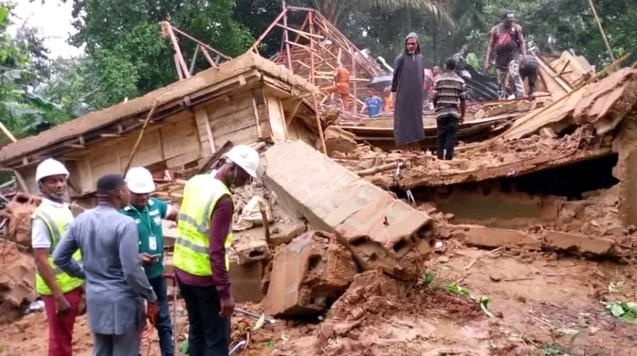
The Building Collapse Prevention Guild (BCPG) has particularly highlighted the need for urgent government intervention following a tragic building collapse in Kosofe Local Government Area, Lagos. On July 25, 2024, a three-story building, including a penthouse, collapsed at 13 Wilson Mba Street, Arowojobe Estate, Mende, Maryland, resulting in the death of five individuals. The BCPG has expressed grave dissatisfaction with how the incident was managed, pointing to systemic failures in construction oversight and safety regulation.
During their investigation of the collapsed site, the BCPG noted several critical issues that warrant immediate attention. The group observed that newly constructed pile caps were present at the site, raising concerns about the construction practices used and the overall integrity of the building. They have called for a thorough investigation to determine the exact causes of the collapse and to reassess the standards governing the construction industry.
The BCPG, represented by Mr. Soji Adeniji and Fatai Balogun, emphasized that the incident underscores a broader pattern of negligence in construction practices. They pointed out that despite ongoing monitoring by government officials, the regulatory framework has proven inadequate in preventing such tragedies.
In light of these concerns, the BCPG has proposed a series of recommendations aimed at improving building safety and preventing future collapses:
Comprehensive Non-Destructive Testing (NDT): Conduct NDT on all buildings showing signs of distress, particularly in areas surrounding recent collapse sites. This will help assess the structural integrity of these buildings and prevent further incidents.
Other News
Thorough Verification of Soil Investigation Reports: Ensure that all soil investigation reports submitted for construction projects are accurate and comprehensive. This includes verifying the findings to address any deficiencies in geotechnical surveys and imposing severe penalties for negligence.
Concurrent Forensic Investigations: Implement forensic investigations alongside rescue operations to accurately determine the causes of building collapses. This approach will help identify any malpractice in the construction industry and hold responsible parties accountable.
Enhanced Accountability and Training: Introduce stringent accountability measures for construction errors and ensure that all construction projects adhere to both local and international standards. Regular training for staff involved in construction oversight should focus on conducting thorough technical audits and preventing corruption.
Rigorous Construction Supervision and Certification: Establish a robust system for inspecting and certifying construction projects at all stages. Regular inspections should include safety audits and evaluations of contractor performance, with findings made publicly accessible.
Combatting Unqualified Practitioners: Create and maintain a comprehensive database of licensed construction professionals, including their qualifications and experience. Ensure that only competent individuals are authorized to participate in construction projects and thoroughly assess design indemnity and insurance policies.
The BCPG concluded by urging the government to take their recommendations seriously and launch a comprehensive probe into the systemic issues contributing to building collapses. They stressed the need for a collaborative effort involving government agencies, construction companies, and community stakeholders to uphold safety standards and ensure accountability.
The group remains dedicated to advocating for safer construction practices and calls for justice for the victims of recent building collapses. They look forward to the government’s response and the public release of the investigation report to address these urgent concerns and work towards a safer built environment for all Nigerians.