Follow Us on Google
•Say it will boost growth, protect small businesses
By Merit Ibe
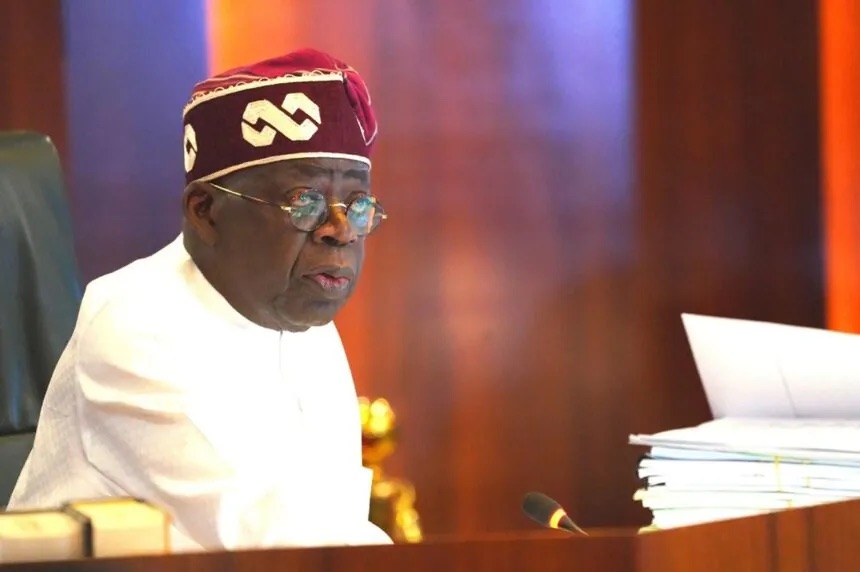
Stakeholders have expressed strong support for the new tax policy introduced by the administration of President Bola Tinubu, describing it as a major step toward improving Nigeria’s economy and easing the burden on citizens and businesses.
President of the Ondo State chapter of the Nigerian Association of Chambers of Commerce, Industry, Mines and Agriculture (NACCIMA), Pastor Henry Adesaoye, said the reform was designed to reduce financial pressure on ordinary Nigerians, particularly small and informal-sector businesses that form the backbone of the economy.
According to Adesaoye, the new tax law promotes fairness by ensuring that low- and middle-income earners pay less, while high-income earners contribute a fairer share. He noted that by reducing unnecessary taxation and closing leakages, the policy would encourage growth, transparency and accountability in the system.
He, however, stressed that for the reform to gain public trust, government must invest tax revenues in critical infrastructure that improves living standards and supports economic activities. “When citizens see taxes translated into better roads, power and services, confidence in the system will grow,” he said.
Also speaking, David Etim, Team Lead for Project Implementation at the Calabar and Gulf of Guinea Municipal and Trade Centre Limited by Guarantee, described the tax reform as transformative, saying it could change Nigeria’s economic and political dynamics if successfully implemented.
Etim said the reform would exempt a large portion of the population from paying personal income tax, noting that individuals earning below ₦2.2 million annually would be tax-free, while taxes for higher earners would be graduated from zero to 25 per cent based on income levels. He added that micro, small and medium enterprises (MSMEs) with annual turnover or profits of up to ₦50 million would also be exempt from corporate tax, while essential items such as food would remain tax-free. According to him, this would increase disposable income, stimulate consumption and put more money into circulation.
Etim further highlighted the harmonisation of taxes as a key benefit of the reform, saying it would curb multiple and illegal levies imposed by local authorities. He noted that the new law would end the harassment of traders and market women by tax collectors, a problem he said had plagued businesses for years.
Drawing from his experience as a former president of the Calabar Chamber of Commerce, Etim said the reform addressed long-standing issues of exploitative municipal taxes, which often taxed capital rather than profit.
“As former president of CALCCIMA, I know the battle we fought because of exploitative municipal taxes and levies in the market. I know the battle I fought up to the House of Assembly, up to the point where we pursued and got a presumptive tax bill passed.
“So we’ve done a lot and this tax reform addresses all of it from a national perspective.”
He concluded that much of the criticism surrounding the tax reform was driven by politics rather than economic realities.