Follow Us on Google
By Lawrence Agbo
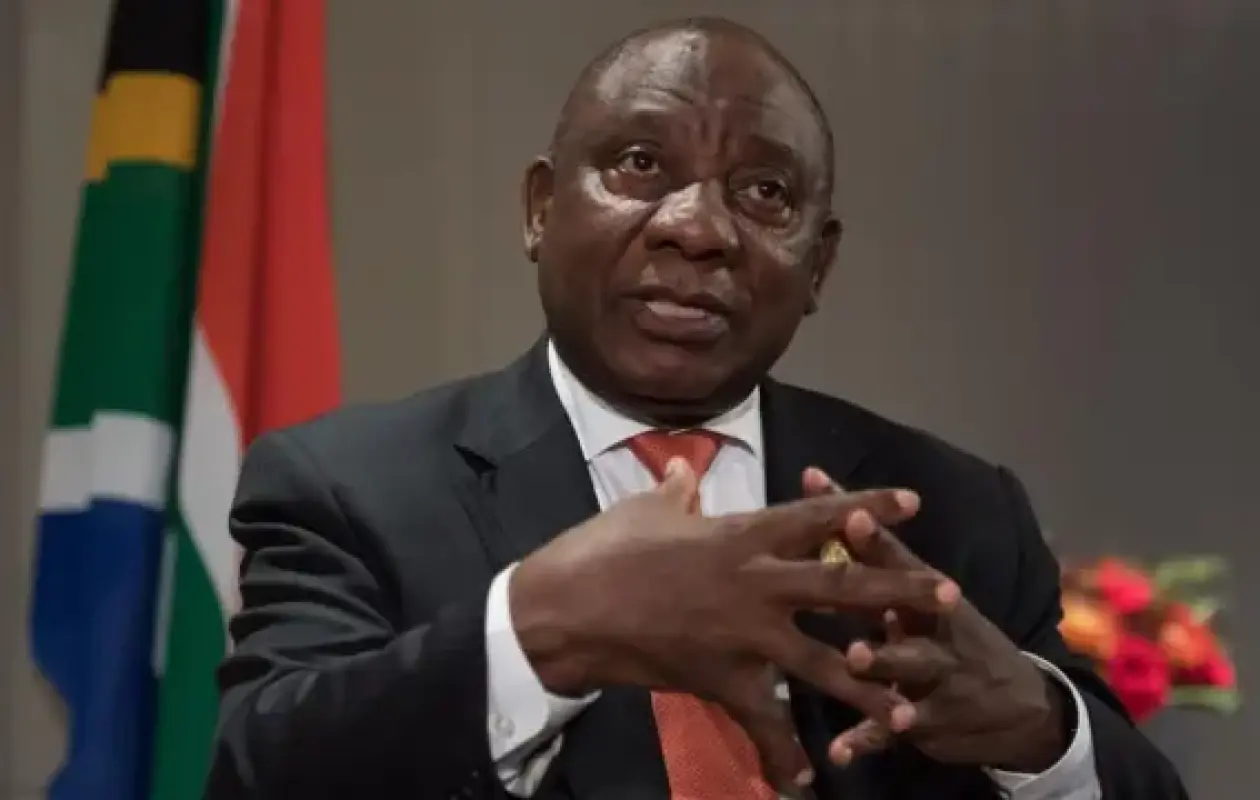
South African President Cyril Ramaphosa has pushed back against growing claims that his country is xenophobic, insisting that recent protests against undocumented migrants and isolated incidents of violence should not be used to judge South Africans.
Speaking through his spokesperson, Vincent Magwenya, Ramaphosa said that describing South Africa as xenophobic was an unfair and simplistic interpretation of a more complex immigration challenge facing the country.
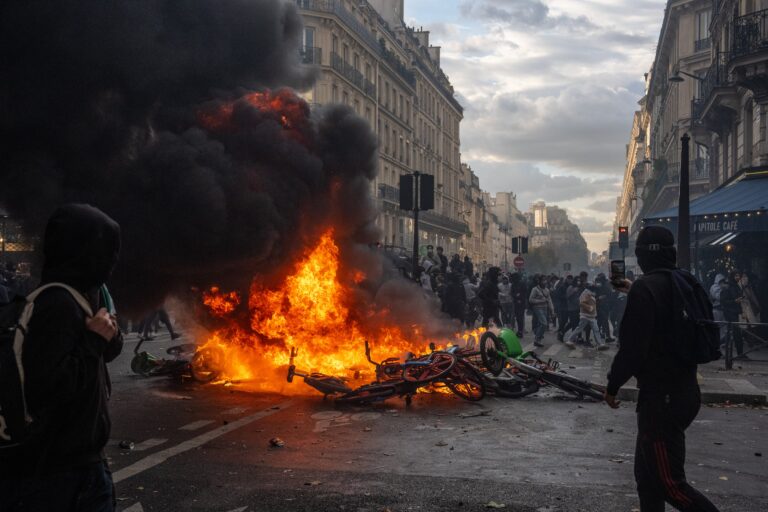
Magwenya made the remarks on Wednesday in Cape Town as protests over undocumented foreign nationals continued to spread, with demonstrators calling for stricter immigration enforcement, tighter visa regulations, and action against businesses employing illegal migrants.
Some of the protests, including those linked to groups such as Operation Dudula and political organisations, have at times turned violent, raising concerns across the continent over the safety of African migrants living in South Africa.
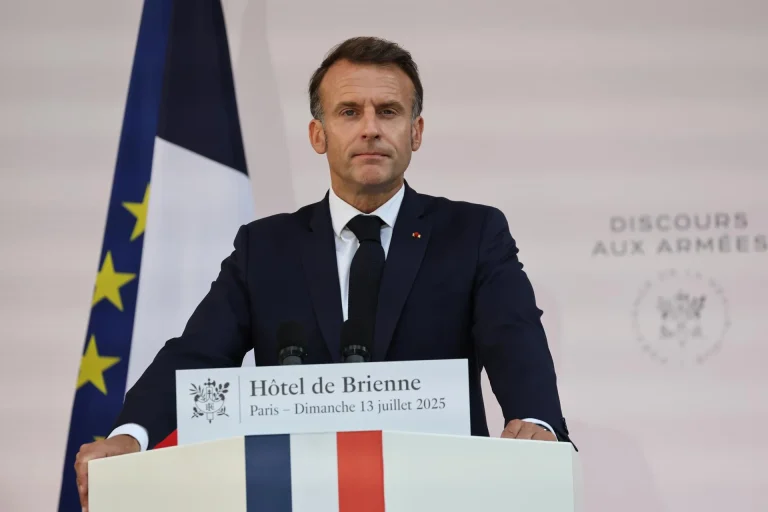
Magwenya said the issue was discussed during a recent meeting between Ramaphosa and Daniel Chapo at Genadendal, where both leaders agreed that South Africa and its people should not be branded as xenophobic.
According to him, while public protests are allowed under the country’s constitutional system, they should not be mistaken for national hostility toward foreigners.
“The matter was discussed yesterday between President Chapo and President Ramaphosa, and they both agreed that, number one, South Africa is not xenophobic. South Africans are not xenophobic,” as quoted by South African news agency, IOL.
“Once you have pockets of protest, which is permissible within our constitutional framework, you also have the reality that the issue of immigration is a pressure point, not only here in South Africa, but throughout the world where protests are held on these issues,” Magwenya said.
Other News
He stressed that immigration remains a major pressure point not only in South Africa but across many countries globally, where debates over undocumented migration continue to fuel political and social tension.
Magwenya said communities have legitimate concerns, particularly around crime and the strain undocumented migration can place on local systems, but insisted those concerns must be addressed lawfully and peacefully.
He noted that the president expects law enforcement agencies to act without bias against anyone involved in criminal activity, whether citizens or foreign nationals, while also ensuring the protection of migrants from violence and intimidation.
Ramaphosa also called for broader continental cooperation to tackle the root causes of migration, including conflict, instability, poor governance, and economic hardship across African countries.
He said condemnations from neighbouring nations should be followed by practical engagement aimed at solving the problems pushing people to leave their home countries in search of safety and better opportunities.
The president further maintained that South Africa remains a welcoming country and described attempts to label all South Africans as xenophobic as “lazy analysis” that ignores the deeper realities behind migration tensions.
His remarks come after Nigeria Ghana and other countries raised concerns over attacks on their citizens in South Africa, with Nigeria advising its nationals to remain cautious and offering voluntary evacuation to those willing to return home.
Meanwhile, South Africa’s Police Ministry said security agencies would continue to respond firmly to any violence against foreign nationals, stressing that such acts are unlawful and contradict the country’s constitutional values of equality, dignity, and human rights.