Follow Us on Google
From Juliana Taiwo-Obalonye, New York
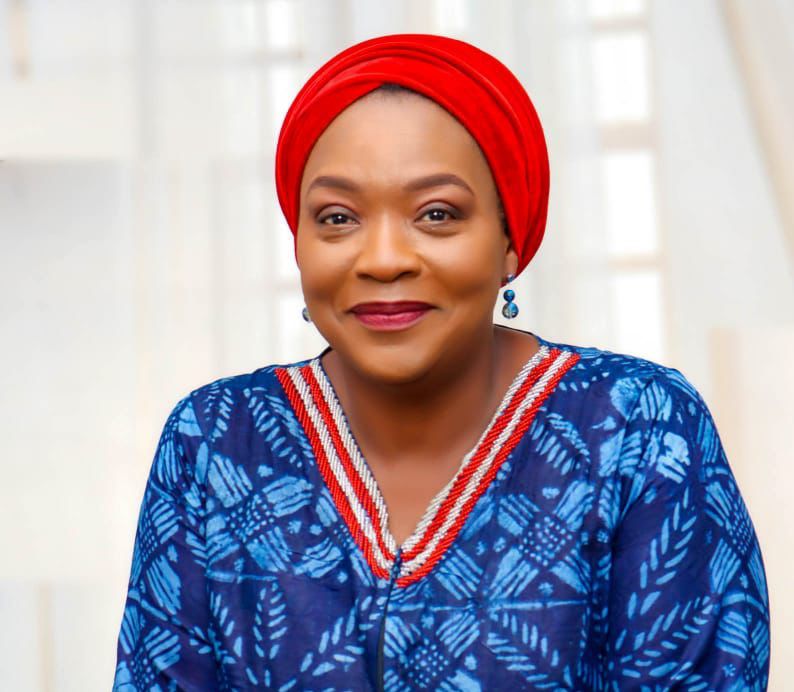
At the sidelines of the ongoing 70th Session of the Commission on the Status of Women (CSW70) at the United Nations Headquarters in New York, Chair of the Board of Directors of Women Radio WFM 91.7, Toun Okewale Sonaiya, has called on Ogun State to take the historic step of producing Nigeria’s first elected female governor in 2027 — identifying the state’s Deputy Governor, Engineer Noimot Salako-Oyedele, as a fitting candidate for the feat.
Delivering her keynote address at the 2nd Edition of Nigerian Women’s Day and Dialogue on 31 Years of Progress, Resilience, Impact, and Renewed Hope, Sonaiya said the time had come for women to move from merely “being at the table” to “owning the table” in governance and politics.
“We already have nine female deputy governors — the highest Nigeria has ever had,” she stated. “But we want more. And I think with SheRuns, we can galvanise women to make history by producing Nigeria’s first elected female governor. The deputy governor of my state, Ogun, has served excellently for eight years; she is competent, tested, and trusted — a good candidate for Nigeria’s first elected female governor, hopefully under SheRuns.”
Sonaiya described Engineer Salako-Oyedele as a woman of integrity, administrative experience, and quiet but effective leadership, who has demonstrated excellence and loyalty in public service.
“Her track record speaks for itself,” Sonaiya remarked. “She has represented Ogun women well and has shown that women can lead with empathy, intellect, and remarkable capacity. Ogun State is ripe to lead Nigeria into a new chapter of gender-balanced governance — and she perfectly embodies that possibility.”
The Women Radio boss, who described herself as a “proud Nigerian in the diaspora who returned home 11 years ago to contribute her quota,” commended the present administration for what she called “a deliberate and inclusive leadership posture” that prioritises women’s welfare and empowerment through the Renewed Hope Social Impact Interventions (RH-SII) of the Ministry of Women Affairs.
“Any administration that is inclusive, deliberate, intentional, and interested in women and their families deserves commendation and support,” Sonaiya said. “I’m not a politician; I’m a woman. My constituency is women, and with the data before me, I believe we are on the right track.”
She emphasised that progress in Nigeria depends on the collective efforts of citizens and friends of the country, describing this as a “national jigsaw” that requires everyone’s positive contribution.
Other News
“No one will make a change in Nigeria except Nigerians and friends of Nigeria,” she declared. “The percentage of those giving Nigeria a negative image is small. Your positive contribution, no matter how little, is like a piece of a jigsaw. Bit by bit, we will build a bigger, positive Nigeria.”
Sonaiya showcased several programmes under RH-SII targeted at empowering millions of women and families nationwide. These include PowerHer774, Women Agro Value Expansion (WAVE), and SheRuns, each focused on sustainable livelihood, leadership, and empowerment.
“The PowerHer774 initiative targets one million women households across the 774 local governments to fight energy poverty and drive clean energy access,” she explained. “The project already enjoys presidential support, with a $500 million funding line from the Bank of China.”
On WAVE, she revealed that women farmers are being transformed into agro-entrepreneurs, noting that a pilot project turned a modest ₦1 million loan into ₦10 million in added value within months. “These are practical steps to address food insecurity, malnutrition, and poverty among Nigerian women,” she said.
She equally mentioned supporting programmes like Digital Harmony to enhance women’s digital literacy, HerSafeGuard and RenewHer for health protection, and the Child Advancement Programme to assist vulnerable and out-of-school children.
Reaffirming her call for partnership, Sonaiya appealed to Nigerians both at home and in the diaspora to invest in rebuilding the country through collective giving and accountability.
“If one million people give one pound every month, we can build infrastructure that will bring the Nigeria we all desire,” she said. “We have no other country but Nigeria. Let’s rebuild it together. Every penny will be accounted for. The diaspora are wired to deliver — they just want to get things done.”
In conclusion, she expressed renewed optimism for the nation’s future, asserting that women’s inclusion in leadership will play a central role in Nigeria’s rebirth.
“There are many negatives about Nigeria at home and abroad,” Sonaiya admitted, “but I remain a proud Nigerian. Together, we will rebuild a stronger, more inclusive nation — where the voices and hands of women, like those of Engineer Noimot Salako-Oyedele, will shape the destiny of future generations.”