Follow Us on Google
By Doris Obinna
Social media’s constant notifications and highly addictive nature are significantly disrupting sleep patterns, diverting attention from homework and physical activity, and negatively impacting academic performance and overall health of secondary school students, the Mothers And Marginalised Advocacy Centre (MAMA Centre) and Avocats Sans Frontiers (ASF) Nigeria have warned.
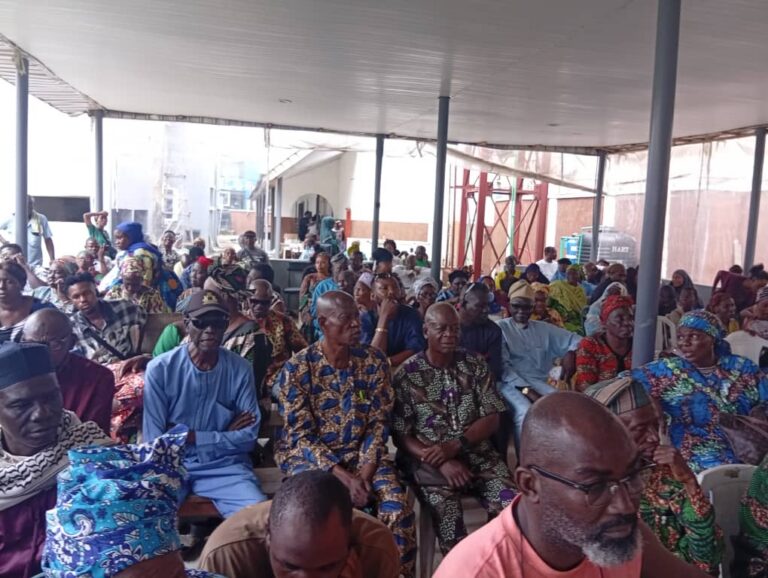
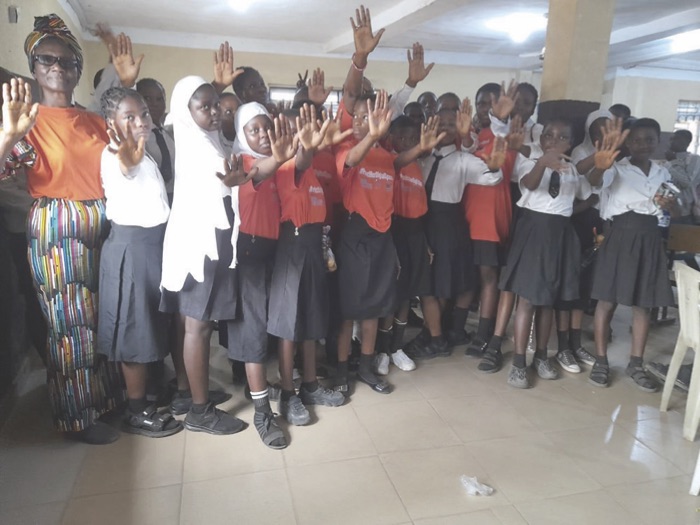
The warning was issued during events for the 16 Days of Activism against Gender-Based Violence (GBV), where the groups highlighted the growing dangers adolescents encounter on social media platforms.
With over 95 per cent of young people aged 13 to 17 reporting social media use, and many spending upwards of three hours daily online, MAMA Centre noted that while the platforms offer benefits such as connection and information, they also present significant, often hidden dangers during a crucial period of mental and emotional development.
In a statement by Dr Executive Director, MAMA Centre, Chioma Kanu, and Bureau Chief of ASF Nigeria, Angela Uzoma Uwandu-Iwuchukwu, with support from the French Embassy, the organisations lamented the trend.
“We are at a point where we cannot ignore the profound risks social media poses to our young people,” said Dr Chioma B. Kanu. “The challenge is multifaceted, impacting mental health, physical safety, and academic focus. Our goal is not to ban these platforms, but to equip our students and families with the knowledge to navigate them safely and healthily.” The groups highlighted dangers including exposure to harmful content that can trigger anxiety, depression, and poor body image, leading to low self-esteem, especially among girls.
They identified anonymity and the distancing effect of social media as factors that make the platforms breeding grounds for cyberbullying. This behaviour, they warned, can be relentless, invading a child’s personal space around the clock and causing severe emotional distress and potential self-harm.
“Young people are exposed to inappropriate content including violent, explicit material, misinformation and dangerous social media challenges. This exposure can normalise risky behaviour and distort their perception of reality,” the statement read.
Other News
The NGOs further cautioned that malicious actors often exploit vulnerable teens by establishing online relationships with the intent to extort or abuse them, a risk compounded when private information is overshared.
Based on these concerns, MAMA Centre and ASF Nigeria issued recommendations to reverse the trend. They urged secondary school students and young people under 18 to immediately block and report any user who makes them feel uncomfortable, engages in harassment, or sends inappropriate requests.
Children were advised: “Tell a trusted adult immediately. Set all accounts to the highest privacy level and never share personal information. Never agree to meet anyone you only know online, and if you must, be accompanied by a trusted adult and meet in public places.” The NGOs stressed that anything posted online is permanent and contributes to digital reputation, urging stakeholders to teach children to avoid sharing private, angry, or emotional content.
Parents, guardians, and teachers were encouraged to foster open, non-judgemental dialogue with children about their online friends, influencers, and the emotional impact of content. They were also advised to use parental control and ‘family pairing’ features on platforms like TikTok and Instagram to manage screen time and restrict harmful content.
“Be vigilant for signs of distress related to social media use such as secrecy about online activity, changes in sleep or eating habits, avoidance of school or sudden withdrawal, and seek professional help immediately,” the statement urged.
The groups called on schools to urgently implement digital citizenship by integrating curricula on media literacy, critical thinking, and cyberbullying awareness. They also stressed the need for confidential access to counsellors or mental health professionals for students.
Furthermore, they demanded that tech companies operating in Nigeria establish local content moderation teams with cultural expertise and language proficiency, while advocating for a comprehensive online safety law to address digital harms and sanction offenders.
“By working together, we can ensure that our school children benefit from the positive aspects of the digital world while being protected from its most significant harms,” the statement concluded.