Follow Us on Google

By Chinenye Anuforo
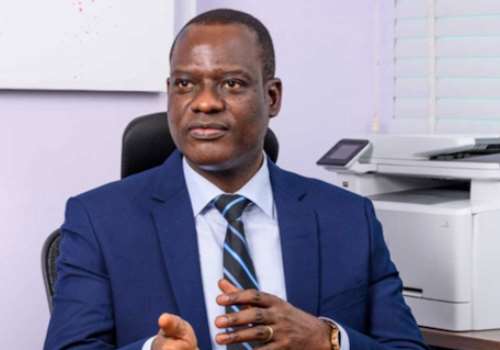
Nigeria may continue to lose major digital infrastructure investments to competing African countries unless urgent action is taken to address rising electricity costs and other structural bottlenecks affecting the sector, Managing Director of Digital Realty Nigeria, Ikechukwu Nnamani, has warned.
Nnamani said the cost of power has become a decisive factor influencing where investors choose to locate large-scale digital infrastructure projects across Africa.
He revealed that Nigeria recently lost a potential large-scale Bitcoin mining investment because the cost of electricity made the country less competitive.
According to him, the project, which required about 20 megawatts of electricity, eventually moved to Ethiopia where power costs were significantly lower.
“The cost of electricity is another major issue,” Nnamani said.
“A company once considered Nigeria for a major Bitcoin mining project requiring about 20 megawatts of power. Eventually, the company chose Ethiopia because electricity there was significantly cheaper.”
His observationns highlighted growing concerns within the telecom and digital infrastructure ecosystem that Nigeria’s operating environment is becoming increasingly unattractive for investors despite the country’s large market size and growing digital demand.
Nnamani noted that while Nigeria remains Africa’s largest telecom market by subscriber numbers, high infrastructure deployment costs continue to undermine its ability to attract major global technology investments.
He pointed to several obstacles including expensive power, high ICT equipment import duties, multiple taxation and weak protection of telecom infrastructure.
According to him, deploying digital infrastructure in Nigeria is significantly more expensive than in countries such as South Africa.
Other News
He explained that import duties on ICT infrastructure remain far higher than what operators face in several African markets where such charges can be as low as one per cent.
The Digital Realty Nigeria boss also lamented the continued challenge of multiple taxation and overlapping regulatory demands imposed on operators by different government agencies.
Beyond power and taxation, he said fibre cuts and vandalism continue to disrupt network quality and discourage investment despite the government’s designation of telecom infrastructure as critical national infrastructure.
“In one instance, a construction company that damaged fibre infrastructure simply told operators to go to court,” he said. “Situations like that discourage investment.”
Nnamani further stressed that access to affordable financing remains a major hurdle for digital infrastructure projects.
According to him, infrastructure expansion cannot thrive under lending conditions involving interest rates approaching 30 per cent and short repayment periods.
He warned that unless Nigeria addresses these cost pressures, it risks falling behind other African countries competing aggressively for digital economy investments.
He said ongoing efforts to review Nigeria’s telecommunications policy present an opportunity to align regulation with present-day technological and economic realities.
He expressed hope that the policy review would help create a more competitive environment capable of attracting investment, encouraging innovation and supporting long-term digital growth.
Industry stakeholders have repeatedly argued that reliable and affordable power remains one of the most critical requirements for sustaining broadband expansion, cloud infrastructure, hyperscale data centres and emerging technologies driving the digital economy.