Follow Us on Google
• Says, I’ll still choose journalism in my next life
By Chukwuma Umeorah
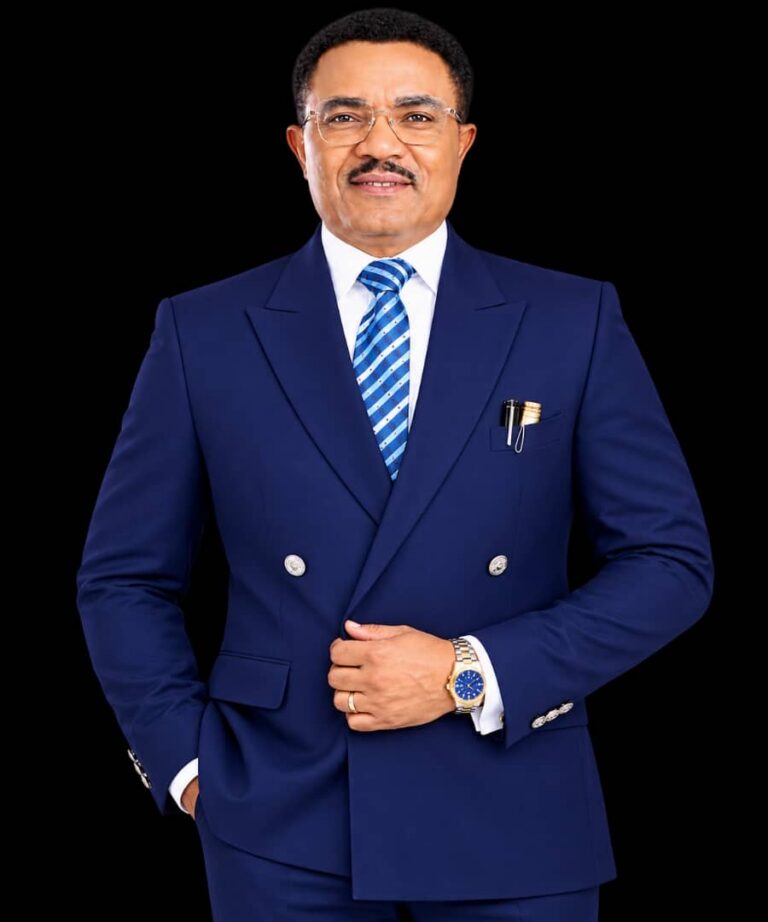
He is the quintessential newshound – a passionate, award-winning reporter and editor who has, for nearly four decades, made a name for himself writing and publishing tons and tons of exhaustive investigative and human interest stories.
Now, at 70, when many would naturally slow down or step away, Shola Oshunkeye, former Editor, Weekend Concord, former editor, The Spectator and former Managing Director, The Sun (Ghana), is still looking ahead. Not to retirement, but to more work.
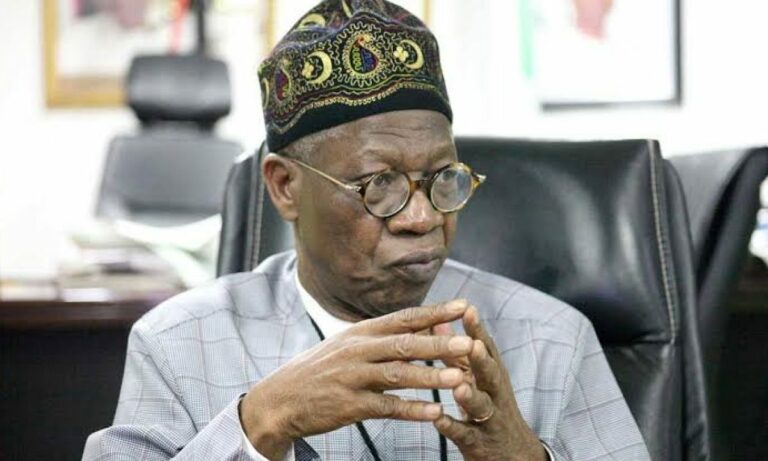
After 37 years of reporting across borders and speaking truth to power, he remains convinced that journalism is not just a profession, but a calling – one he says he would choose again without hesitation.
The 2006 CNN/Multichoice African Journalist of the Year speaks with the urgency of a man who believes the craft that shaped him is losing its footing. While he describes journalism as the “king of professions,” he warns that practitioners themselves are eroding its dignity through compromise and self-devaluation.
In this interview, Oshunkeye reflects on the evolution of Nigerian journalism, the risks and sacrifices that defined his era, and the growing shift away from investigative and human-interest reporting. He also speaks on the influence of media ownership, the need for journalists to reclaim professional value, and his forthcoming book — a collection of his most impactful stories.
You have described journalism in almost regal terms. Why do you believe it holds such a high status?
Journalism is king in the assembly of professions. Consider my own story: I am the son of a peasant, yet through journalism I have interviewed presidents, princes and princesses, governors, ministers, and interacted with them as friends. That elevation would hardly have been possible in any other calling.
Above all, it offers the opportunity to be of service to mankind. Journalism occupies that exalted position because it is the Fourth Estate of the Realm — the independent pillar that checks the three arms of government: the executive, legislature, and judiciary. It gives voice to the voiceless, holds power accountable on behalf of the people, exposes wrongdoing, and contributes to building an informed, orderly, and just society.
A society without credible journalism is a society in darkness, and darkness breeds chaos and confusion. When journalists do their work properly, through human-interest stories, investigative reporting, and speaking truth to power, they help create the conditions for good governance, peace, and the opportunity for every citizen to realise their potential.
If it is ‘king,’ why does it feel like the practitioners are often treated with so little respect today?
The answer lies in what we have allowed ourselves to become. When I say journalism is king, I mean it in its ideal form as the Fourth Estate that holds power accountable and shapes society. But today, many practitioners have unconsciously dethroned themselves through self-devaluation.
We have cheapened the profession. A mature, university-educated reporter is sometimes called a “press boy” by people who cannot even write their own names correctly, and some journalists accept it with a smile. You see colleagues at press conferences fawning, saying “sir, sir, sir” repeatedly, unable to look anyone in the eye or ask intelligent questions. Their comportment, dressing, and confidence are lacking. How can someone who cannot carry himself with dignity demand respect?
The disrespect also comes from economic pressures. Because of survival issues, some journalists accept brown envelopes after assignments, turning what should be professional engagement into a transactional hand-out. It is not like that in other professions. No one dares treat a doctor or lawyer that way after they have gone through the same level of education. People respect those professions because the practitioners respect themselves first.
How can journalism reclaim its place and relevance?
It starts with self-awareness and professionalism. Journalists must present themselves with confidence, competence, and integrity. Respect must be earned through conduct, quality of work, and adherence to ethical standards.
What drew you into journalism in the first place, and how did your journey begin?
The motivation was simple: the desire and compelling need to give voice to the voiceless and contribute to building a better society. Journalism provides a platform to hold government accountable, promote transparency, and support good governance
Before joining journalism, I had worked in the civil service, which is highly structured and predictable. I needed a different adventure. Journalism, on the other hand, is dynamic and unpredictable. You can wake up at any time and be on the move because news does not wait for anyone. It happens without notice.
That unpredictability is part of what makes journalism powerful. It gives practitioners the opportunity to respond to events in real time and make meaningful contributions to society.
Do you believe journalism today still upholds its core values of accountability and giving voice to the voiceless?
Yes, those values are still there. Journalism continues to play its role despite changing circumstances. However, the environment in which journalism is practised today is different.
It seems as though nose for news is not as strong as it used to be. Some journalists these days have lost the flair.
How would you rate Nigerian journalism today compared to when you started in the 1980s?
There is a whole world of difference between journalism then and now. The most obvious change is technology. It has significantly fast-tracked the processes of journalism. In those days, you had to physically move from one point to another to conduct interviews or gather information. Today, with tools like Zoom, WhatsApp, and other digital platforms, an interview can be conducted without physical contact. You can record on an iPad and access contacts instantly. In the past, we used bulky cassettes, midgets and other devices for recording, and the process of transcription and compiling reports was entirely manual.
Two or three decades ago, that level of technological penetration was not possible, at least not in this part of the world. So, in terms of speed and access, journalism has improved tremendously. The pace is faster, and information flows more freely.
However, while technology has improved efficiency, the question remains whether it has improved the quality of news. News is the heartbeat of journalism, and sometimes one wonders whether that essence is being preserved in today’s fast-paced environment.
What sacrifices defined journalism practice in that era?
When I joined journalism in the 1980s, things were more relaxed in some ways. I could leave Lagos at 8pm or 9pm and head to Ilorin or Benin without fear. But risks were still there.
For instance, while practising from Abuja, I once had an appointment with the Governor of Zamfara State. Due to delays, I ended up travelling by public transport late in the day. This meant travelling to Kaduna first, then to Gusau. I encountered an armed ambush on that journey. Despite that encounter, the assignment had to be done, and I still filed the story the next day. Today, unless one is extremely daring, one would not undertake that kind of risk.
Journalism demands total commitment. It requires giving everything to the profession. If a story breaks, you do not wait for formal approvals or logistics before acting. You move immediately to get the story. That often means sacrificing personal comfort and family time.
I remember once, I left my house to go to the office, but something happened in Sokoto and, because I had to chase the story, I found myself there without even telling my wife where I was until late that night. You have to “sleep it out” wherever the news takes you. You cannot stay in your comfort zone and expect the news to fetch you.
The risks involved are also part of the sacrifice, travelling through unsafe routes, working under pressure, and enduring uncertainty. Journalism is not a profession where one can sit in an office and expect news to come knocking. It requires going out, sometimes into difficult and dangerous environments.
What would you describe as your most defining moment in journalism?
It has to be the story in Niger Republic titled “Niger’s Graveyard of the Living.” I spent ten days there covering the horrific famine crisis. It was tragic; it exposed me to the deepest depths of human suffering, the worst I have seen in my life.
Over 200,000 people, mostly children, were lost to hunger induced by famine and drought. I remember the feeding centres, the massive crowds struggling for food, and people actually dying while queuing for a meal. That story took me around the world. It earned me the 2006 CNN/Multichoice African Journalist of the Year award. It led to fellowships at CNN’s headquarters in Atlanta and invitations from the U.S. State Department, as well as other benefits.
Other News
But the real fulfilment was not the awards. It was drawing the world’s attention to a calamity that was claiming lives in their thousands. My report also amplified Nigeria’s role as the single largest donor of food grains to Niger at the time, a contribution worth billions in today’s value. Being able to help humanity solve a problem is far more gratifying than any pecuniary gain.
What gives you the greatest sense of fulfilment in your career?
Fulfilment comes from making a difference. It is about contributing to solutions and helping humanity. For me, awards and recognition are secondary. The real satisfaction lies in knowing that a report has helped draw attention to a problem and possibly contributed to its resolution.
You are known for investigative and human-interest stories. Is that brand of journalism dying in Nigeria?
Unfortunately, our attention is now targeted almost exclusively towards politics. Human-interest stories — the ones that touch the core of human existence, are still everywhere, but the question is whether media organisations have the financial muscle to fund them.
Investigative journalism demands everything from you. When I was at TELL Magazine, the organisation could have a team of up to ten reporters working on a single impactful story. But investigative work is expensive. If a story breaks in another state, you have to cater for all the expenses of that reporter, including travel costs, accommodation, feeding, and local logistics, which may run into millions of naira. Now imagine doing the same for multiple reporters at the same time. That is a sacrifice. How many media houses today can comfortably handle such expenses?
How is media ownership influencing journalism practice in Nigeria today?
That is a sensitive question, but since you want the truth, I will speak plainly. Ownership influences what gets published and what does not. Many media owners have political or business interests that clash with independent journalism. However, journalists must also understand that they operate within a business environment.
Media organisations need revenue to survive. Advertising, partnerships, and other income streams are essential. That is why there are revenue-generation departments in media organisations. But revenue generation should never be tied to a story. At the same time, the integrity of journalism must not be compromised. The core product remains the story. Without credible and compelling news content, there is no journalism.
Tell us about your new book
It is a compendium of some of the most impactful stories and major interviews I have done over the years — from the 1980s to more recent times. I selected them carefully based on two main criteria: the impact they had at the time and their continued relevance today.
The book is also a way of preserving legacy stories. In the past, archival systems in many newsrooms were not strong, and great reports could easily get lost. This collection ensures that those stories remain accessible, not just for my family, but for anyone interested in journalism.
Beyond preservation, I believe it can serve as a teaching tool for younger journalists and useful material for researchers and mass communication students. When people read a good report, they should not only enjoy it but also learn from the craft. It shows journalism live and direct, rather than just theory in the classroom.
What does turning 70 mean to you?
Turning 70 means another landmark in the unending glory of God in my life. Not everyone born on April 20, 1956, is still alive today. Many of our contemporaries have passed on. But the Almighty, in His infinite mercy and kindness, has kept me alive, healthy, and still thriving.
So, I consider it a huge privilege and a blessing. I do not take anything for granted. Within the limits of what I can afford, I will express my gratitude to God, on the day of the celebration and afterwards in church.
On Monday, April 20th 2026, the day I turn 70, there will be a thanksgiving service in my home with close family and friends. As part of the activities, my family and I will visit a home for the visually impaired to spread love and show support. Thursday, 23 April is earmarked for the colloquium where we would discuss a very serious issue: “The Decline of Human Interest Journalism in Nigeria.”
Aare Dele Momodu, the Publisher of Ovation is the keynote speaker and the event will be chaired by the former Governor of Ogun State, Aremu Olusegun Osoba. Among the panel of discussants are veterans in the industry, including, Eze Anaba, the President of Nigerian Guild of Editors, Dr. Tony Onyima, Former MD of The Sun, Dotun Ladipo, Publisher of Eagle Online, among others. The venue is the Nigerian Institute of Journalism (NIJ), Ogba, Lagos.
At this stage, what keeps you motivated to remain active in journalism and public discourse?
The motivation remains the same: the desire to serve humanity, speak truth to power, and contribute to good governance. There is still work to be done in making society better, and journalism provides a platform to be part of that process.
Family is a very important element in the life of a man. What role has family played in your journey?
It is a very important question. Journalism takes you away from home most of the time, and as a family man, that can be very challenging, especially with young children. You are always on the road, flying, driving, moving from one assignment to another across the country.
I must say I am a successful journalist today largely because of the tremendous emotional support from my family. I give a lot of kudos to my lovely wife, Funsho. She endured a lot, handling the home front while I was away on assignments. She has been a solid pillar of support for all the 45 years we have been married.
My children are also my pillars. Whenever I travelled, they supported me with prayers and gave me the emotional and mental balance I needed to focus on my work. They understood that I was doing it for them as well. But that does not mean I should take them for granted. We are all human beings who need love, attention, and companionship.
If you could live your life all over again, would you still choose this path?
Sure, I would pick journalism. I cannot envisage anything more fulfilling. I have experienced both the federal service and journalism, and I would not give this up. I would only approach it in a less exerting way and learn to place proper value on my expertise.
By “placing value,” do you mean money? Where do journalists draw the line between professionalism, ethics, and fair compensation?
Placing value on your expertise, including proper financial compensation, is a serious issue in our profession today. How can a trained university graduate go through an assignment and then accept a mere hand-out as payment?
Journalists are meant to be treated as professionals. Governments and organisations invite them, seek their opinions, and respect their contributions because they are part of the democratic process.
It is not for fun that journalism is called the Fourth Estate of the Realm. But over time, because of economic pressures, many practitioners have devalued themselves.
You cannot walk into a clinic, receive treatment, and leave without paying. The same applies to lawyers. Yet some people treat journalists differently. That must change.
Professionalism and ethics demand that we remain truthful, balanced, and independent. But that does not mean we should undervalue our labour. When we respect ourselves and present ourselves with dignity and confidence, society will respond accordingly.
After the book, what lies ahead for Shola Oshunkeye?
I will continue to report. I am not retiring. As long as my mind remains sharp, I will keep doing what I love.
There are plans in the pipeline that should materialise shortly after my birthday. I hope to bring in additional hands so I can step back from the rigours of doing everything myself and focus on more strategic, less exerting work.
The idea of retirement as a complete stop does not appeal to me. I will remain engaged for as long as God gives me strength.