Follow Us on Google

• Ohanaeze, Afenifere, Atiku, SAN condemn National Assembly for not giving states more powers
 From Iheancho Nwosu, Abuja, Chinelo Obogo and Lukmon Olabiyi, Lagos
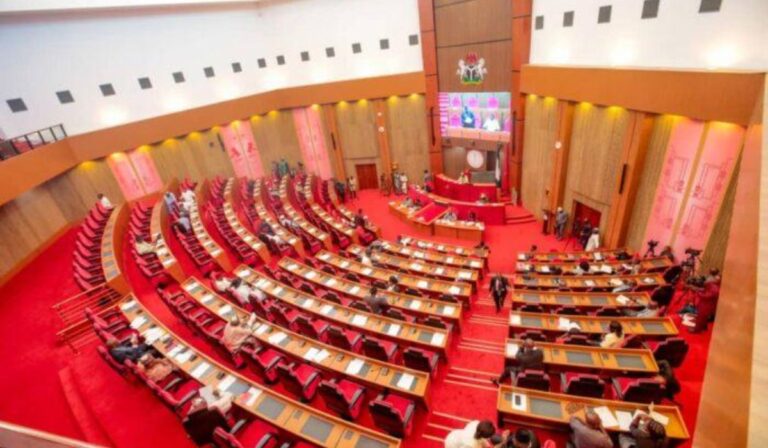
The Senate and the House of Representatives have come under severe attack over their decision to kill the Devolution of Powers Amendment Bill in the ongoing consideration of amendments to the 1999 constitution.
The red chamber had rejected it with 90 votes against five on Wednesday. Though the bill got overwhelming endorsement with 210 votes for and 71 against, at the House yesterday, the amendment did not scale through as the ‘yes’ votes fell short of the constitutionally required 240 (two-third majority) threshold.
In separate reactions, yesterday, former vice president, Atiku Abubakar, Senior Advocate of Nigeria, Seyi Sowemimo, Ohanaeze and Afenifere were unanimous in their condemnation of the National Assembly for killing the bill which sought to alter the Second Schedule, Part I & II to move certain items to the Concurrent Legislative List to give more legislative powers to states.
The Bill was also intended to delineate the extent to which the federal legislature and state assemblies could legislate on the items that have been moved to the Concurrent Legislative List.
Political commentators said the bill would have formed the crux of restructuring of the polity, which lately has garnered widespread support and endorsement.
Former vice president Atiku and APC chieftain described the decision of the APC-led National Assembly to block the passage of the bill as shocking and saddening, in a statement released by his media office in Abuja
He said by that decision, the APC has lost a rare opportunity to honor one of its election promises to bring about change by shifting power closer to the people in the remotest regions of the country.
“This blockage of the Bill by an APC-led Senate majority is a betrayal of our party’s pre-election promises. It was an important vote and I’m shocked by some so-called progressives’ visceral and cynical opposition to restructuring.”
The Waziri of Adamawa decried the reluctance of democratically elected lawmakers to remove the insidious structural impediments to development, which decades of military rule had hoisted upon the nation.
According to him, instead of building the foundations for a true federation, a small group of so-called progressive senators decided to stick with the new party line, pretending they did not know what restructuring was all about, and that even if they knew, it could not be done.
“I think this is disingenuous. And I think it is a sad day for our party. But I’m confident the APC will learn the right lesson from this self-inflicted defeat, and remember the mission and mandate given to us by the people,” he said.
He also expressed hope that the lawmakers would find the courage to stand by what is right, and not by what serves their personal vanities and political interests.
“Let me be clear: Restructuring is no panacea to all our nation’s problems. But devolving resources and responsibilities from an overbearing, unresponsive, and ineffective Federal Government to the states is the first step we must make if we are serious about putting our nation back on track, and our people back to work,” he said.
Like Atiku, Sowemimo said rejection of the Bill was a misplaced priority.
According to Sowemimo, ongoing constitution amendment exercise presented the National Assembly a golden opportunity to put the country in the right direction.
“Instead of utilising the opportunity, they threw it away. They missed a golden opportunity of writing their names in the sky by passing the bill. The National Assembly did not gets their priority right, the bill they rejected is the most important bill the country needed right now; other bill passed have no meaning to the masses. The current situation of the country is as a result of the necessity of the bill they rejected,” he stated.
However, the Afenifere spokesperson, Yinka Odumakin, described the rejection of devolution of powers by the National Assembly as an exercise in futility.
“The constitution review voted upon by the National Assembly is an exercise in futility as it fails to address the fundamentals. They have majored in minors while rejecting the critical issues of federalism or avoiding it totally. They have confirmed the fears that nationhood cannot be addressed through NASS. They have only put Nigeria on the road to auto-restructuring,” he said.
President General of Ohanaeze, Chief John Nnia Nwodo in a statement, said it was disappointing and disheartening that, as representatives of the people, the legislatures were unable to correctly gauge the mood and desires of their people and the nation.
Nwodo, a former minister of information stated that Ohanaeze had expected that NASS would amend the constitution in line with the yearnings of majority of Nigerians.
“The barrage of voices in this country lately shows clearly that majority of Nigerians are desirous of the country running a true federal system and one expected the Senate to have appreciated this in all their actions especially in constitutional amendment.”
The Ndigbo umbrella body reasoned that the National Assembly, rather than foray into constitutional amendment at this time that the mood of the country was tuned towards total restructuring, should have concerned themselves in making the necessary legislative enactment to empower the convening of a national conference for real constitutional drafting.
According to Ohanaeze, “any action, whether legislative or executive in this country today that is not programmed to respond to the yearnings of the populace, will amount to excise in futility.”
The Ohanaeze chieftain told the National Assembly and other legislative levels involved in the constitutional amendment in the country to put the interest of the country first and ensure that its actions were such that would help to douse the tension and stabilise the country.
He said the Igbo body expected the Senate, after accepting to consider the 2014 Confab report to put it into consideration before passing their constitutional amendment bills.