Follow Us on Google
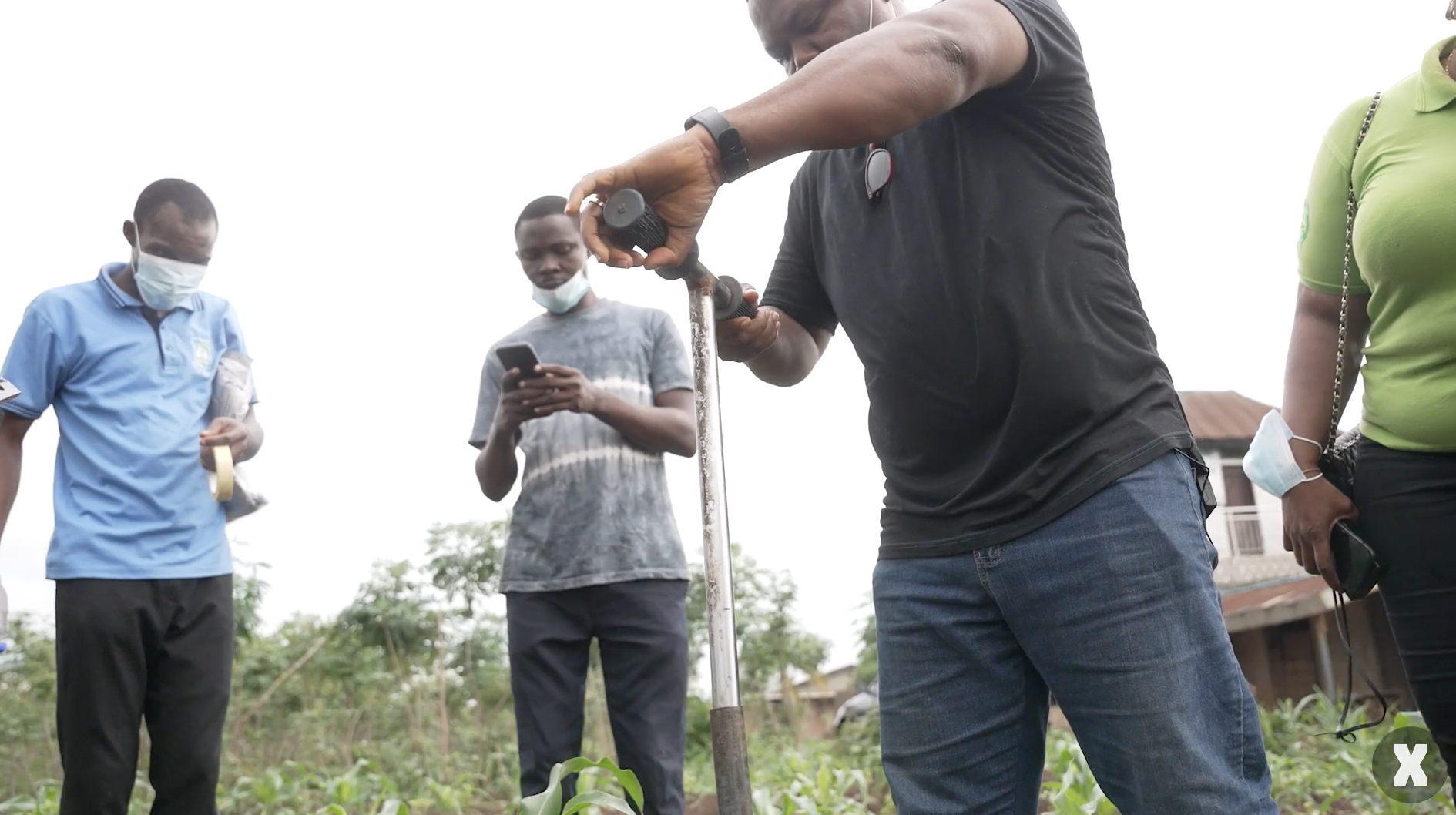
Orders urgent clean-up, medical attention for victims
____________________
From Adesuwa Tsan, Abuja
In response to widespread lead poisoning in Ogijo community, Ogun State, the Senate has summoned the Ministers of Environment, Health, Solid Minerals Development, Labour and Employment, and the Director-General of the National Environmental Standards and Regulations Enforcement Agency (NESREA) to brief its Committee on Environment on the Federal Government’s clean-up strategy and timelines.
This follows the adoption of a motion by Senators Tokunbo Abiru and Gbenga Daniel, which detailed findings on toxic contamination in the industrial cluster—including the shutdown of seven used lead-acid battery recycling factories by the Federal Government and a halt to lead ingot exportation pending safety investigations.
Abiru, leading the debate, said scientific tests had confirmed “an outbreak of lead poisoning on a frightening scale,” with residents—especially women, children, and factory workers—recording blood-lead levels far above global safety thresholds. Some environmental samples were found to be 186 times the maximum permissible limit.
Symptoms such as persistent headaches, abdominal pain, memory loss, seizures, cognitive decline, and developmental delays in children were recorded for years, but community complaints went ignored while toxic fumes continued to be released into homes, schools, and markets.
“Nigeria’s poisoned lead has found its way into global production lines, while our own children inhale the dust,” Abiru said.
Senators were further alarmed by investigations by The Examination and The New York Times, which traced contaminated Nigerian lead into global supply chains, linking Ogijo to international battery manufacturers serving major automakers.
Other News
Concerns over regulatory failures were raised, with extreme community exposure and weak accountability despite some operators’ denials.
Citing Sections 14(2)(b) and 20 of the 1999 Constitution, the Senate asserted the government’s duty to protect life and ensure a clean, safe environment for all citizens.
Lagos and Ogun State Governments were commended for early interventions, as was the Federal Government for initial shutdowns and investigations. The Senate urged a broader enforcement effort: closure of non-compliant factories, prosecution of violators, and stronger industrial safety monitoring.
The Ministry of Health was mandated, via the NCDC, to deploy emergency medical teams to Ogijo for free toxicology screening, blood-lead management, chelation therapy, and ongoing care for affected children and adults.
The Ministry of Environment and NESREA were directed to conduct full-scale environmental remediation and contamination mapping (soil, groundwater, air, household dust).
The Ministry of Solid Minerals Development must enforce strict operational standards nationwide for battery recycling, while NEMA is to provide relief, protective kits, clean water, food, and temporary relocation for families in heavily polluted zones.
To ensure coordinated action, the Senate recommended a National Lead Poisoning Response and Remediation Task Force within NEMA, and the Committee on Legislative Compliance was charged with monitoring implementation and reporting back in six weeks.
Many senators called the lead pollution a “grave public health and environmental catastrophe” affecting thousands.