Follow Us on Google
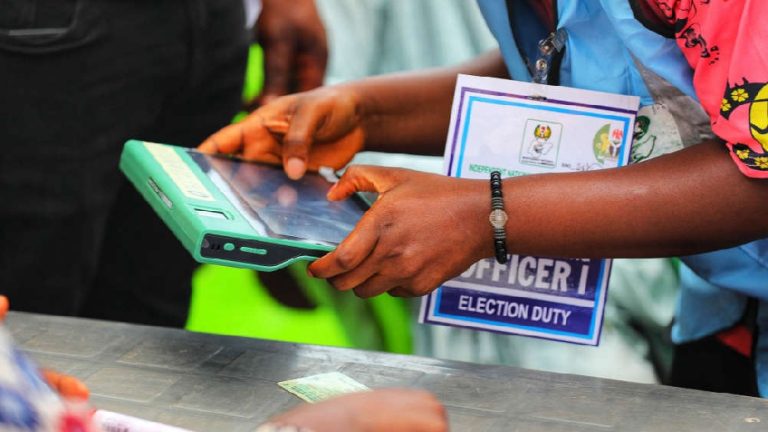
•Rejects increased penalty for vote buying to 10 year ban in political activities, adopts increased fine from N500, 000 to N5m •Replaces smart card with BVAS, retain electronic transmission of results
From Adesuwa Tsan, Abuja
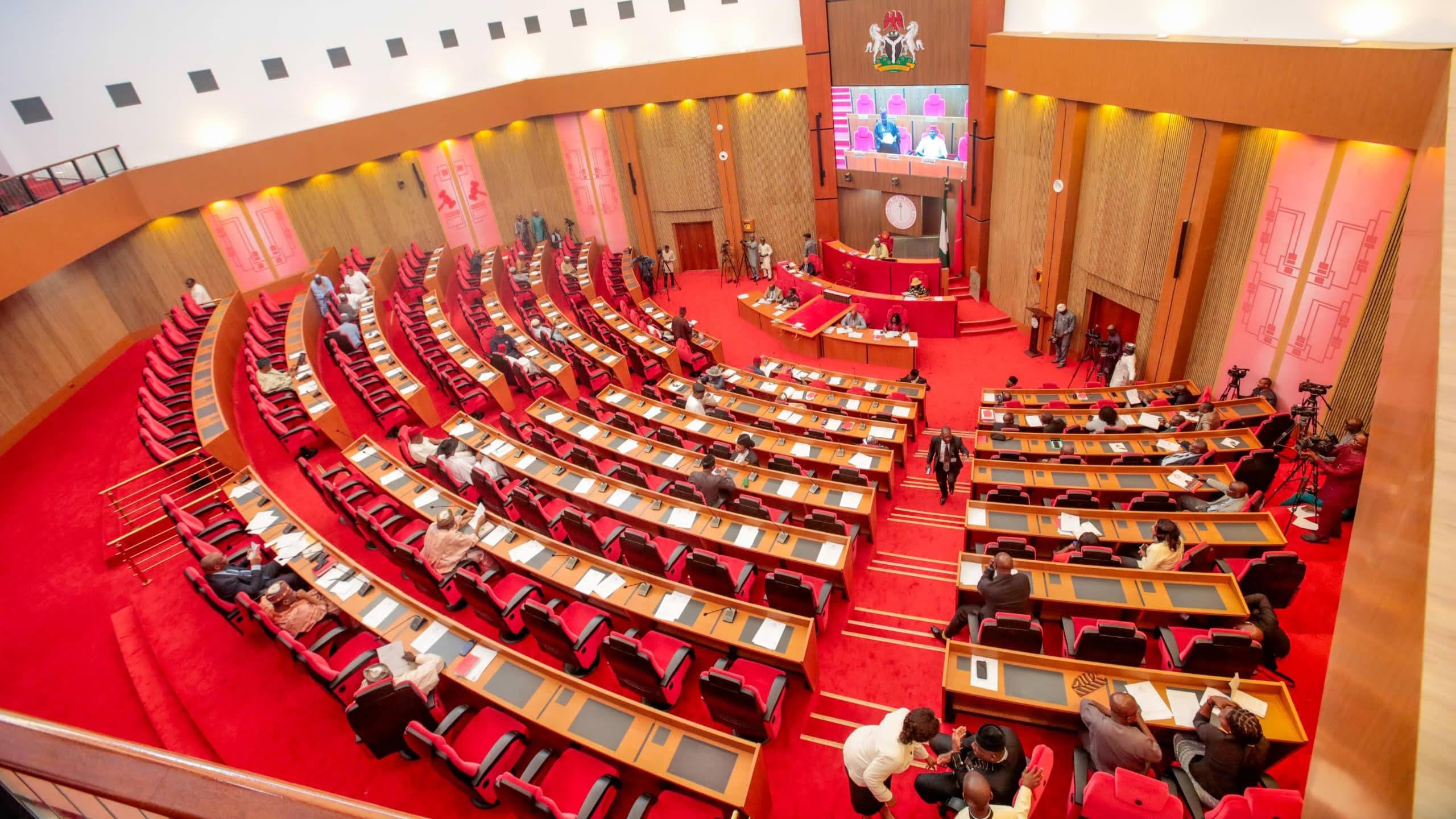
The Senate has rejected an amendment to make it mandatory for election results to be transmitted electronically in real time from polling units to the IREV portal. Instead, it retained the provision in the 2022 Act which does not specifically provide that the results should be sent to the collation Centre.
In other sweeping amendments adopted during the consideration of the Electoral Act amendment bill in the Committee of the Whole yesterday and passed for third reading, the senators also moved for the reduction of the election notice deadline from 360 days before the end of the current administration’s tenure to 180 days.
Similarly, the deadline for submission of candidates’ lists by political parties was cut from 120 to 90 days.
The Red chamber also cut down the deadline for nomination of candidates by political parties from 180 to 90 days, rejected a 10-year jail term for electoral offenders, increased fine for vote buying and possession of other people’s voters cards to N5 million and deleted smart cards which were replaced with BVAS. It, however, retained electronic transmission of results.
Section 60 as recommended by the committee reads: “The presiding officer shall, after counting the votes at the polling unit, enter the votes scored by each candidate in a form to be prescribed by the Commission.
“The form shall be signed and stamped by the presiding officer and countersigned by the candidates or their polling agents where available at the polling unit.
“The presiding officer shall electronically transmit the results from each polling unit to IREV portal in real time and such transmission shall be done after the prescribed Form EC8A has been signed and stamped by the presiding officer and/or countersigned by the candidates or polling agents where available at the polling unit.
“The presiding officer shall count and announce the result at the polling unit.
“The presiding officer shall transmit the results, including total number of accredited voters to the next level of collation.
“A presiding officer, who wilfully contravenes any provision of this clause commits an offence and is liable on conviction to a fine of not less than N500,000 and imprisonment for a term of not less than six months or both.”
But the amendment was not adopted. Instead, the 2022 version was retained. It reads: “The presiding officer shall, after counting the votes at the polling unit, enter the votes scored by each candidate in a form to be prescribed by the commission as the case may be.
Other News
“The form shall be signed and stamped by the presiding officer and counter signed by the candidates or their polling agents where available at the polling unit.
“The presiding officer shall give to the polling agents and the police officer where available a copy each of the completed forms after it has been duly signed as provided under subsection (2).
“The presiding officer shall count and announce the result at the polling unit.
“The presiding officer shall transfer the result, including total number of accredited voters and the results of the ballot in a manner as prescribed by the Commission.
“A presiding officer who wilfully contravenes any provision of this section commits an offence and is liable on conviction to a fine not more than N500,000 or imprisonment for a term of at least six months.”
Speaking on the provision, Senate President Godswill Akpabio denied that the Senate “rejected electronic transmission of results,” saying it retained what was already in the Act. “It is in our interest as participants in this election for that to be retained,” he stated, adding that social media reports are false. “That is not true,” he said. “What we did was to retain the electronic transmission that existed in the 2022 Act. Retaining that provision means electronic transmission remains part of our law.”
Similarly, the Senate spokesman, Yemi Adaramodu, when responding to whether the lawmakers approved the real time transmission of election results from polling units to IREV, said: “ Who determines real-time? The issue of determination of realtime should not be based on semantics. It is going to be transmitted electronically to the people that are supposed (to see it), which are the electorates. You are going to access it electronically.”
When challenged that the Senate has made it subject to the determination of INEC to transmit electronically in real time or not, he replied, “once we have made it mandatory, it is no longer left in their hands.”
He reiterated, “There is no difference between what is in the amendment recommendation and what was adopted.”
Another key amendment carried is the mandatory rerun for elections where the winner was disqualified for fraud. Rather than the tribunal declaring the candidate with the next highest vote winner or the sponsoring party replacing him or her, INEC will conduct another election with the disqualified candidate and party excluded.
Akpabio, thereafter, announced the composition of a conference committee to harmonise the Senate’s version of the bill with the one earlier passed by the House of Representatives. The committee will be chaired by Simon Lalong, with Adamu Aliero, Orji Uzor Kalu, Abba Moro, Asuquo Ekpeyong, Aminu Iya Abbas and Tokunbo Abiru and Adeniyi Adegbomire as members.
Akpabio said the harmonisation committee had been mandated to conclude its work within the month to enable the National Assembly transmit a final version of the bill to the President for assent. The Senate, thereafter, adjourned plenary to February 24 to allow them focus on the consideration of the 2026 budget.