Follow Us on Google
From Kenneth Udeh , Abuja
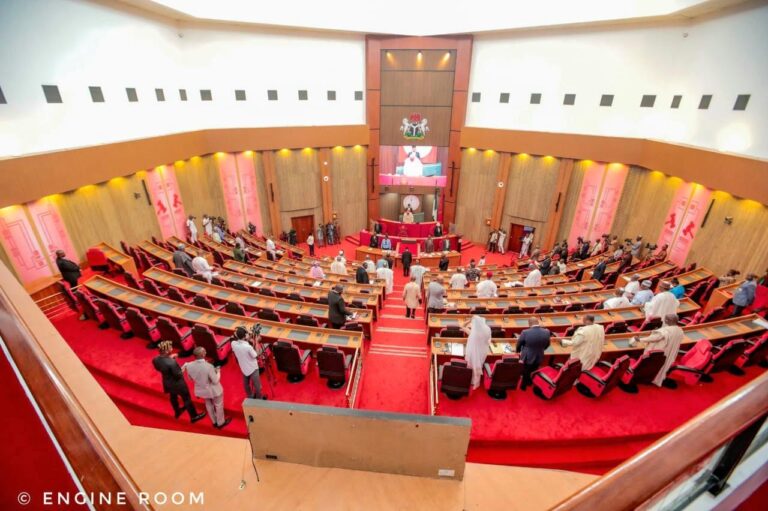
The Managing Director and Chief Executive Officer of the South East Development Commission (SEDC), Mark Okoye, yesterday, defended the Commission’s financial management and expenditure profile as members of the Senate Committee on the South East Development Commission subjected its financial records to intense scrutiny during an investigative oversight session in Abuja.
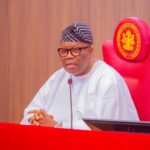
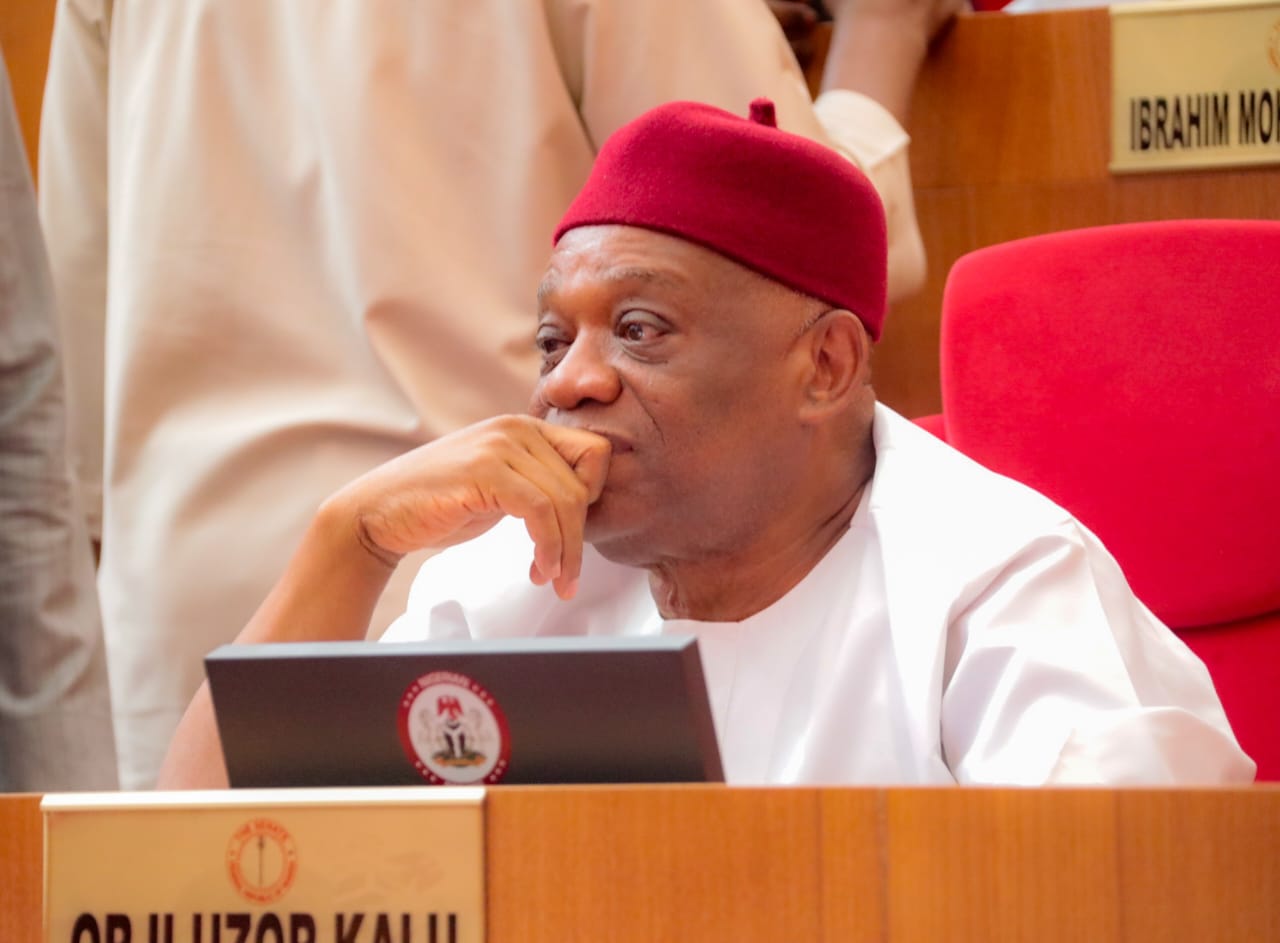
The Committee, chaired by Orji Uzor Kalu, expressed dissatisfaction with aspects of the financial report presented by the Commission, particularly a reported N153 million expenditure on a liaison office in Abuja and N2.5 billion classified as ‘implied expenditure.’
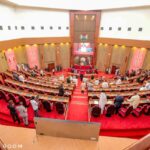
The hearing, convened as part of the Committee’s constitutional oversight responsibilities, was aimed at reviewing the Commission’s utilisation of funds released from the 2025 budget and assessing the implementation of its programmes and projects across the South-East region.
Tension arose during the session, when lawmakers questioned discrepancies and what they described as insufficient explanations regarding expenditures made from the N16.6 billion so far released to the Commission by the Federal Government.
Members of the Committee insisted that available records indicated that approximately N3.6 billion had already been spent from the funds released, demanding detailed explanations on how the money was utilised.
Addressing the Commission’s management, Senator Kalu said the financial report submitted to the Committee fell short of expectations.
“This committee is disappointed with the financial report given, which is completely unacceptable,” Kalu declared.
The former Abia State governor also disclosed that information obtained from the Central Bank of Nigeria indicated that about N13 billion remained in the Commission’s accounts from the N16.6 billion received in December, making it imperative for the management to provide a comprehensive account of the expenditure already incurred.
He said: “We are not satisfied with your job. This is not a job somebody that claims to be an expert like you, should be doing. I am very disappointed and this committee is equally disappointed.”
Kalu subsequently directed the Commission’s management to return with more detailed documentation and explanations regarding its financial activities.
Other lawmakers, including Enyinnaya Abaribe, Victor Umeh and Austin Akobundu, also raised concerns over the presentation and accounting framework adopted by the Commission.
Abaribe specifically questioned figures contained in the report, noting apparent inconsistencies regarding budget performance and expenditure records.
Despite the criticism, Okoye maintained that the Commission remained committed to transparency, fiscal discipline and accountability, stressing that the agency was still in the process of building its operational structures as a newly established institution.
According to him, the Commission had earlier requested additional time to compile and organise the extensive documentation sought by the Committee.
“The first thing I said when I mounted the podium to address the Senate Committee on SEDC is that everything surrounding the meeting is in line with their statutory function and we always commend them for exercising that oversight function,” he said.
He explained that the Commission was simultaneously establishing administrative systems, recruiting personnel and implementing development programmes demanded by citizens of the South-East.
Other News
He said: “We are trying to build a brand-new institution. We are trying to build up the different systems and departments we need to run successfully, but at the same time, we are also trying to execute programmes and projects because the people in the South-East are impatient for development.”
Responding to questions surrounding the N153 million office expenditure, the SEDC boss explained that the Commission deliberately avoided leasing large office spaces that could ultimately become redundant.
According to him, a permanent office facility provided by the Enugu State Government is currently undergoing renovation and is expected to be ready for occupation by August.
He argued that renting multiple office floors, while simultaneously preparing a permanent headquarters, would amount to wasteful spending of public resources.
“We don’t want to expend hard-earned public resources on two assets at the same time,” he said.
He also linked the Commission’s cautious recruitment process to the ongoing office development, insisting that staff would only be employed when adequate office facilities are available to ensure effective supervision and accountability.
On the controversial N2.5 billion categorised as ‘implied expenditure,’ the Managing Director clarified that the term referred to budgetary provisions reserved for priority projects pending procurement processes and final contract awards.
According to him, the approach was designed to prevent the Commission from committing to projects without guaranteed funding.
“What we don’t want to do is create a situation where you award contracts and you cannot pay,” he explained.
He added that the Commission was following fiscal guidelines provided by the Federal Ministry of Finance and the Federal Ministry of Regional Development to avoid accumulating unfunded liabilities that could burden future administrations.
He assured the lawmakers that all requested records and supporting documents would be submitted within two weeks.
“We will provide all the documentation for them,” he said.
The hearing followed an earlier summons by the Committee, which demanded comprehensive details of all projects, programmes, interventions and contracts undertaken by the Commission, including their locations, procurement procedures, costs and implementation status.
The lawmakers also requested records relating to local and foreign trips, conferences, workshops, retreats and stakeholder engagements, involving members of the board, management and staff.
The Committee emphasised that its investigation was intended to ensure transparency, accountability and prudent management of public resources entrusted to the Commission.
The outcome of the ongoing probe is expected to address growing public concerns about the performance of the South East Development Commission and determine whether funds released by the Federal Government have been effectively deployed to advance development across the region.
For now, while senators insist that significant questions remain unanswered regarding the Commission’s expenditure profile, the SEDC management maintains that all spending decisions were guided by fiscal prudence and that comprehensive documentation would be presented to the Committee at its next sitting.