Follow Us on Google
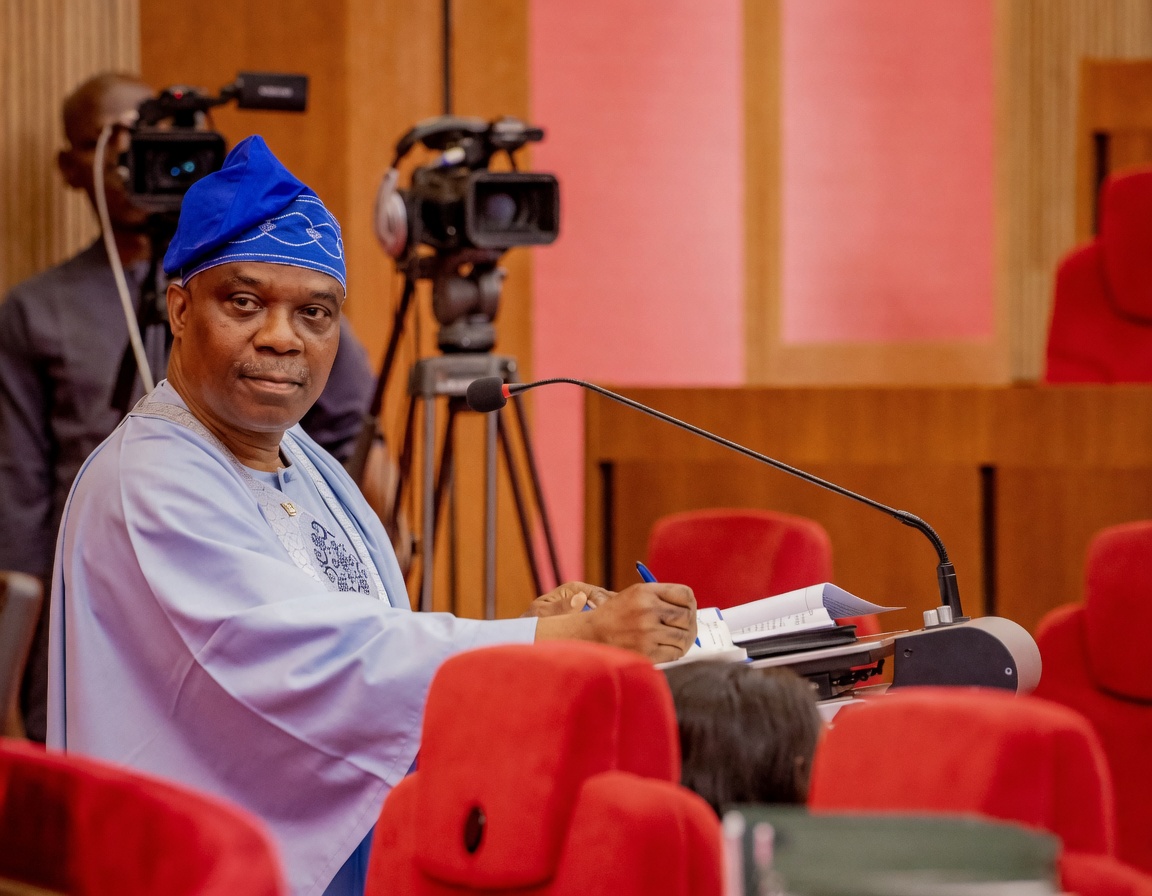
• Confirms Enikanolaiye as minister
• Pledges decisive action against attacks on Nigerians abroad
• Seeks AU intervention, reciprocity in diplomatic relations
• Flags funding crisis in missions, proposes PPP for idle assets
From Adesuwa Tsan, Abuja
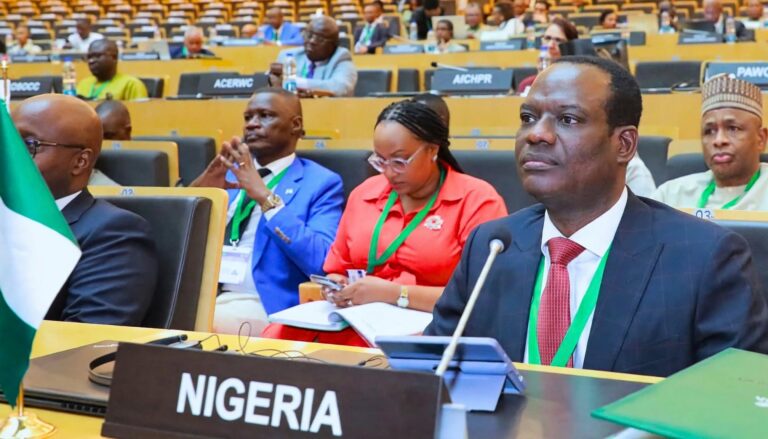
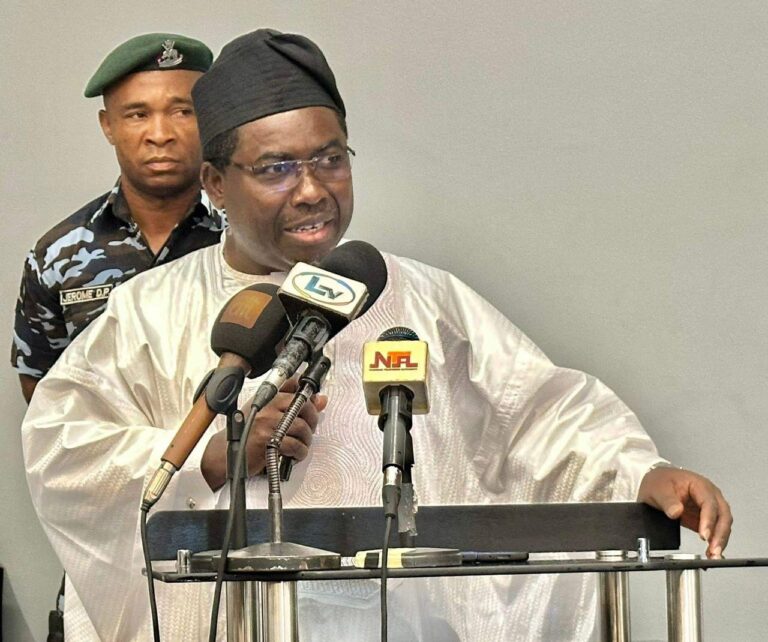
The Senate has confirmed Ambassador Sola Enikanolaiye as Minister of Foreign Affairs, demanding a shift towards a firmer and more results-driven foreign policy focused on protecting Nigerians abroad and strengthening the country’s global influence.
The approval followed his screening at plenary presided over by Senate President Godswill Akpabio, where lawmakers stressed the need to move away from what they described as years of weak and passive diplomacy.
During the session, Enikanolaiye said Nigeria must go beyond routine condemnations when its citizens are attacked in foreign countries, particularly in parts of Africa.
“The solution to any issue is not to kill people in barbarous attacks. We will move beyond condemnation,” he said.
His remarks come amid rising concerns over the treatment of Nigerians in countries such as South Africa and Ghana, where incidents of harassment, violence and restrictive policies have strained relations.
The minister-designate said Nigeria’s foreign policy would now rest on firmness, reciprocity and clear results, rather than mere rhetoric.
“Diplomacy is not just about words. It also involves body language and the ability to demonstrate that a country has options. We must begin to act in ways that command respect,” he stated.
As part of this approach, he proposed escalating the issue of attacks on Nigerians to the African Union, noting that the problem has gone beyond isolated cases.
“What is happening goes beyond isolated cases of xenophobia. It is something more expansive that demands coordinated intervention at the African level,” he said.
He added that Nigeria would adopt a multi-layered strategy, including direct engagement at the presidential level, parliamentary diplomacy and multilateral pressure, to ensure countries are held accountable.
Enikanolaiye also stressed that foreign policy must directly benefit Nigerians.
“Our foreign policy must impact the lives of Nigerians. It should create opportunities and also guarantee their safety wherever they are,” he said.
On the challenges facing Nigeria’s missions abroad, he pointed to chronic underfunding and delays in budget releases.
“There is always a mismatch between what is approved and what is eventually released. This has serious implications for our operations abroad,” he noted.
Other News
He said the funding gaps have led to unpaid salaries for local staff, difficulty in meeting obligations, and disruptions to the welfare of diplomats and their families, including their children’s education.
Describing the situation as systemic, he blamed the budgetary envelope system for failing to reflect the realities of Nigeria’s global commitments.
Enikanolaiye also revealed that Nigeria owns more than 500 properties worldwide, many of which are either abandoned or underutilised.
“We have more than 500 government-owned properties abroad, and a significant number of them are not being optimally utilised,” he said.
To address this, he proposed using a public-private partnership model to unlock the value of the assets and generate steady funding for Nigeria’s missions.
“That is one viable way to ensure consistent funding for our foreign missions,” he added, noting that the plan already has Federal Executive Council approval but needs urgent implementation.
Citing past experience, he said firm diplomatic engagement has delivered results before, including in India, where Nigeria secured designated law enforcement contacts in areas with large Nigerian populations.
“When we engage at the highest levels and remain firm, we get results. That is the approach we must institutionalise,” he said.
He acknowledged that while Nigeria has agreements with South Africa, weak enforcement has limited their impact. He also raised concerns about Ghana’s regulatory policies, especially those imposing heavy financial requirements on foreign business owners.
Senators, in their contributions, expressed concern over the treatment of Nigerians abroad and called for a foreign policy that protects citizens and upholds national dignity.
They also highlighted challenges facing Nigerian missions, including lack of operational vehicles, poorly maintained properties and bureaucratic delays in managing assets.
Lawmakers further raised concerns about Nigeria’s visa policy, warning that difficulties faced by foreigners could affect diplomatic and economic relations.
By the end of the screening, the session had moved beyond a routine exercise to a broader discussion on reforming Nigeria’s foreign policy.
Several senators expressed confidence in Enikanolaiye’s ability to lead that change.
“This is a round peg in a round hole,” one senator said.