Follow Us on Google
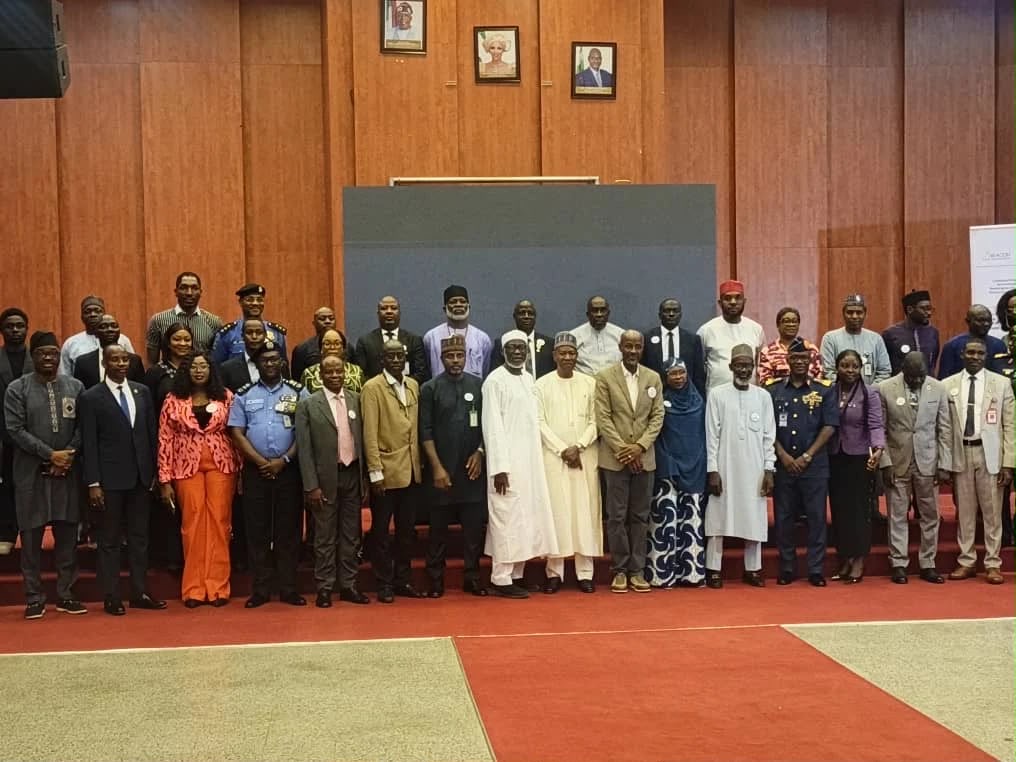
The Institute for Peace and Conflict Resolution (IPCR) has moved to address the growing challenge of ethnic stereotyping and profiling in Nigeria with the development of new toolkits aimed at guiding media and security institutions on responsible communication.
The Director General of IPCR, Joseph Ochogwu, said the Anti-Ethnic Stereotyping and Profiling Toolkits for Media and Security would play a crucial role in tackling issues capable of undermining peace, security and national development.
Ochogwu stated this on Wednesday during an expert validation meeting on the toolkits held at the IPCR headquarters in Abuja.
Represented by Gerald Okafor, Director of Internal Conflict Prevention and Resolution, the IPCR boss described the initiative as a strategic step towards reducing tensions linked to harmful narratives and promoting a more inclusive society.
He said the validation exercise was important in strengthening peacebuilding efforts and improving communication practices among stakeholders.
The IPCR DG commended Beacon Security and Intelligence Limited and the WhiteInk Institute for Strategy Education and Research for their role in developing the toolkits.
Also speaking at the event, Brigadier General Saleh Bala (retd), President and Founder of the WhiteInk Institute for Strategy Education and Research, said the initiative was designed to address the impact of language and narratives on security and social relations.
Bala warned that the words used by media organisations, security agencies and public institutions could either encourage unity or deepen divisions among communities.
He noted that Nigeria’s diversity required greater responsibility in reporting issues relating to ethnicity, religion, conflict and security, especially with the rapid spread of information on social media platforms.
According to him, stereotypes and ethnic profiling can influence public perception, create mistrust and affect relationships between different groups.
The Managing Director of Beacon Security and Intelligence Limited, Kabiru Adamu, said the development of the toolkits was based on the understanding that language does not only describe events but also shapes public perception and responses.
He added that communication by security agencies, policymakers and the media could influence intelligence gathering, policy decisions and efforts to prevent conflict.
The validation meeting brought together representatives from security agencies, the armed forces, intelligence institutions, media organisations, academics, civil society groups and development partners to review the toolkits ahead of their official launch.