Follow Us on Google
By Henry Uche
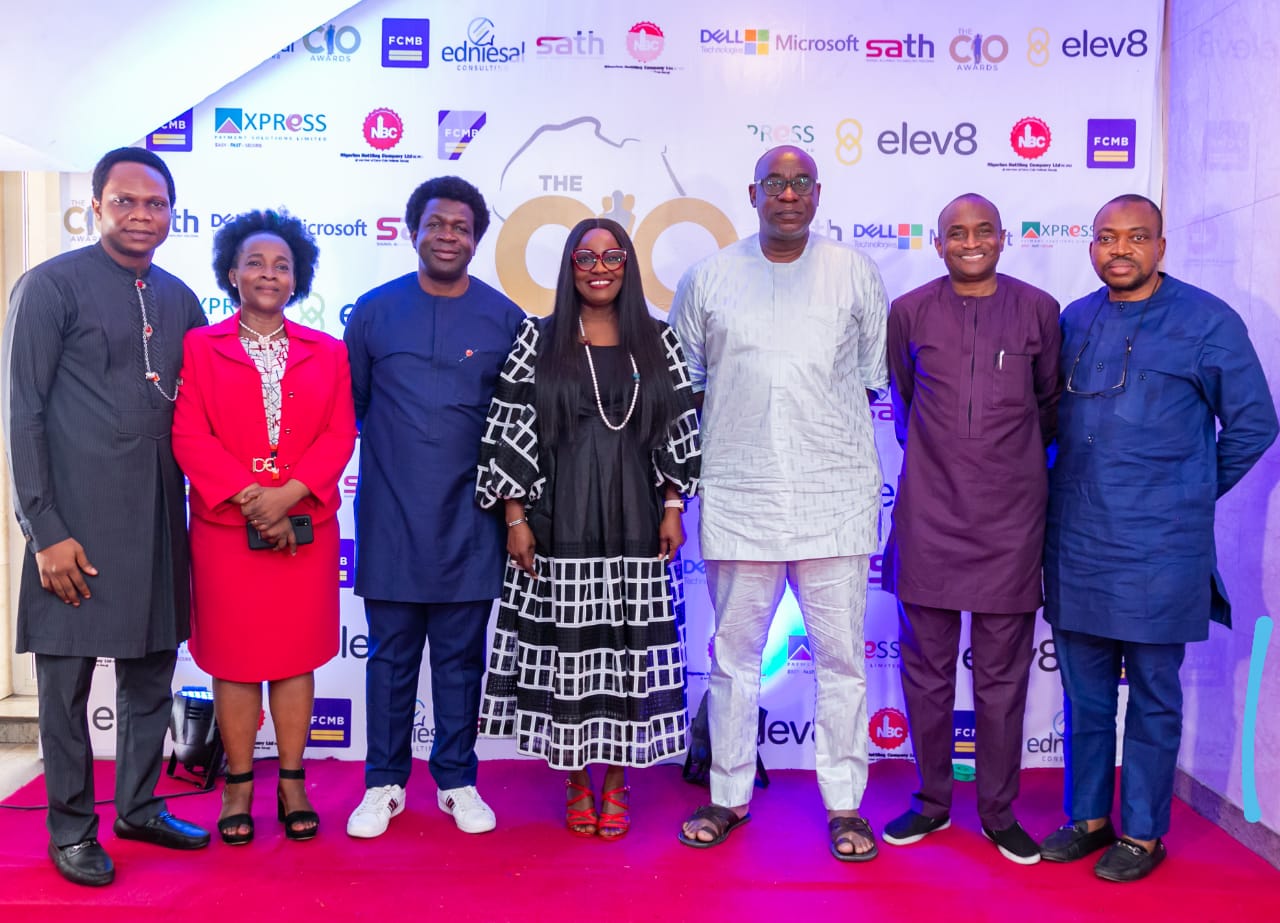
Experts in the digital space have affirmed that every sector of Nigerian economy needs at least a 5 to 10 years substantial investment budget plan to transform Nigerian economy using digital technologies as other developed countries have done. This was the position of digital experts, economists and ICT professionals at a digital summit held in Lagos by the Chief Information Officer (CIO) club.
According to the Head-Clients Technology (financial services & industry) for Microsoft Africa, Mr. Wole Odeleye, despite the huge financial requirement to fully explore digitisation, there are other cost implications and risks involved.
“The benefits of full digitalisation are that it would lead to better customers experience, data -based insight, encourage collaboration, updated knowledge and skills sets, while the costs are but limited to: mergers and acquisitions, partnership, divestment and restructuring,”
Odeleye listed the risks associated with digitalisation to include, ineffective digital transformation premises, missing the skills for products deployment, attempting to transform alone, not having digital transfer experts and mentors, and not proving the value from the start and more which can squash the goal of moving digitally.
He added that if Nigeria must journey to the cloud, it must define its socio-economic culture, show readiness, define cloud fit for the purpose, set priorities and be ready to manage change, noting that life in the Cloud was all about optimisation, modernisation, agility, flexibility and intelligence.
According to him, looking at the future of a digital transformation of any economy, one need to set one’s mind on hybrid working and connectedness, metaverse, internet of things, responsible Artificial Intelligence (AI), Data democratisation, Citizen developer, cloud optimisation, end to end security, intelligence infrastructure and support among others.
On his part, the an IT expert, Dada Olusegun from IT HORIZONS, said Nigeria would be need big data analytic (which has been a challenge for Nigeria), machine learning and deep learning, Robots and Drones, 5G wireless network among others technologies if we must get there.
“We need to position ourselves by designing digital transformation and innovative Strategy, engage digital natives, invest in technology and skills required to power economy, then find trusted partners to drive it in real time,”
He maintained that digital transformation is a function of knowledge economy, thus, to advance in a hyper- digital world, Nigeria needs the right Tech and skills to embrace the inevitable change.
Speaking also, the Chief Information Officer of Nigeria Inter-Bank Settlement System Plc (NIBSS) Olufemi Sojinrin, said the major pillars of digital economy are: hyper connectivity, cellular & internet Infrastructure, research and development as well as advance computing and analytics.
He urged government across board to remove every encumbrances inhibiting Nigeria from exploring the digital world maximally.
“The key macroeconomic indicators for a successful economy can be seen in the country’s high economic productivity which reflects in the GDP in percentage, unemployment rate, per capita income.
“Otthers include: a healthy balance sheet which is reflected in the fiscal and monetary performances using indicators like: foreign exchange rate reserve, internal and external debt, foreign Direct investments (FDI) amongst others,”
Sojinrin added that government effectiveness which is reflected in the quality of life of the people, using indicators like: household consumption, inflation rate, exchange rate and money supply, among others, is also a function of thriving economy powered by digitization. Therefore Nigeria government at the three tiers should rise to the occasion and create the needed environment for citizens to transform Nigeria digitally as a good number of Nigerians are currently doing in different parts of the world.