Follow Us on Google
From Okey Sampson, Umuahia
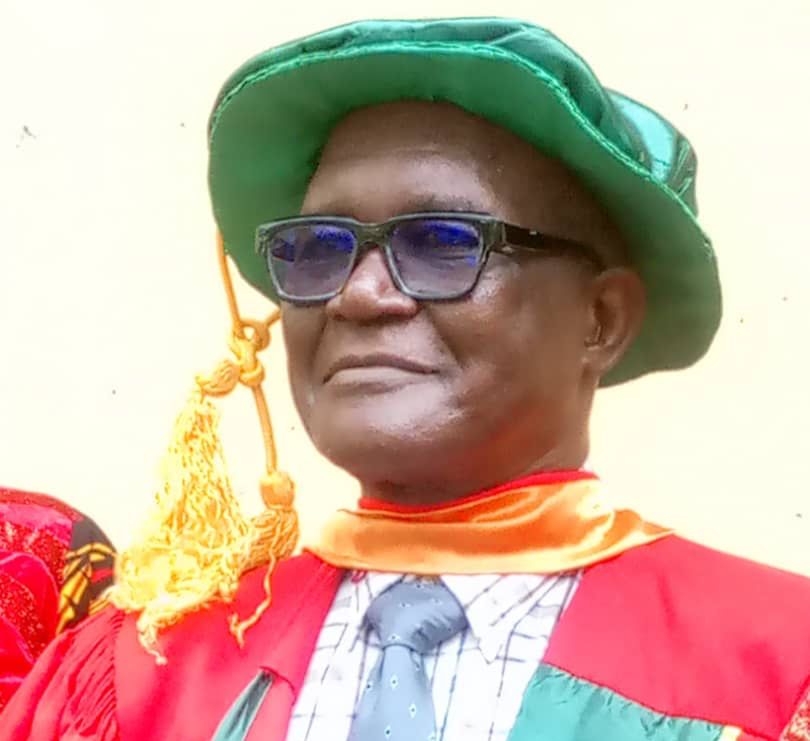
A Professor of Animal Nutrition/Breeding Genetics, at Michael Okpara University of Agriculture, Umudike (MOUAU), Abia State Nnamdi Anigbogu has said it is cheaper to use sawdust and rice chaff to produce animal feeds.
Prof Anigbogu stated this at the University’s auditorum while delivering the institution’s 67th Inaugural lecture titled, “Crude Harvest Transformation: Waste to Wealth.”
He advised the Federal Government to develop more nutrition-rich animal feeds for the Nigerian livestock industry by refining municipal organic wastes such as Saw dust, Rice chaff and other untapped waste resources.
Prof. Anigbogu said the country will spend less on foreign animal feeds and also spend less on the management of organic wastes, if it develops the rich nutritions found in harvest wastes.
He recommended that the Federal government should enact a law on the use of municipal organic waste as feeds, adding that government should encourage researchers to form a bioproduction centre for life enzymes.
The Professor of Animal Nutrition/Breeding Genetics informed that Saw dust has 0.1% crude protein but increases to 5% after being refined and treated for animal consumption.
“The government is wasting much money in organic wastes management.
“The feed produced from municipal organic wastes are much cheaper. The so-called life enzymes are being made in comercial form in terms of zoo tech fortifier.
“When fed to turkey, chicken, pig, goat, they perform well.”
Prof Anigbogu, who in 2011, was ranked first in the world on “Zymo Cells/Sawdust Feed Resource Technology” as a new invention in the World of Sciences by the World Wide Science Alliance, harped on the importance of inwardness study of the nation’s ecosystem and biodiversity for animal feed resources, including the unknown microbes.
“There must be a diversification, and proper use of our natural resources, for effective research towards unmasking the untapped fine chemicals and metabolites for balance animal feed production.”
He enumerated the important role the utilization of organic waste for animal feeds could play to include, fighting world hunger, improvements in health,
pollution control, reduce ozone depletion and contributes to environmental friendliness.