Follow Us on Google

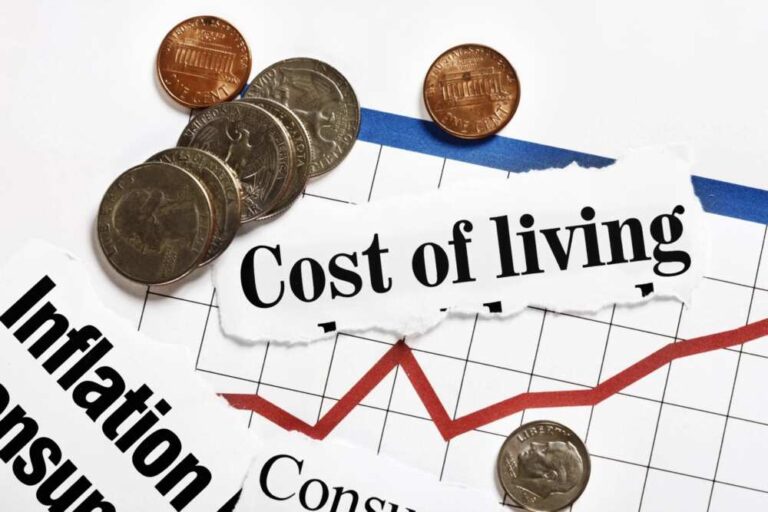
The fate of about 39.65 million Micro, Small Medium Enterprises (MSMEs) in the country is in danger due to the present high cost of Automotive Gas Oil (AGO), popularly known as diesel. Currently, a litre of diesel is selling for about N720 in some parts of the country, and is expected to rise above that amount in the coming days if urgent measures are not taken to ameliorate the situation. The N720/litre price is about 200 per cent higher than the price a month ago.
The Small and Medium Enterprises Development Agency (SMEDAN) and the National Bureau of Statistics (NBS), recently expressed concerns that small businesses in the country that are the engine of economic growth, are on the brink of collapse as a result of numerous challenges, including the high cost of petroleum products such as petrol and diesel. Officially, there are 41.5 million registered MSMEs in the country, comprising 41.5 million micro enterprises and 73,081 SMEs.
Together, they are responsible for 59.6 million jobs, which represent 86.3 per cent of national workforce and contribute about 3.5 per cent to the nation’s Gross Domestic Product (GDP). Many MSMEs operate in an environment that poses serious challenges to their survival and contribution to national economic growth and development. According to available data, 61.95 million persons were reportedly engaged in MSMEs in 2020, while 16.04 million micro enterprises employment were generated across the informal sector, with agriculture generating 61.1 per cent of the jobs, while 7.49 million jobs were generated in the formal sector, with manufacturing accounting for 21.6 per cent. This represents the highest employment among SMEs, according to official government data.
Government should save MSMEs from the multiple problems hampering their existence. A recent survey by the Ministry of Industry, Trade and Investment has also shown that MSMEs account for about 76 per cent of the nation’s labour force and contributes about 50 per cent to the GDP. MSMEs account for over 90 per cent of all firms globally and on the average, account for about 70 per cent of the total employment and 50 per cent of GDP worldwide. Because of their pivotal role in stimulating economic growth and providing employment to vulnerable groups such as the youth, women and the poor in the country, government should sustain its interest in the sector for efficiency and growth. There is need for more government and private interventions to cushion the effects of current economic downturn.
Doing so will enable small businesses to recover from the high cost of diesel that has pushed up other production costs. One of such interventions in the past was the MSMEs Survival Fund and Offtake Scheme. No nation can develop its economy without concerted effort that will facilitate private sector participation, financing and improving social services delivery, hence government should continue to provide the enabling environment and incentives deliberately designed to yield the desired outcomes.
Last year, Nigeria Export-Import Bank (NEXIM) released N36billion for MSMEs in the country, with each state receiving N1billion to support export businesses across the country. The Bank of Industry (BoI) also disbursed loans to over three million MSMEs and 653 large enterprises between 2015 and 2020 through which about seven million direct and indirect jobs were envisioned to be created. For many years, MSMEs operators have complained about high electricity tariffs, poor access to finance and the unwillingness of banks to grant them loans at low interest rates in spite of the directive by the Central Bank of Nigeria (CBN).
This has made it difficult for many MSMEs to contribute meaningfully to the growth of the economy. Government needs to improve the Ease of Doing Business (EoDB) by curtailing the rising insecurity, providing tax holidays and other incentives that will enhance their performance. With conducive environment, many of them will contribute to the growth of the economy and create many jobs. This is why the widely reported reluctance of some banks to give them loans at low interest rates remains a major concern.
No doubt, MSMEs enabled the country to overcome two economic recessions in the last five years. The escalating price of diesel will likely force many entrepreneurs out of business. This is because more than 60 per cent of their operating cost goes into diesel and petrol, leaving many of them with little fund to pay workers and other transactions. Already, many of the micro and small business operators are bemoaning the rising cost of production. Although President Muhammadu Buhari has apologised for the scarcity of fuel and high cost of diesel, that is not enough. Government should do something urgently to end the scarcity and high prices of diesel and fuel and save MSMEs from imminent collapse.