Follow Us on Google
By Vera Wisdom-Bassey
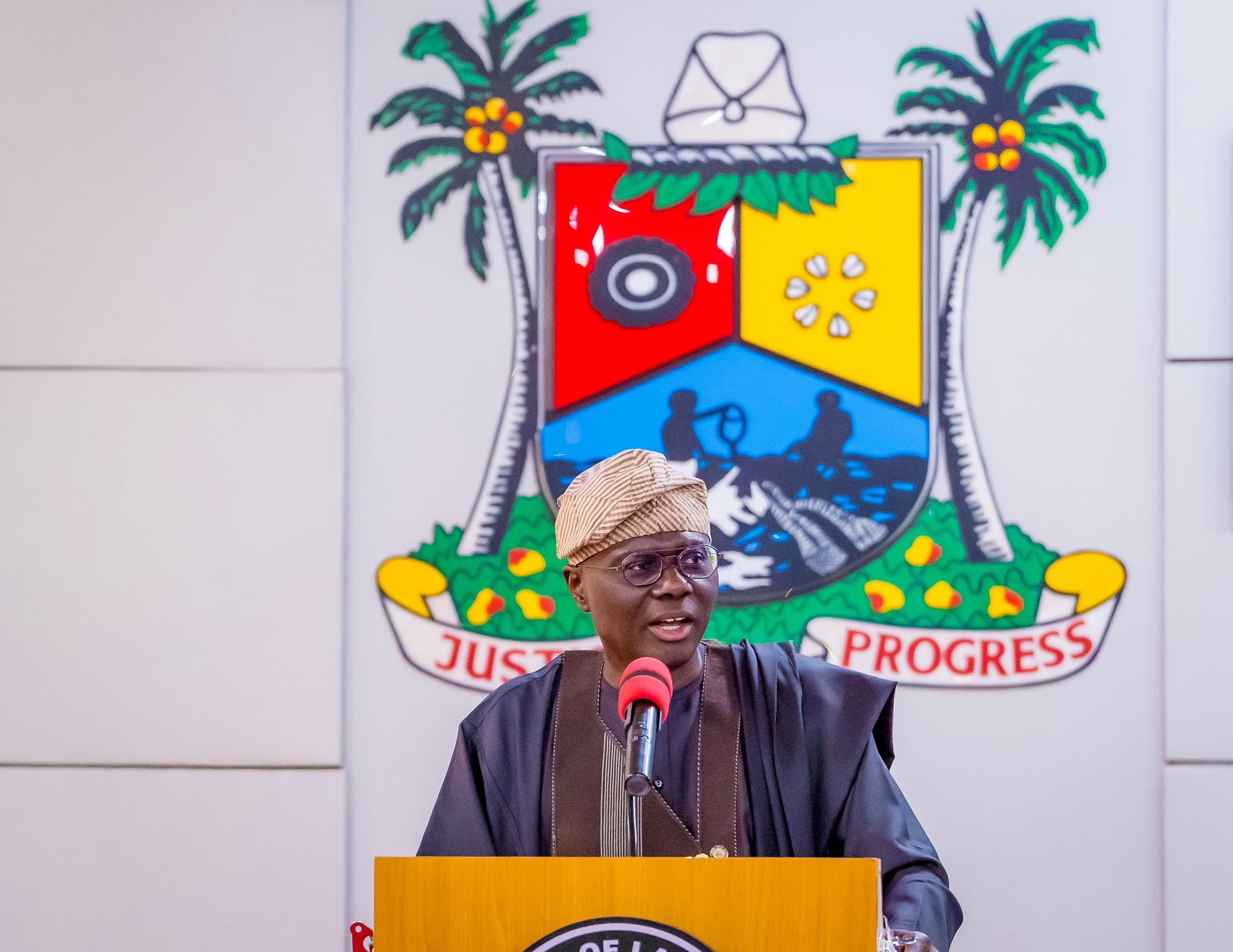
Lagos State Governor, Babajide Sanwo-Olu, has called for sustained policy reforms and stronger collaboration among stakeholders to improve Nigeria’s transport sector and achieve an integrated, efficient, and sustainable transportation system.
The governor made the call at the Annual Multi-Model Roundtable Conversation organised by Global Transport Policy, held at the Marriott Hotel, Ikeja, Lagos.
Speaking on the theme, “Transforming Nigeria’s Transport System: Integrating Solutions for Safety, Efficiency and Sustainability,” the governor, who was represented by the Managing Director of the Lagos Metropolitan Area Transport Authority (LAMATA), Abimbola Akinajo, said Lagos State’s transportation successes are the result of deliberate planning, guided by a strategic transport master plan that has been continuously updated for more than two decades.
According to him, the state’s transport initiatives, including road, rail, and water transportation projects are products of a carefully designed intermodal transport system aimed at ensuring seamless connectivity for commuters.
He noted that major transport infrastructure projects in the state are being developed with integration in mind. He cited the Marina Interchange, which combines rail, road, and water transportation, and a similar facility under development at Mile Two.
“The vision of Lagos State is to make connectivity seamless and simple for the commuting public,” he said, adding: “The purpose of the Marina Interchange is to ensure that passengers can switch from one mode of transportation to another within five minutes.”
Other News
The roundtable attracted policymakers, transport experts, security agencies, academics, and private-sector stakeholders who examined strategies for addressing challenges facing Nigeria’s transportation network.
Convener of the event, Dr. Olusegun Musa, emphasised the need for better integration among the country’s various transport modes.
He observed that Nigeria’s transport system remains fragmented, making it difficult for different modes to complement one another effectively.
Musa explained that the objective of the roundtable was to explore policies that would encourage road, rail, air, and water transportation systems to operate in a coordinated and mutually supportive manner.
He also highlighted the importance of private-sector investment in bridging Nigeria’s infrastructure gap.
According to him, government alone lacks the resources needed to finance large-scale transport projects, making public-private partnerships essential.