Follow Us on Google

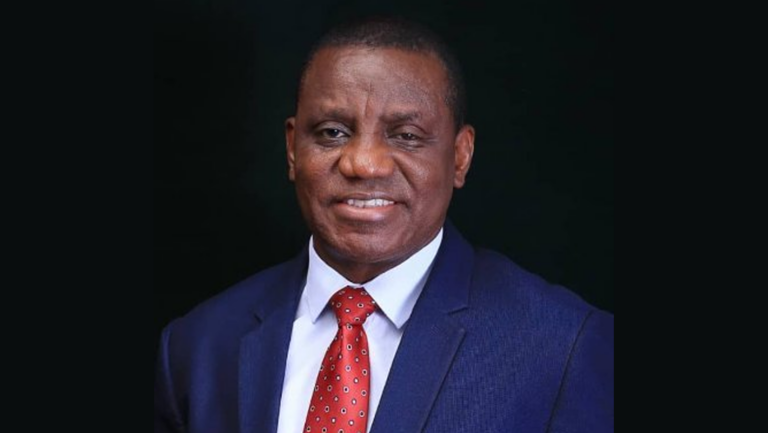
Ayo David Adeyemi, the Executive Director of PIPO GLOBAL Ltd, has called on African governments to treat road safety as an urgent public health and development issue following the latest World Health Organization (WHO) report on road traffic fatalities.
According to WHO, between 2011 and 2025, road deaths decreased by 36% in Europe, 15% in the Western Pacific Region, and 2% in South-East Asia. The Americas experienced no change, while Africa was the only region in which deaths surged by 17%. According to him, this is not surprising, as Africa features some of the worst road infrastructure in the world. Only 53% of African roads are paved, while only 43% of Africans have access to an all-season road. Across the continent, over 620 road deaths occur every day despite Africa having only 3% of the world’s vehicles.
“As of today, 92% of the world’s fatalities on the roads occur in low- and middle-income countries, a category almost all African countries fit into,” he said, adding that these countries possess only about 60% of the world’s vehicles. He noted that half of road deaths involve vulnerable road users such as cyclists and pedestrians, while African roads largely lack provisions such as road lights, zebra crossings, cycling lanes, pedestrian walkways, and overhead bridges.
“Save for a few cities, Africans do not have infrastructures for non-driver road users.”
Adeyemi, a social impact strategist, entrepreneur, and advocate for sustainable development, stated that poor road infrastructure costs countries between 2% and 5% of GDP, further worsening the continent’s economic challenges. He added that men are three times more likely to die in road accidents and are often the primary breadwinners in many African households.
“Valuable human resources get lost and rare talents become missing. If this trend continues, Africa risks depletion of its talents not just from migration alone but also from bad road networks.”
He further observed that inadequate road safety enforcement remains a major challenge. In 2024, WHO stated that no African country had laws that met best practice standards for the five key road safety behavioural risk factors: speeding, drink driving, non-use of motorcycle helmets, seatbelts, and child restraints. According to him, road traffic data across Africa remain inadequate, often excluding injuries, disabilities, and their long-term consequences.
He also lamented the state of emergency medical services across the continent, noting that only about one-third of African countries have functional or partially functional emergency medical services.
“The situation of emergency medical services is nothing to talk about as well. The absence of these services aggravates mortality as more than half of road deaths happen post-crash. Immediate medical responses could save the lives of many victims.”
Adeyemi urged African governments to regard the report as an urgent call to action.
“First, road safety rules must be updated to meet global standards. Laws, without proper enforcement, are nothing but an exercise in futility. Vehicles need to be regularly inspected for roadworthiness, and motorists must comply with traffic rules. Non-compliance, whether by motorists, passengers, or pedestrians, should be punished. Continuous education of road users is also a must, as the goal is to ensure compliance and not to congest prisons or derive revenue from fines.”
He stressed the need for improved road infrastructure across the continent, noting that World Economic Forum data from 2019 placed most African countries below 100th position globally in road quality rankings.
“Africa invests 4% of its GDP in infrastructure, compared to 14% in China despite having greater infrastructural deficits. Countries must address this gap by dedicating more financial resources to road construction, using public-private partnership arrangements, and collaborating with development partners who are ready to assist.”
He added that, given that half of all victims are vulnerable road users, new roads should be designed with them in mind, while existing roads should be upgraded to protect them. Finally, he stressed the need to address corruption among policemen and road traffic officers.
“The bigger burden falls on seven countries—Nigeria, the Democratic Republic of the Congo, Ethiopia, Kenya, South Africa, Uganda, and Tanzania—which account for 64% of all road deaths on the continent. If these seven countries take proper, urgent action, there will be improvement.”