Follow Us on Google
From Idu Jude, Abuja
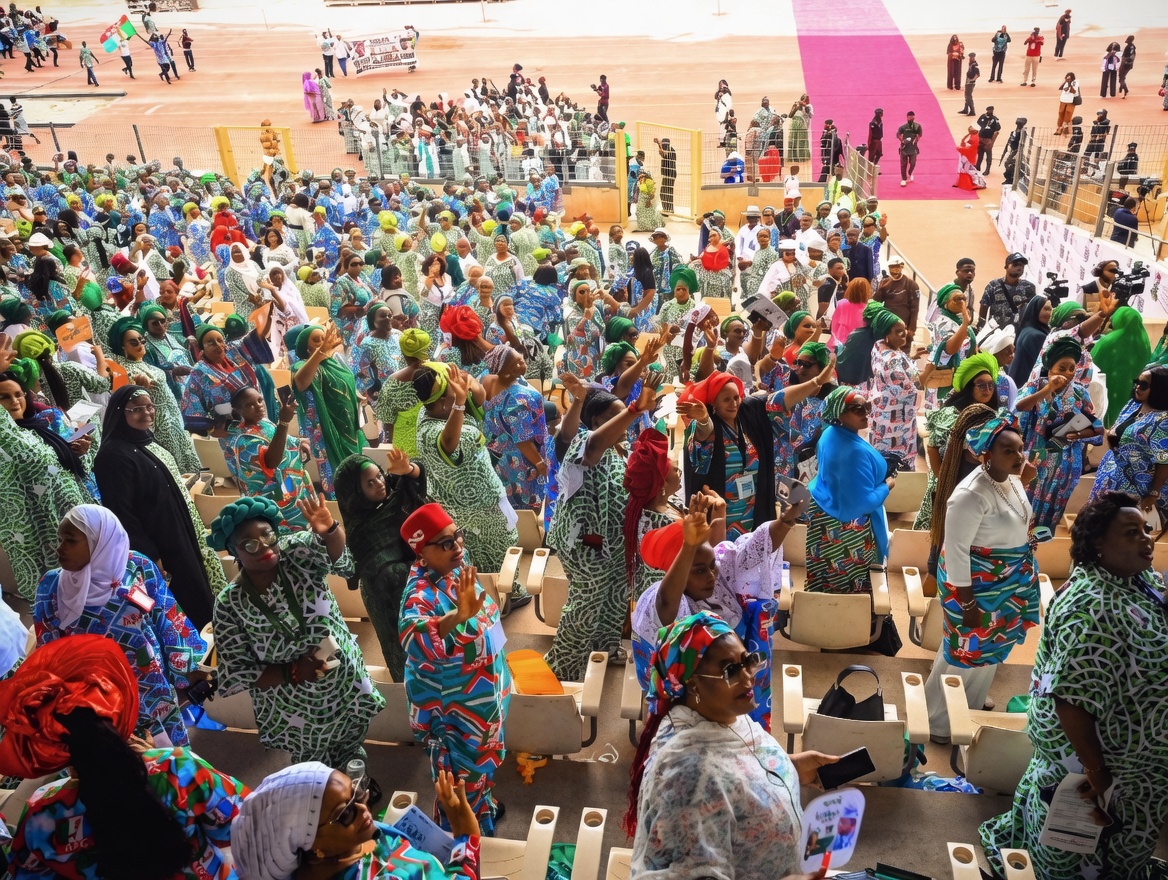
The Initiative for Research, Innovation and Advocacy in Development (IRIAD) and The Electoral Hub in conjunction with coalition of Civil rights organizations, has rising against Violence Against Women in Politics (VAWP) and has deleared 10 days of activism across Nigeria to press home the demand for the realization of the demand for deserved seat.
Recall that the bill for the reserved seat at the National Assembly, has suffered neglect in the hands of two chambers of the parliament since inception.
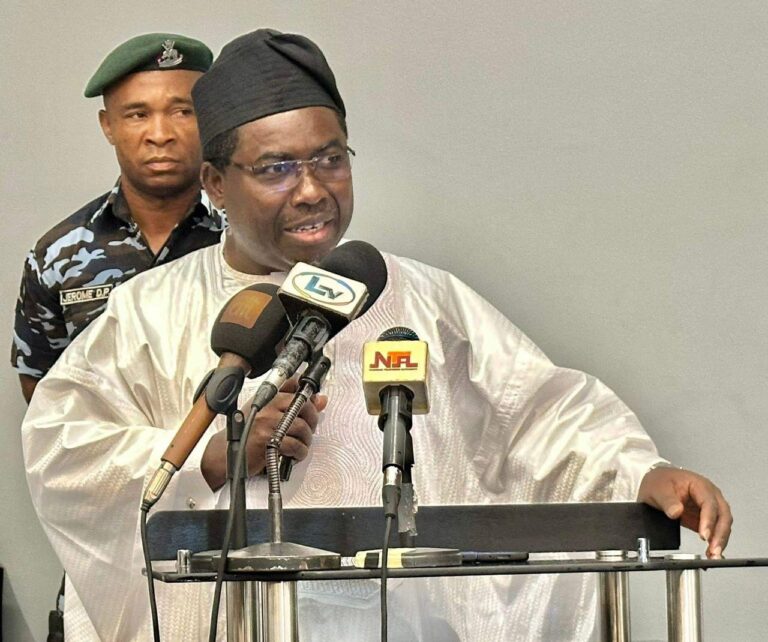
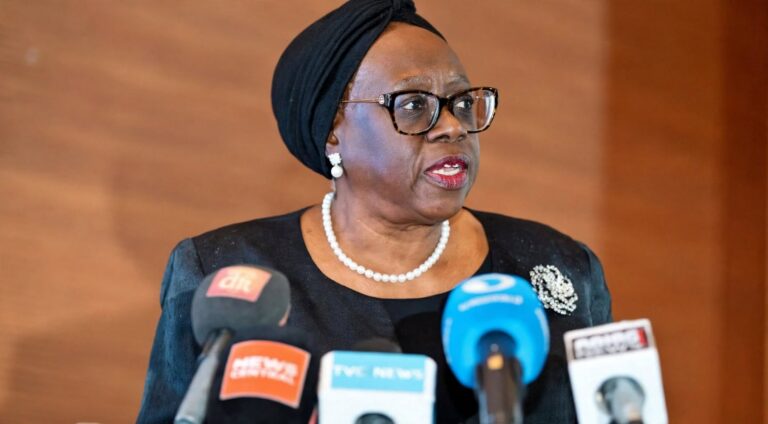
Director of the IRIAD, The Electoral Hub, Princess Hamman-Obels on Wednesday, highlighted that this annual observance serves as a powerful reminder that democracy cannot flourish where violence, intimidation, and fear determine who participates in politics and represents citizens in democracy.
Princess Hamman-Obels, argued that a truly democratic society is one in which every citizen can express their views, contest for office, and contribute to governance without fear of any form of violence whether online or offline.
“Safe voices are the foundation of democratic participation, and a strong democracy depends on the full and equal inclusion of women in political processes.
“As Nigeria prepares for the 2027 General Elections following the conclusion of party primaries and the commencement of broader electoral activities, we are compelled to draw national attention to the persistent and growing violence faced by women who aspire to political leadership and public office.”
She said, the just concluded political parties’ primaries, many women aspirants experienced violence particularly structural violence from political institutions reflected by structural barriers that continue to limit women’s political participation and representation.
“The failure to pass the Special Seat Bill for Women has left a critical gap in efforts to address historical and systemic exclusion of women from politics and representation. At a time when deliberate measures are needed to promote inclusive governance and equitable representation, the absence of stronger legal and institutional safeguards continues to place women at a disadvantage within Nigeria’s political landscape.
“Beyond legislative shortcomings, many women who seek political office encounter resistance within their own political parties. Reports of female aspirants being pressured or compelled to step down in favour of male contenders remain a troubling reality. In many instances, women are encouraged to withdraw from contests in the interest of so-called “party arrangements” or political calculations that prioritize male candidates, regardless of the qualifications, competence, or popularity of the women involved.
Such practices undermine democratic principles, weaken internal party democracy, and deny women equal opportunities to compete for leadership positions.”
Also, she noted that women in politics continue to face a broad spectrum of violence and intimidation designed to discourage their participation. These include threats to their lives, threats against family members and supporters, physical assaults, harassment at campaign events, destruction of campaign materials and property, and other forms of election-related violence.
Many women, she said, are subjected to psychological abuse, including intimidation, blackmail, humiliation, character assassination, and persistent efforts to undermine their confidence and credibility in the public sphere.
“The digital space has become another significant arena for violence against women in politics. Female politicians and aspirants are increasingly targeted through online harassment, cyberbullying, cyberstalking, hate speech, misinformation and disinformation campaigns, aimed at damaging their reputations and silencing their voices. Social media platforms are frequently used to spread sexist narratives, threats of violence, and derogatory content that seek to discourage women from active political engagement.
These acts of physical, psychological, and digital violence are not isolated incidents. They are part of a broader pattern of gender-based political violence that seeks to exclude women from decision-making spaces and maintain existing inequalities in political representation.
When women are forced to choose between their personal safety and their political aspirations, democracy itself is weakened. A democratic system can only be truly representative and legitimate when women can participate freely, safely, and equally at every stage of the political process.
As Nigeria advances toward the 2027 General Elections, all stakeholders must recognize that the safety and inclusion of women in politics are not women’s issues alone; they are democratic imperatives. Protecting women from political violence requires collective action and sustained commitment from all sectors of society.
Political Parties: Political parties must adopt and enforce zero-tolerance policies against all forms of violence, including intimidation, harassment, and hate speech directed at women in politics. They must strengthen internal party democracy, create safe and inclusive spaces for women’s participation, and establish credible accountability mechanisms to investigate and sanction perpetrators of gender-based political violence within their structures. Political parties also have a responsibility to ensure that women aspirants and candidates have equal opportunities to participate and compete fairly in electoral processes.
She however, government, including the National Assembly and relevant public institutions, must demonstrate stronger commitment to advancing women’s political participation and representation. This includes expediting the passage of the Special Seats Bill for Women, strengthening the implementation of laws addressing political violence and gender-based discrimination, and ensuring that institutions responsible for electoral integrity are adequately resourced. Government must also create an enabling environment where women can exercise their political rights freely and safely.
Security agencies must respond swiftly and effectively to reports of violence against women in politics. Incidents of political violence should be thoroughly investigated, and perpetrators must be held accountable irrespective of political affiliation or social status. Security institutions must also adopt gender-sensitive approaches to election security and provide adequate protection to women candidates and political actors facing political and election-related violence.
Political Contestants: All political contestants must commit to issue-based campaigns that promote healthy democratic competition and respect for human rights. They must reject the use of violence, intimidation, disinformation, and gender-based attacks as political tools and instead foster a culture of tolerance, civility, and peaceful engagement throughout the electoral process.
Civil Society Organizations: Civil society organizations must continue to play a leading role in advocating for safer and more inclusive political spaces. They should intensify efforts to monitor, document, and report incidents of violence against women in politics, provide support mechanisms for affected individuals, and sustain public education campaigns that promote gender equality, democratic participation, and accountability.
Citizens have a crucial role to play in safeguarding democracy and promoting inclusive political participation. Nigerians must reject hate speech, political violence, and discriminatory attitudes that discourage women from seeking public office. Citizens should support women candidates based on their competence, vision, and contributions to society while actively challenging stereotypes and harmful narratives that undermine women’s political participation and leadership.
She said the 2027 General Elections present an opportunity for Nigeria to demonstrate its commitment to inclusive democracy. Every stakeholder has a responsibility to ensure that women can contest, campaign, vote, organize, lead, and serve without fear of intimidation, discrimination, or violence.
As we mark these 10 Days of Activism, IRIAD and The Electoral Hub reemphasize that violence against women in politics is not an isolated phenomenon, it is a manifestation of broader structural inequalities that require urgent and collective action.