Follow Us on Google
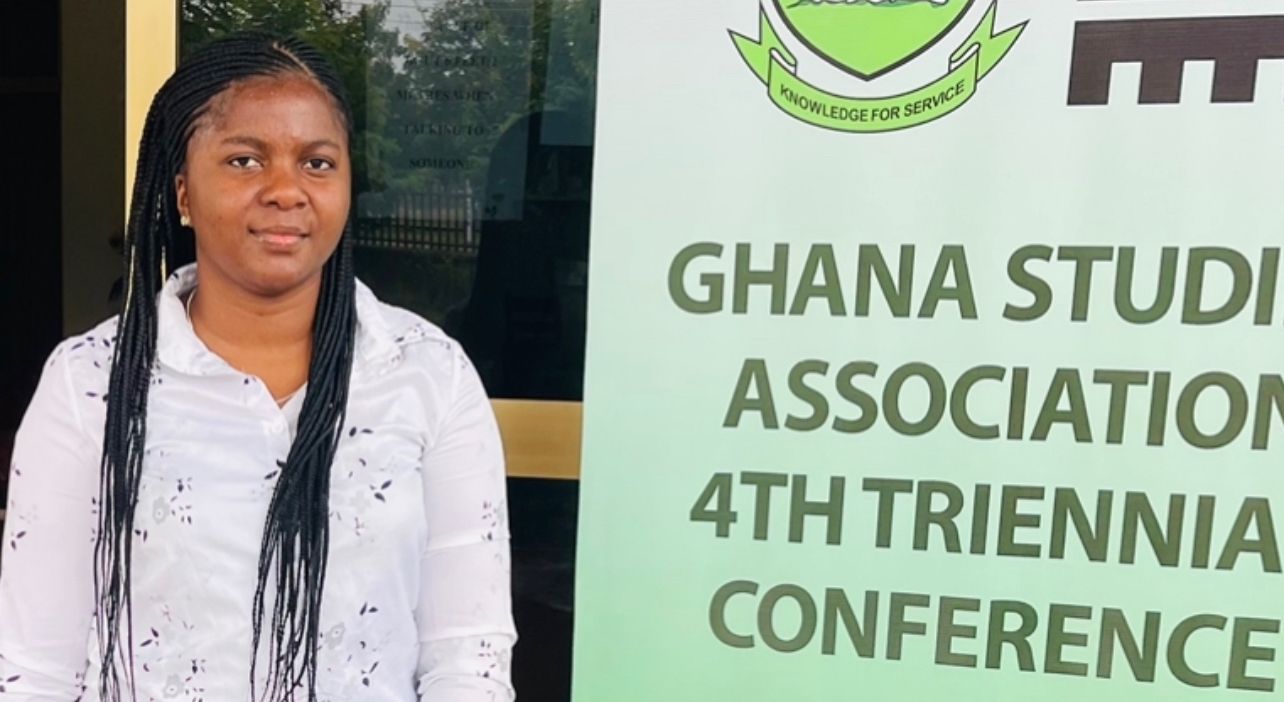
Temitope Oluwatosin Faloye is a visionary educationist and leading expert on unemployment, employability, and their societal impacts, particularly within Nigeria and Africa. Her pioneering work has positioned her as a central figure in employability research on the continent. One of her most influential contributions is her paper, Employers’ Perspectives on Female Graduate Employability in Nigeria, presented at the 4th Triennial Conference in Ghana. This research holds immense importance within the African and global academic communities for its critical insights, especially in the context of female employment challenges. Faloye’s work continues to drive important conversations on unemployment, offering valuable perspectives and potential solutions to this pressing issue.
In today’s competitive economy, employers increasingly seek graduates with essential employable skills to meet labour market demands. However, in Nigeria, many employers report that graduates, particularly female graduates, often lack the competencies required for job market, contributing to the high unemployment rates in the country.
Temitope conducted an extensive study using mixed-method research to explore employers’ perspectives on these challenges. Her research highlights both progress and gaps in female employability, especially in sectors like ICT, engineering, and digital media, where societal openness, supportive government policies, and women’s empowerment initiatives have prompted greater female participation and leadership.
While there is positivity about the increased presence of women in these fields, Faloye’s findings reveal ongoing concerns among employers about competency gaps in newly graduated females. Job readiness skills such as resume tailoring, interview preparation, and an understanding of specific job requirements for entry-level roles needs improvement says Temitope. This emphasizes the need for targeted skill development initiatives to bridge these gaps and enhance employability for female graduates.
Her findings highlight the potential to enhance educational and training programs to better prepare female graduates for the workforce. Her research suggests that universities and educational institutions could implement comprehensive career guidance and job preparation initiatives aimed at closing the employability gap. By focusing on practical skills such as strategies for job searching, interviewing, and resume construction, job readiness, and soft skill development, these programs could help bridge the gap between academic qualifications and the demands of the real-world job market, especially for recent graduates. This targeted approach would equip female graduates with the tools needed to meet employer expectations and succeed in their careers.
Faloye holds a bachelor’s degree in Education with a focus on Vocational and Technical Education, and a master’s in Educational Evaluation. Currently, she is a researcher in African Studies, and her diverse academic background has been undoubtedly instrumental to her impactful work.
Temitope’s mission is to promote collaboration and effective curriculum implementation in African education. Temitope seeks to create efficient strategies and solutions that are suited to the unique requirements of African students and graduates. Her innovative research and steadfast dedication to enhancing education make her a shining example of the constructive role that young professionals may play in addressing unemployment and its broader impacts.
Considering the future, Temitope is dedicated to transforming the educational and human resources sectors in Nigeria and across Africa by leveraging research, data, and technology. Her innovative research influences educational policy and human resource practices, with a focus on integrating advanced techniques and innovative technologies into education to enhance graduate employability, skill development, and workforce readiness.
Temitope anticipates a future with more revolutionary research and advancements in education where education, human resources, and technology converge to bridge the employability gap, driving economic growth across both private and public sectors. Through her holistic approach that combines innovation, education, and strategic human resource management, she aims to drive meaningful advancements that will elevate graduate employability and skill readiness across the continent.