Follow Us on Google
•Approve N248.64bn relief for 3 DisCos
From Ndubuisi Orji, Abuja
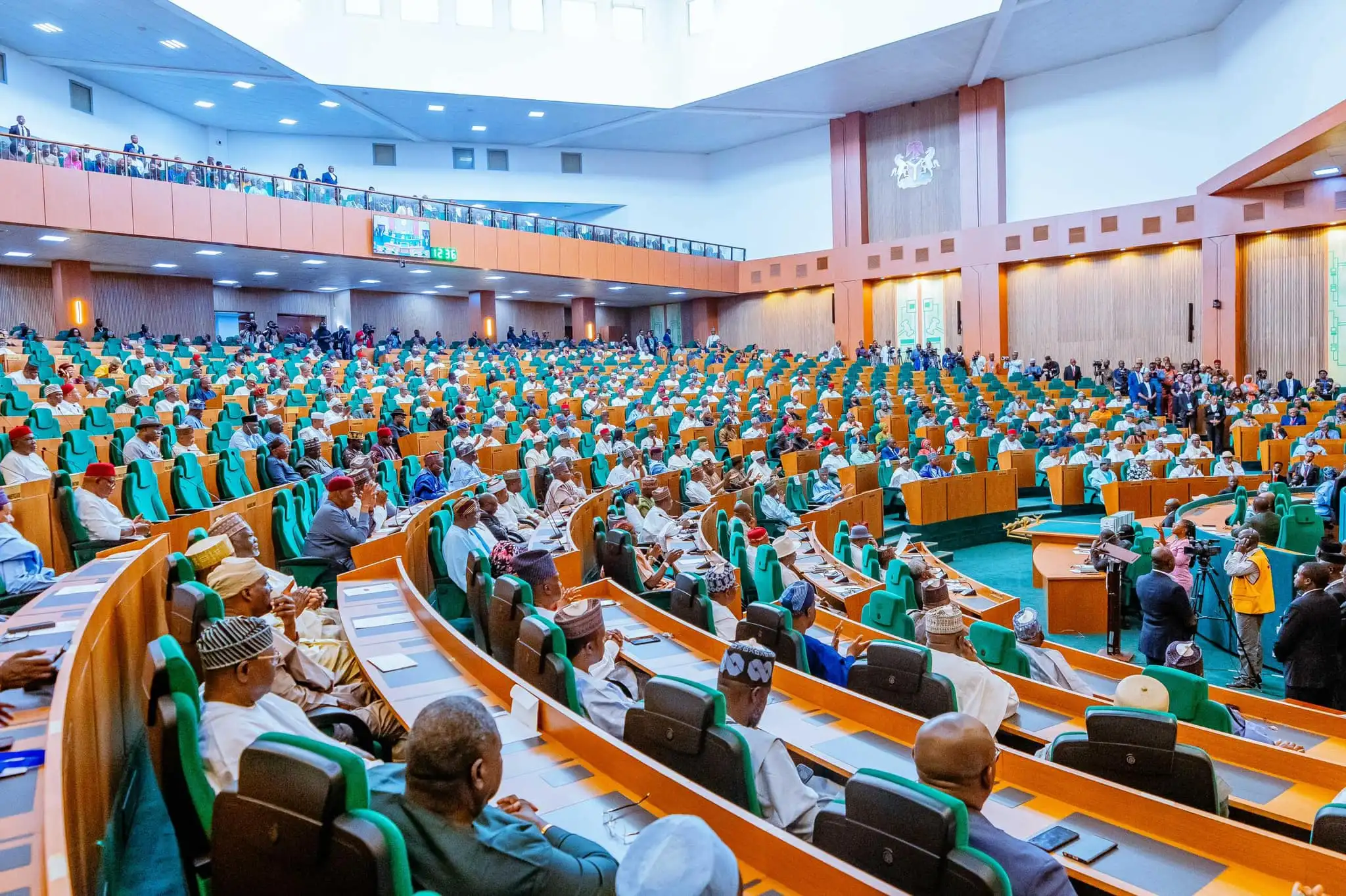
The House of Representatives Committee on Nutrition and Food Security has commenced a probe into insurance coverage for the N1.12 Trillion Anchor Borrowers Program.
Chairman of the committee, Chike Okafor, said at the investigative hearing, that the probe was a continuation of the investigation of the execution of the N1.12trillion Anchor Borrowers Program.
Okafor stated that preliminary findings by the panel revealed that stakeholders, especially farmers and farmer/commodity associations, were not involved in designing intervention products programmes, such as the Anchor Borrower Scheme.
According to him, “the reason why we are here is because the programmes did not succeed 100 percent. If they had succeeded 100%, we would not be here.”
He noted that the parliament will leave no stone unturned in its quest to unravel factors that militate against the successful implementation of Federal Government intervention programmes aimed at improving food security in the country.
Managing Director, Nigerian Agricultural Insurance Corporation (NAIC), Dayo Babaronti, said the Corporation provided cover to only 207,514 farmers, the Anchor Borrower Scheme to the tune of N109 billion.
Babaronti, who explained that the NAIC only provided 12 percent coverage for the scheme, stated that the Central Bank of Nigeria (CBN) engaged two other insurance companies, contrary to the initial policy that made the corporation the sole insurance company for the scheme.
He explained that NAIC only provided cover to the tune of N8,254,175 billion for the Nigeria Incentive-Based Risk Sharing System for Agricultural Lending ( NIRSAL) Plc’s N250 billion facility to support small holder farmers across the country.
Other News
Meanwhile, the House Public Accounts Committee(PAC) has approved a 10-year debt restructuring plan totalling N248.64billion for Kano, Jos and Ikeja Distribution Companies.
The relief, which is aimed at easing mounting liabilities and stabilising Nigeria’s fragile power market, consists of N128.60billion in accrued interest on debts spanning 2015 to 2025 and N120.06billion in historical principal obligations.
This followed the adoption of the report of the PAC Technical Subcommittee set up to review issues raised in the 2021 Auditor-General of the Federation report on the rising indebtedness of electricity distribution companies to the Nigerian Bulk Electricity Trading Company (NBET) Plc.
Chairman of the subcommittee, Mark Obetta, said the recommendations are part of broader legislative initiatives to address legacy debts and restore financial stability in the electricity market.
The committee report read in part “based on appearance, submissions and request, the Committee established that Jos and Kano Electricity Distribution Companies remain significantly indebted to NBET. The interest component and accrued debt during government receivership period form a substantial part of Kano Disco’s liabilities.
“NBET and NERC should allow Kano Electricity Distribution company, Jos Electricity Distribution Company and Ikeja Electricity Distribution company, with significant legacy obligations to restructure and repay their historical debts totaling N120.06bn (including any obligation accrued during the early stabilisation period) over an extended period of not more than 10 years,”
It added “that the market regulator, NERC should issue a directive to NBET to Waive all interest accrued in line with the terms of its letter dated January 2026 from 2015-September 2025 totaling N128.58bn for Jos, Kano and Ikeja Disco representing the new market stabilization era focused on service-reflective tariffs, massive metering and structural reform.
“This is due to the fact that MERISTEM was introduced as a financial Intermediary to manage liquidity challenges in the sector including monthly invoice settlements through escrow account arrangements. Moreover, the current structure does not allow DisCos to charge commiserate interest on unpaid invoices to their customers including Federal and State Government ministries, departments and agencies.
“In addition, these DisCos do not have direct access to their sales collections as the current market settlement system (escrow account) is on a first line charge to first settle market obligations before operating expenses are released to the DisCos. All DisCos should ensure strict compliance with their current market obligations going forward to prevent further accumulation of liabilities.”