Follow Us on Google
- Stakeholders seek speedy of electricity theft
From Ndubuisi Orji, Abuja
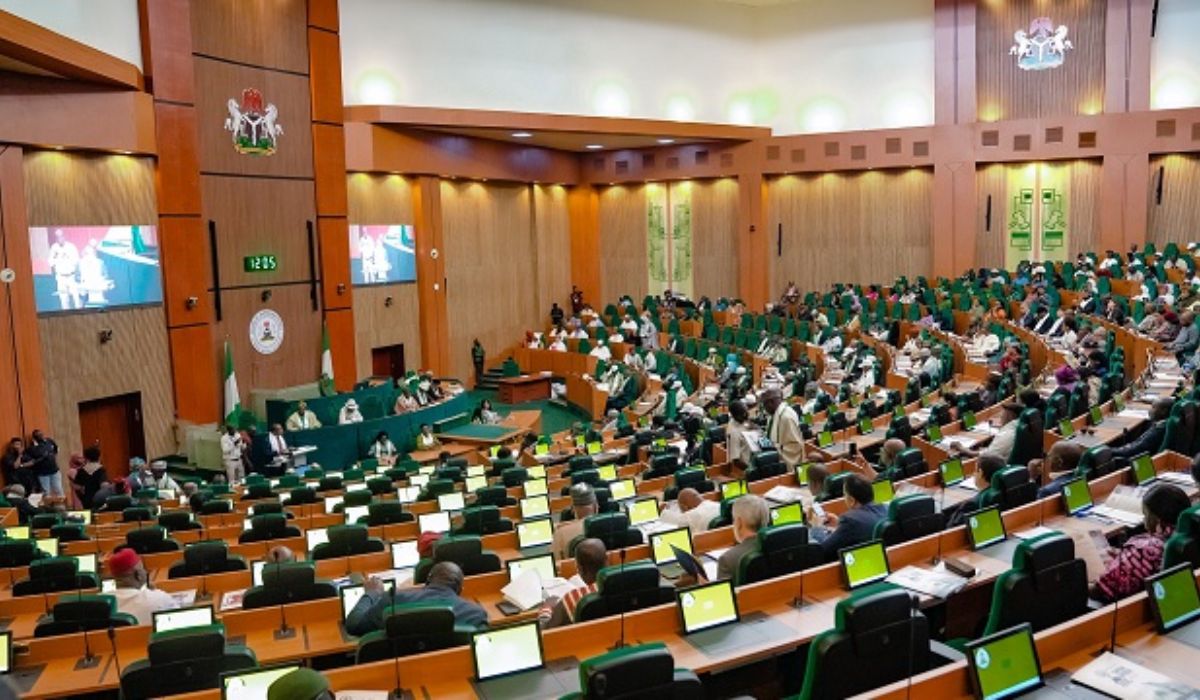
The House of Representatives Ad-hoc on the Probe of Power Sector Reform and Expenditure in the Nigeria Electricity Supply Industry (NESI) has the parliament is committed to a robust framework for the power sector.
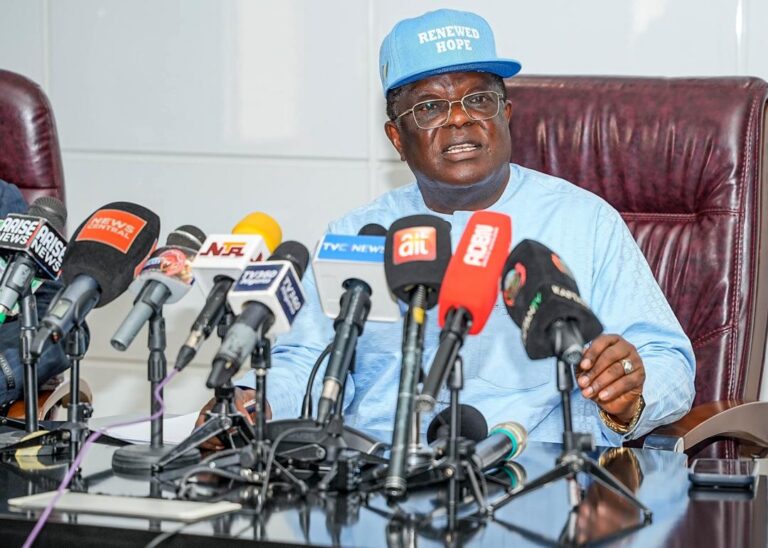
The chairman of the Committee, Ibrahim Almustapha, who stated this, at a Stakeholders’ Parliamentary Roundtable, said the House is keen on a systemic review of extant laws and regulations guiding the power sector.
Almustapha explained that the objective is to dentify duplications, inconsistencies, and outdated provisions in extant laws guiding the power sector, so as to propose amendments or enact new legislations, where necessary.
According to him, this will ensure clarity and strengthen regulatory mandates, enable competitive markets where feasible, protect consumers and vulnerable groups as well as promote renewable energy and off-grid solutions.
This is as stakeholders in the electricity sector have called for the amendment of the Electricity Act to create a framework for establishment of special courts and task force for speedy prosecution of infrastructure vandals and electricity theft.
The call was contained a communique issued at the end of the Parliamentary Roundtable, which was jointly signed by Almustapha and the Clerk of the committee, Dr Abubakar Muri.
Other News
The stakeholders, while urging the government to set up mechanisms to reduce energy loss, which frequently occur in the system as a result of technical inefficiency, called for designation of electricity infrastructure as national asset by law.
“There is need to re-visit the Electricity Act to provide special court to punish vandalises and energy theft and also drone technology should be used to monitor the lines
“Transmission Company of Nigeria (TCN) should complete all the critical and viable projects before embarking on new one while Nigerian Electricity Regulatory Commission (NERC) and the Nigerian Independent System Operator (NISO) should put in place ancillary service to guarantee network efficiency.
“Government should liberalise the issue of metering to make it affordable while agencies of government owing Electricity Distribution Companies (Discos) should be deducted from source after reconciliations,” they said.
They stakeholders added “Banks and telecom companies should be allowed in the metering activities for ease of meter distribution. The use of coal as an alternative source of power is recommended; this is because the coal found in many parts of Nigeria have very low Sulphur content and are available in commercial quantities.
“This is to encourage investors in that sector as there is need for private investment in the state by state generation, transmission and distribution of 100MW to clusters. The Aba model has a long effect in addressing the transmission and distribution problem.”