Follow Us on Google
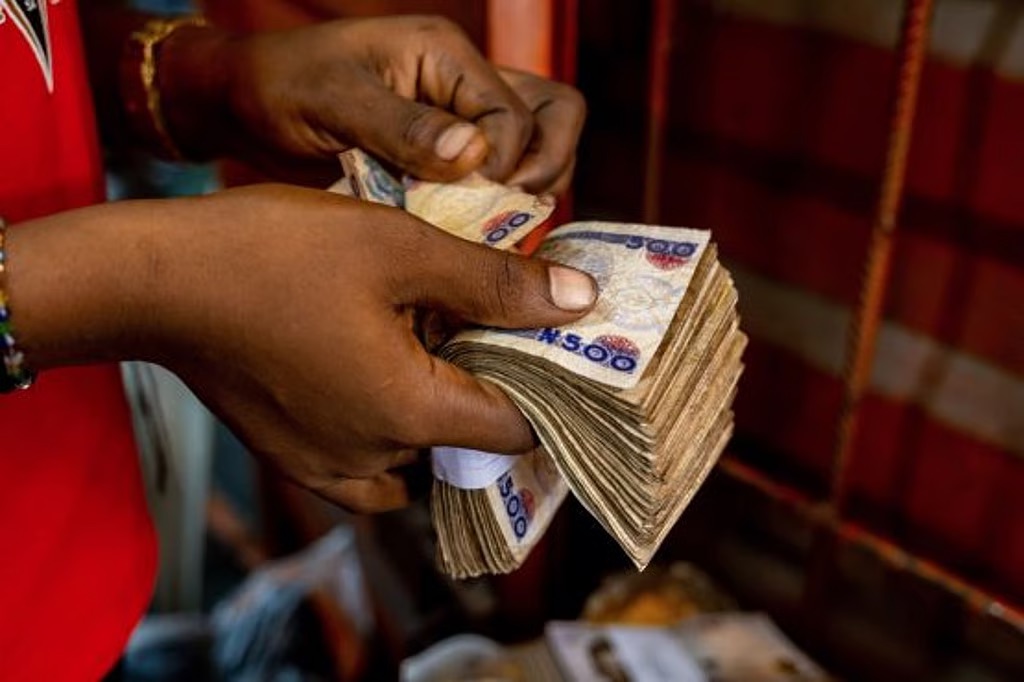
•Only 10.7% of Nigerians earn above N1m monthly
By Chinelo Obogo
Households across Nigeria, Ghana, Kenya, and Uganda spend more than half their income on basic living expenses according to a new report released this week.
The Risevest Cost of Living Report for 2025, based on responses from 19,000 people across the four countries, found that only a small fraction can consistently save 20% of their income, with debt levels at nearly 50% across all surveyed countries.
Uganda recorded the highest spending burden at 66% of monthly income, followed by Nigeria at 62.15%, Kenya at 53.13%, and Ghana at 47%. The high proportion of income spent on necessities leaves very little room for savings, investment, or emergency funds across all four countries.
On the differences in inflation performance across the region, Uganda maintained the most stable economy with inflation at just 3.4% in October 2025, which is below the Bank of Uganda’s 5% target. Kenya’s inflation stood at 4.6% in September 2025, within the Central Bank’s target range.
Ghana showed the strongest economic recovery, with inflation dropping for eight consecutive months to 11.5% in August 2025, its lowest since October 2021. The cedi strengthened over 20% against the dollar, and GDP rebounded to 5.3% in Q1 2025.
Following the Consumer Price Index rebasing in January 2025, Nigeria’s official inflation dropped from over 34% in December 2024 to around 18-24% for most of 2025, settling at 20.12 per cent by year-end. However, the report states these statistical improvements “haven’t translated to real relief for most households.”
Other News
In Nigeria, the median monthly net income stands at N200,225, up from N140,000 in 2024. However, a family of four in Lagos requires approximately N1.24 million monthly excluding rent, while a single person needs about N343,000. The income breakdown shows 25.27 per cent of Nigerians earn between N200,000-N499,000 monthly, 16.7 per cent earn between N500,000-N999,000, and only 10.7 per cent earn between N1 million-N1.99 million.
For Ghana, real household spending is projected to grow by 2.5 per cent year-on-year in 2025, reaching GHS 129.7 billion, driven by easing inflation and the cedi’s recovery. In Kenya, while headline inflation remained stable at 4.6 per cent, food inflation reached 8.4 per cent, transport costs rose 4.0 per cent, and housing expenses increased 1.4 per cent. These three categories account for over 57 per cent of household spending.
Uganda’s economic growth accelerated from 6.1 per cent to 6.8 per cent in the nine months from July 2024 to March 2025, driven by agriculture, manufacturing, construction, and household consumption. Prices of essential items like sugar, beef, and chicken declined.
Despite the challenges, all four countries recorded double-digit gains in savings rates since 2024, with Nigeria and Ghana leading above 21 per cent, followed by Kenya and Uganda. However, 46.77 per cent of respondents across all countries reported having outstanding debts, while 51.81 per cent said they were debt-free.
The report found that respondents often listed five to seven financial goals, including buying homes, building emergency funds, paying off debt, saving for retirement, and investing consistently. The most common financial goal across all respondents is to “invest more,” with many no longer satisfied with simply saving money in low-interest accounts.
About 67.9 per cent of respondents identified real estate as their top investment priority for the next five years, while 63.3 per cent prioritized AI and technology. About 40.1 per cent cited foreign and emerging markets as a key priority.
The survey also highlighted inadequate pension coverage across all four countries, with retirement benefits often falling short of needs. Millions of workers, particularly in the informal sector, face old age with little to no financial security. The gap between saving and investing remains wide across the region. Many people save but don’t invest, often keeping cash in low-interest accounts or at home, the report noted.