Follow Us on Google
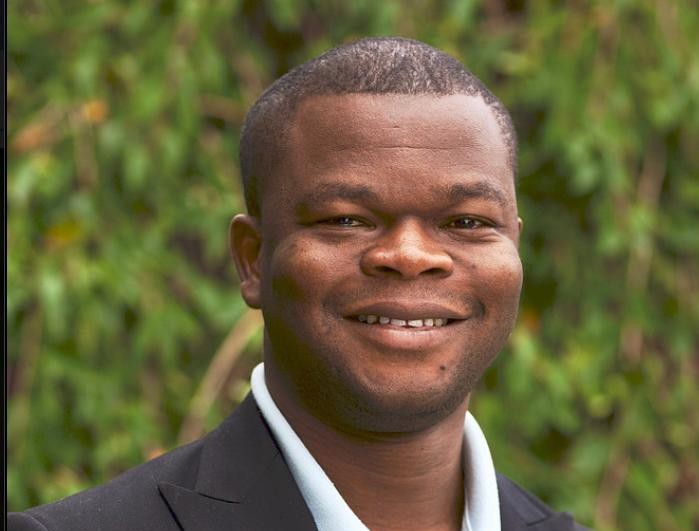
By Olushola Adaramola
The Nigerian construction sector stands at a crossroads. It is one of the country’s most important industries, providing jobs, infrastructure, and shelter, yet also one of its least transformed by technology.
Serious delays, cost overruns, building collapses, and material waste continue to plague project delivery. Now, a new wave of technology, Artificial Intelligence (AI), is quietly reshaping how the world builds.
For Nigeria, integrating AI could mean faster housing delivery, safer sites, and a more efficient path toward the country’slong-promised housing and infrastructure goals.
Nigeria’s housing and infrastructure gaps are well-known. The country faces a 28-million-unit housing deficit, double what it was in 2010. Fewer than 100,000 homes are built each year, far below the 700,000 needed to meet demand. Cement and steel prices have surged by more than 400 per cent since 2019, inflating construction costs and eroding affordability.
The result is stalled projects, rising rents, and a growing sense that the system is broken.
Solving the housing crisis could catalyze economic recovery. Construction is a job multiplier: every new home creates roughly 25 direct and indirect jobs across supply chains, from bricklayers and electricians to transporters and bankers.
But to unlock that potential, the industry must build smarter, not just harder. This is where AI becomes a crucial ally.
Currently, poor planning remains the Achilles’ heel of many Nigerian projects.
It is common to see half-completed buildings languishing for years due to mismanagement, missing materials, or unforeseen cost spikes. AI can change that. AI-powered project-management software can analyze vast datasets from past projects to predict likely bottlenecks, schedule risks, or design flaws, before they happen.
By simulating a project virtually, engineers can detect errors, reallocate resources, and keep projects on schedule. What once depended solely on human intuition can now be guided by data-driven foresight.
Likewise, with inflation hovering around 30 percent and foreign-exchange volatility driving up import prices, Nigerian contractors must squeeze more value from every naira. Here again, AI is proving transformative. Machine-learning algorithms can optimize procurement, identifying when to buy materials, how much to order, and even suggesting alternative, locally sourced substitutes that meet structural requirements at lower cost.
In design, generative-AI tools can propose lighter yet structurally sound configurations, helping engineers use less material without compromising safety.
Some startups are applying AI to sustainability as well, optimizing energy use, material recycling, and site logistics. These tools directly align with Nigeria’s growing green-building movement and the goals of sustainability professionals working to cut construction’s carbon footprint. In essence, AI is turning efficiency into a climate solution.
Talking about safety, Nigeria’s construction safety record remains troubling. Site accidents and building collapses are still too frequent, often traced to negligence or lack of oversight. AI-powered cameras and drones now offer a solution.
These systems can monitor worksites in real time, identifying unsafe behavior, missing helmets, overloaded scaffolds, or workers in restricted zones, and alert supervisors instantly. Predictive analytics can flag equipment likely to fail before accidents occur. A crane, mixer, or lift no longer have to break down to reveal a problem; sensors feeding data to AI models can predict the failure days in advance.
The benefit is two-fold: safer workers and lower project losses. In a sector where each delay costs millions and every life lost is irreplaceable, AI-enhanced safety is both a moral and financial imperative.
The Tinubu administration’s Renewed Hope Housing Programme, targeting 50,000 affordable homes nationwide in its first phase, represents an ambitious step toward bridging the housing deficit. But without innovation in project delivery, the program risks the same fate as earlier initiatives, slow rollouts and escalating costs. AI can help ensure accountability and efficiency.
By integrating AI-driven dashboards, the Federal Ministry of Housing could monitor progress on multiple sites in real time, flagging delays or quality concerns. Predictive analytics can also guide where to build, using population, income, and urban-growth data to identify regions with the greatest housing need.
Private developers can benefit, too. AI-powered demand mapping is already helping real-estate firms pinpoint viable housing markets. When data replaces guesswork, both the public and private sectors build where it truly matters.
Technology can also bridge Nigeria’s chronic financing bottleneck.
Most Nigerians still build their homes incrementally, paying out of pocket because mortgage rates hover between 18 and 30 per cent. AI can support alternative credit scoring, evaluating applicants based on rent histories, mobile-money payments, or utility bills rather than formal credit files.
This complements new efforts like the Nigerian Consumer Credit Corporation (CrediCorp), launched in 2024 to extend low-interest loans to civil servants and young professionals. AI-driven risk assessment could enable such programs to scale responsibly, offering fairer credit while minimizing defaults. In the long term, data-enabled lending can help more Nigerians move from renters to homeowners, boosting both the construction market and financial inclusion.
Although skeptics worry that AI will replace workers, In Nigeria’s context, the opposite is more likely. The country already faces a skilled labor shortage, especially in project management and precision trades. AI will augment, not eliminate, human labor. Routine tasks like site measurements, quantity take-offs, or repetitive bricklaying can be automated, freeing workers to focus on skilled craftsmanship and supervision.
Meanwhile, new roles are emerging: drone operators, data analysts, and digital-modeling specialists. Forward-looking construction firms are introducing AI-driven virtual-reality simulators to train workers safely and cheaply. With the right vocational programs, AI could upskill Nigeria’s youth, creating a new generation of “smart builders.”
The Road Ahead
AI is not a silver bullet. The technology requires data infrastructure, investment, and trust. Many small contractors still lack digital tools or internet access on site.
Government can play an important role by promoting open-data standards for construction and incentivizing technology adoption through tax breaks or grants. Partnerships with universities and tech startups can nurture local AI talent focused on solving uniquely Nigerian construction problems, from flood-resilient design to traffic-aware infrastructure planning.
The message is clear: Nigeria cannot afford to treat AI as a luxury reserved for advanced economies. It is a necessity for competitiveness. If deployed thoughtfully, AI could help Nigeria build the affordable homes and resilient infrastructure that’s necessary for economic recovery.
The future of Nigerian construction will not be written only in concrete; it will be written in code. Artificial intelligence is more than a fancy buzzword; it is a set of tools to help Nigeria overcome old inefficiencies and deliver on its promise of growth. As we lay the foundation for affordable housing and urban renewal, AI can serve as both the hard hat and the algorithm, protecting workers, saving costs, and ensuring every naira spent translates into visible progress. In a sector that has too often built slowly, AI offers a way to build smartly. And for a country striving to house its people and revive its economy, that may be the smartest investment of all.
About the author:
Olushola Adaramola is a seasoned professional in real estate development and a passionate champion of sustainable housing. With years of experience leading eco-friendly and affordable housing projects across Nigeria and the United States, he brings a global perspective to green construction. His LEED certification underscores his dedication to creating energy-efficient, environmentally conscious communities.