Follow Us on Google
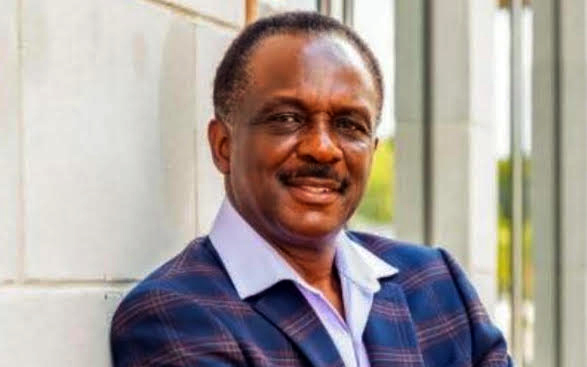
A former Nigerian international has appealed to President Bola Tinubu to overhaul Nigerian football’s entire development system, warning that simply replacing officials at the Nigeria Football Federation (NFF) will not fix the game.
The appeal comes from Nathaniel Ogedegbe, a Hall of Fame inductee and director of Flawless Soccer Academy, following the August 27 resignation of the NFF’s president, general secretary and executive committee after the Super Eagles missed the 2026 World Cup and the Super Falcons failed to qualify for the 2027 Women’s World Cup.
“Vacancies alone do not amount to reform,” Ogedegbe said, echoing former international Segun Odegbami’s warning that changing leaders without rebuilding the system repeats “the cycle of hope, controversy, failure, and resignation.”
Ogedegbe pointed to Nigeria’s past success built on links between schools, clubs and the national team — citing the 1980 AFCON champions, the 1985 U-16 world champions from Lagos schools, and the late Stephen Keshi, who rose from a school Principals Cup team to captain the 1994 AFCON winners and later coach Nigeria to the 2013 title. He said he saw the pipeline firsthand: his own school, St. Finbarr’s College, produced six Flying Eagles call-ups, including himself and Henry Nwosu, who went on to senior-team stardom.
He cited Spain, France and Morocco as models — Spain’s 2026 World Cup-winning coach Luis de la Fuente came up through its youth ranks, France links scouting with nearly 1,000 school sports programs, and Morocco’s 2022 World Cup semifinal reflected sustained investment in facilities and coaching. Ogedegbe wants Nigeria to build a similar system, a protected technical director, one coaching framework from U-13 to the senior teams, six zonal development centers, a national school league, and digital player IDs to curb age fraud.
The letter urges the government to settle lingering doubt over the NFF’s legal status — a 2012 Federal High Court ruling reportedly rejected the “NFF” name despite FIFA and CAF recognition, with an appeal’s status unclear. Ogedegbe wants a published Attorney-General opinion and new legislation enforcing audits and accountability. He also called for rebalancing NFF voting power, currently dominated by state associations, to include clubs, women’s football, players and coaches, along with public integrity checks for candidates.
On clubs, he wants licenses tied to audited accounts, guaranteed wages and youth teams, with defaulters losing their licenses, and government-owned clubs required to publish budgets.
Ogedegbe proposed a staged rollout: legal and financial disclosures within 100 days, school competitions and digital registration within a year, licensing and wage enforcement within two years, measurable progress within four years, and consistent tournament qualification within eight.
He closed with a direct message to the president: “Do not merely fill the vacant offices. Rebuild the system.” has appealed to President Bola Tinubu to overhaul Nigerian football’s entire development system, warning that simply replacing officials at the Nigeria Football Federation (NFF) will not fix the game.
The appeal comes from Nathaniel Ogedegbe, a Hall of Fame inductee and director of Flawless Soccer Academy, following the August 27 resignation of the NFF’s president, general secretary and executive committee after the Super Eagles missed the 2026 World Cup and the Super Falcons failed to qualify for the 2027 Women’s World Cup.
“Vacancies alone do not amount to reform,” Ogedegbe said, echoing former international Segun Odegbami’s warning that changing leaders without rebuilding the system repeats “the cycle of hope, controversy, failure, and resignation.”
Other News
Restoring an Old Pathway
Ogedegbe pointed to Nigeria’s past success built on links between schools, clubs and the national team — citing the 1980 AFCON champions, the 1985 U-16 world champions from Lagos schools, and the late Stephen Keshi, who rose from a school Principals Cup team to captain the 1994 AFCON winners and later coach Nigeria to the 2013 title. He said he saw the pipeline firsthand: his own school, St. Finbarr’s College, produced six Flying Eagles call-ups, including himself and Henry Nwosu, who went on to senior-team stardom.
Lessons From Abroad
He cited Spain, France and Morocco as models — Spain’s 2026 World Cup-winning coach Luis de la Fuente came up through its youth ranks, France links scouting with nearly 1,000 school sports programs, and Morocco’s 2022 World Cup semifinal reflected sustained investment in facilities and coaching. Ogedegbe wants Nigeria to build a similar system: a protected technical director, one coaching framework from U-13 to the senior teams, six zonal development centers, a national school league, and digital player IDs to curb age fraud.
Legal Status and Accountability
The letter urges the government to settle lingering doubt over the NFF’s legal status — a 2012 Federal High Court ruling reportedly rejected the “NFF” name despite FIFA and CAF recognition, with an appeal’s status unclear. Ogedegbe wants a published Attorney-General opinion and new legislation enforcing audits and accountability. He also called for rebalancing NFF voting power, currently dominated by state associations, to include clubs, women’s football, players and coaches, along with public integrity checks for candidates.
On clubs, he wants licenses tied to audited accounts, guaranteed wages and youth teams, with defaulters losing their licenses, and government-owned clubs required to publish budgets.
A Phased Timeline
Ogedegbe proposed a staged rollout: legal and financial disclosures within 100 days, school competitions and digital registration within a year, licensing and wage enforcement within two years, measurable progress within four years, and consistent tournament qualification within eight.
He closed with a direct message to the president: “Do not merely fill the vacant offices. Rebuild the system.”