Follow Us on Google
…begins household survey, development plan, social protection and nutrition policies
From Fred Ezeh, Abuja
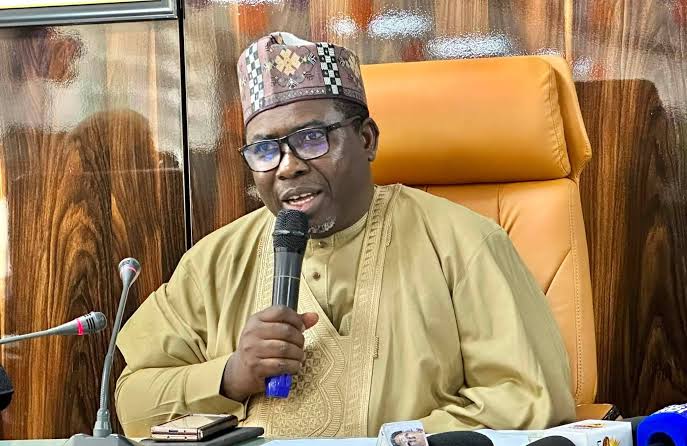
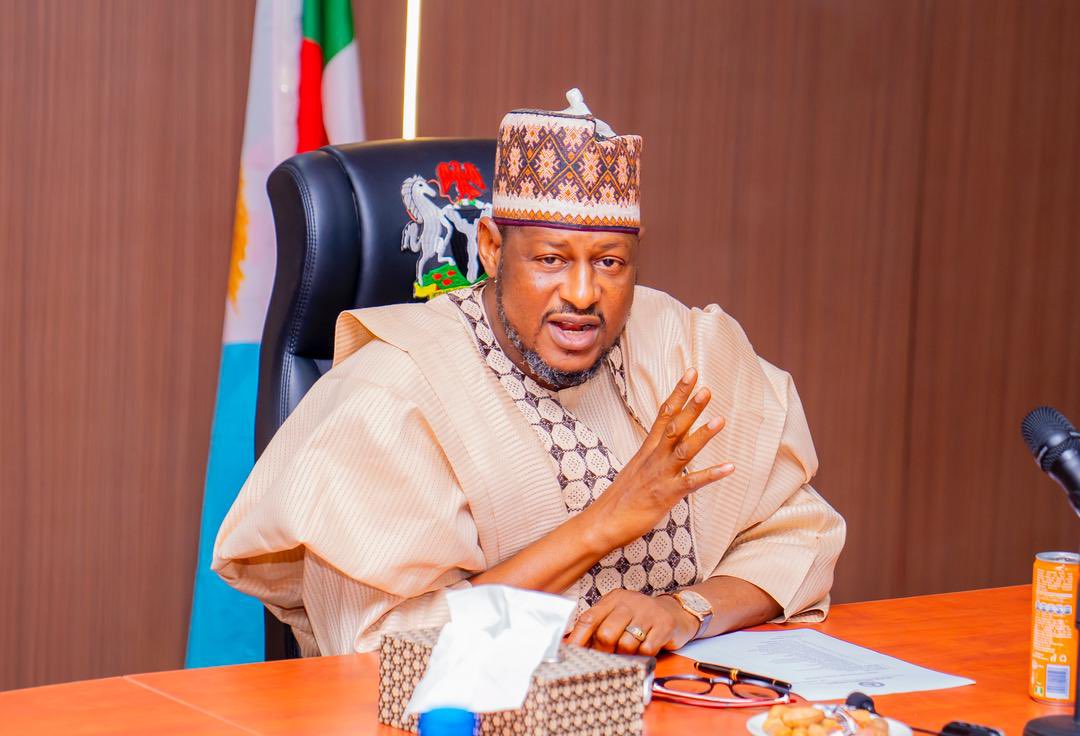
Katsina State Governor, Malam Dikko Umaru Radda, has declared that his administration will no longer rely on guesswork in planning and implementing development programmes, stressing that credible data will guide resource allocation and improve service delivery across the state.
Radda stated this in Katsina while launching a general household survey covering all 34 Local Government Areas, alongside key strategic development documents designed to strengthen governance and address the needs of residents.
The documents include the Katsina State Development Plan, State Social Protection Policy, State Nutrition Policy, Multi-Sectoral Strategic Plan of Action for Food and Nutrition, General Household Survey Report and State Statistical Yearbook.
Represented by his Deputy, Faruk Lawal Jobe, the governor said the household survey provides comprehensive information on poverty, employment, livelihoods, agriculture, education, healthcare, housing, water, sanitation and access to basic services.
He said the availability of reliable data would enable the government to target interventions based on evidence rather than assumptions, while objectively measuring the impact of its policies and programmes.
He said: “Government would increasingly target interventions based on evidence rather than assumptions. The data would help determine areas requiring greater attention and ensure that resources were deployed where they would have the greatest impact.”
Radda explained that the State Development Plan would serve as a roadmap for sustainable development, with priority areas including agriculture, education, healthcare, infrastructure, industrialisation, environmental sustainability, digital innovation, security, good governance and youth empowerment.
He said the administration had already invested significantly in education and healthcare through facility upgrades, provision of medical equipment, recruitment of health workers, construction of Smart Schools and employment of teachers.
The governor also said improved security had enabled farmers in several parts of the state to return to their farms and economic activities to resume, although isolated attacks persisted in some areas.
On social protection, Radda disclosed that more than 50,555 beneficiaries had benefited from the state’s Zakat programme, with over N1.9 billion mobilised to support vulnerable households.
He added that more than N1.7 billion had been invested in nutrition interventions, alongside a N500 million counterpart fund to strengthen nutrition outcomes in the state.
The Commissioner for Budget and Economic Planning, Malam Malik Anas, said the household survey would strengthen planning and budgeting, urging Ministries, Departments and Agencies to align their programmes with the newly launched frameworks.
The Statistician-General, Prof. Saifullahi Sani Ibrahim, said the survey showed improvements in several development indicators while identifying areas requiring sustained intervention.
He stressed the importance of reliable and regularly updated statistics in enabling government to assess development trends and measure the effectiveness of its interventions.
The United Nations Children’s Fund (UNICEF) commended the state government for strengthening evidence-based planning and pledged continued support in data systems, nutrition, health, education, social protection, water, sanitation and hygiene.