Follow Us on Google
From Okwe Obi, Abuja
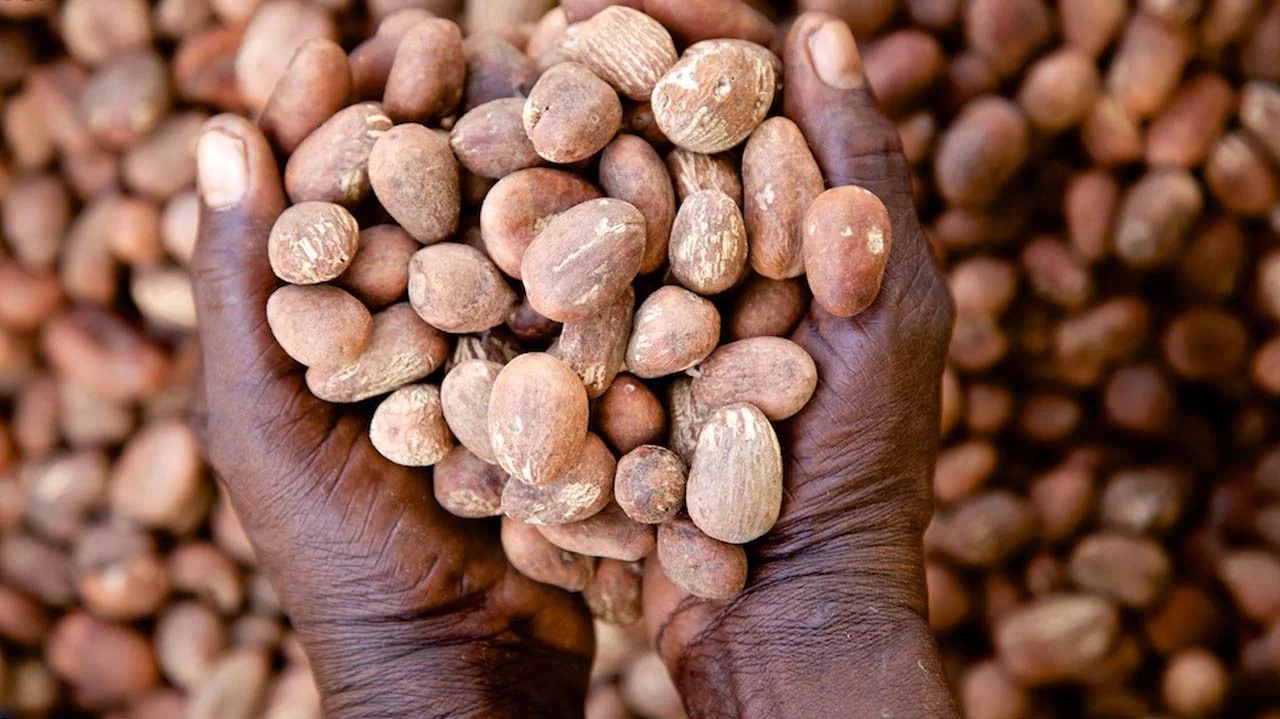
The Federal Government’s decision to ban the export of shea nuts has sparked outrage among stakeholders who argue that the move threatens livelihoods and undermines one of Nigeria’s most lucrative non-oil exports.
Nigeria is ranked among the world’s leading exporters of shea butter, second only to China, with the shea tree cultivated in about 21 states. Beyond its role in cosmetics and skincare, shea nut also plays a critical part in global food processing industries, making it a highly sought-after commodity.
Last month, President Bola Tinubu approved a six-month ban of raw shea nuts export to curb what he termed ‘informal trade of the product’.
He added that the move will also protect local procaessors and reposition Nigeria’s shea industry for greater value addition.
Tinubu, through Vice President Kashim Shettima, explained that the temporary measure, subject to review, aims to boost the shea value chain and generate up to $300 million annually in the short term.
“This is not an anti-trade policy but a pro-value addition policy. The goal is to supply our factories with raw materials, run them at full capacity, and create jobs for our people. Nigeria produces nearly 40% of global shea, yet accounts for only 1% of the $6.5 billion market. That is unacceptable,” he said.
But the National Shea Product Association of Nigeria (NASPAN), faulted the reasons given by the government for the temporary ban, noting that Nigeria lacked the necessary storage facilities to store the nuts, for the long period of time.
NASPAN’s President, Mohammed Ahmed Kontagora, told journalists in Abuja, the decision would also question the true intention of the government in terms of bilateral trade.
Also, he said most traders who got money from banks to ship the nuts to other countries would find it difficult to repay their loans on record time.
Therefore, Kontagora suggested that the Federal Government should grant at least 60 days window on implementation of the ban on exportation of Shea nuts, to enable stakeholders prepare to the decision.
According to him, the immediate implementation “will negatively affect players in the industry, saying that investors could lose billions of naira if the ban is implemented immediately.
“Intervention in placing an immediate ban on the export of Shea nut/kernel from Nigeria. This policy is not only strategic, but also critical in repositioning Nigeria as the global leader in Shea competitiveness.
“While members appreciate the benefits and prospects of this pronouncement, the sudden announcement of the policy has created serious dislocations for aggregators, who have acquired huge stocks of Shea nuts amounting to billions of naira, in readiness for export before the pronouncement.
“Relieved that this is a temporary ban, allowing for reviews and remedies, members strongly appeal to the federal government to grant a 90-day window to enable all Shea nut traders with verifiable contracts or loan offers to discharge their contractual obligations within this period.
“Aggregators with evidence of legally binding contracts made before the policy change should be allowed to complete those transactions under a regulated framework,” he said.
A member of the Small Scale Women Farmers Organization of Nigeria (SWOFON), Nkechi Emmanuel, said the government failed to realized the negative implications of the shea huts ban, arguing it would lead to job losses.
Emmanuel explained that processors would be forced to reduce their workforce because the patronage would automatically drop.
“The government may have a good decision to ban shea nut, but the timing is wrong. This is because processors or farmers would drop some workers because of low patronage. I think the government should be happy that other countries are running after our shea nuts.
“The ban is not necessary because those countries patronizing us will look for other alternatives. And when they notice that other countries are willing to sell nuts cheaper than what we sell, the market will be gone. The government should review the decision and continue with its reforms.
“Already, farmers are already crying. Those who collected loans from banks are lamenting because of their inability to export. Where are the storage facilities for them to keep the nuts? The decision was too fast.
“You heard the Minister of Agriculture and Food Security, Abubakar Kyari, when, he declared that Nigeria is losing about N3.5 trillion to post-harvest losses.
“When this export ban, the amount will double. I am sure by then the government will put modalities in place before taking certain decisions,” she said.