Follow Us on Google
By Olakunle Olafioye
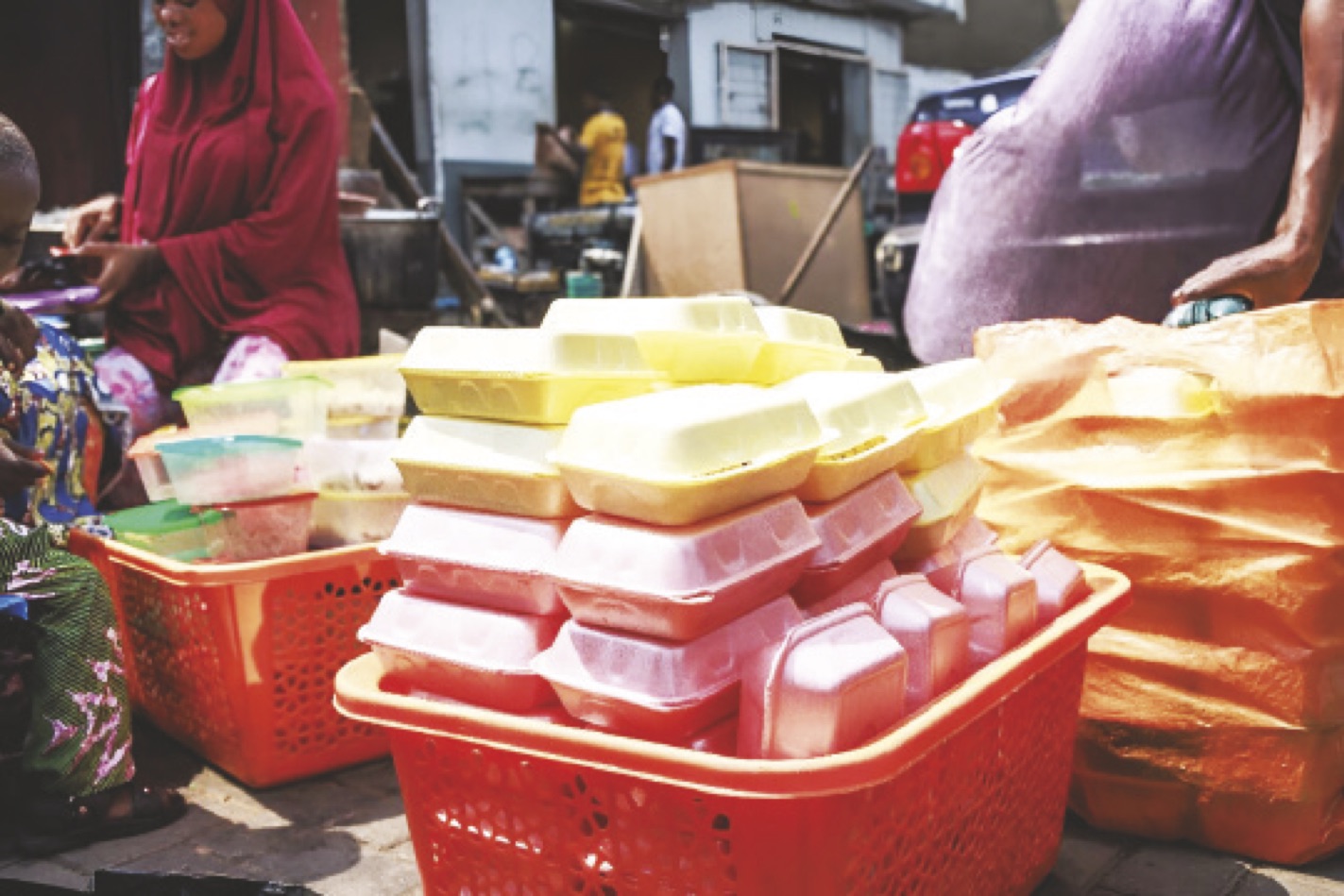
With the Lagos State government’s decision to ban the use of polystyrene (styrofoam) and other single-use plastics in the state, it appears the state is now set to combat one of the major contributors to the ozone layer depletion.
There have been spirited efforts in several parts of the world in the past decades to phase out materials in an early ban of polystyrene intended to halt its negative impact on the ozone layer.
But of more concern to the Lagos State government is the impact of styrofoam on the infrastructure in the state, as well as the health of the residents.
Announcing the ban, the state’s Commissioner for the Environment and Water Resources, Tokunbo Wahab, through his official X handle said that the ban would help curb the harmful effects of single-use plastics on the environment in the state.
“Following the menace of, and the harmful effects, which single-use plastics, especially non-degradable styrofoam, are causing on the environment, the Lagos State government, through the Ministry of the Environment and Water Resources, is hereby announcing a ban on the usage and distribution of styrofoam and other single-use plastics in the state with immediate effect,” he said.
The state government later explained that styrofoam, because of its non-degradable nature, is notorious for clogging drainages and water channels in the state, causing water to spill on roads.
The spillages, the state government noted, lead to damage of the roads when heavy duty vehicles move on them.
An environmentalist, Shina Abodunde, described styrofoam as a chief contributor of micro-plastics from both land and maritime activities. “Polystyrene is not biodegradable, but is susceptible to photo-oxidation, and degrades slowly in the ocean as microplastic marine debris. Animals do not recognize polystyrene foam as an artificial material, may mistake it for food, and show toxic effects after substantial exposure. And when human beings eat them, the toxic effect is automatically transferred to the person,” he said.
Environmentalists who believe that the move is a worthy cause are, however, sceptical about whether the state government would be able to muster the courage needed to fight the battle to its very end.
They are even more uncertain if other states in the country would follow suit, a policy they believe would go a long way in stemming the hazardous impact of the material on the environment.
Abodunde noted that since the decision was likely to impinge on the economic life and activities of some people in the country the certainty of the state government succeeding in the ban of styrofoam in the state hangs in the balance.
“If a country like China could ban the use of polystyrene containers and tableware in 1999, but later revoked the policy in 2013 following intense industry lobbying, I doubt if Nigeria, or any other state in Nigeria will be able to sail through with the idea,” he reasoned.
Already those affected by the ban have expressed anger over the development, accusing the government of deliberately setting a bobby trap for the manufacturers and dealers in the product.
A dealer, Mrs Gloria Osagie, said that the ban came too suddenly on the dealers as many of them have just restocked after the Yuletide sales.
“What stopped the government from making the announcement around September or October last year? If they had done that we would have factored that into our plan ahead of the Christmas and the New Year sales by making reduced order for just the festive period. But now that we have new stock, it’s when they came with the ban. It seems the Lagos State government takes delight in ruining people’s means of livelihood,” she said.
A food vendor, Jemilat Bello, said that the ban is a major source of worry to her as it is capable of slowing down her business.
“A lot of people who prefer to buy and take their food along with them patronise me because they know that they will get the takeaway plate from me at no cost. It’s very cheap, costing only N50. Someone who has just N500 to eat can conveniently spare N50 to buy it. But now that the government has decided to phase it out, the people will have to spend between N150 to N200 on the plate alone, depending on the size they want. It means they will have to reduce the amount of food they wish to buy because of the container that they may have to dispose of immediately,” she said.
Meanwhile, the Lagos State government has insisted that it would not backtrack on the ban on the usage and distribution of styrofoam in the state.
The government made its position on the matter known at a consultative meeting of the state government with the representatives of the Manufacturers Association of Nigeria (MAN) and Restaurant and Food Services Proprietor Association of Nigeria (REFSPAN) at the Alausa Secretariat.
The two associations of Nigeria had appealed to the state government to allow their members more time to exhaust their existing stock before the commencement of the enforcement of the ban.
The Commissioner for Environment and Water Resources, who made the government’s stance known, noted that enough damage had been done already to the health of the people and the state environment.
He pointed out that the only moratorium that the state was willing to offer all producers and distributors of styrofoam was to delay the commencement of enforcement of the ban by three weeks.
“Three weeks is enough time for the products already in the state to be exhausted if indeed the stockists are committed.
“You will all agree with me that for over three years this conversation has been ongoing, waiting for when the big bold step of enforcement will be taken”, he said.
He explained that the ripple effect of styrofoam on the health care system is enormous, stressing that manufacturers’ appeal to put the ban on hold is like wanting people to take poison for a longer time to mitigate their commercial losses.
He maintained that the havoc and destruction caused to the public utility by this product during and after the rainy season is unimaginable, emphasising that if the producers had been responsible enough to respect the law, the government would not have had to wade into the matter.
According to him, the government is putting a human face to this ban by giving a three-week moratorium to producers and entrepreneurs in the hospitality business and must bear in mind that leadership and governance involve making tough decisions.
He said that producers have a responsibility to the society, but none has taken steps to be responsible by conducting an environmental impact assessment before commencement of production for public use.
He said that the conversation about other types of single-use plastics will continue until a workable solution is reached leading to its ban.