Follow Us on Google
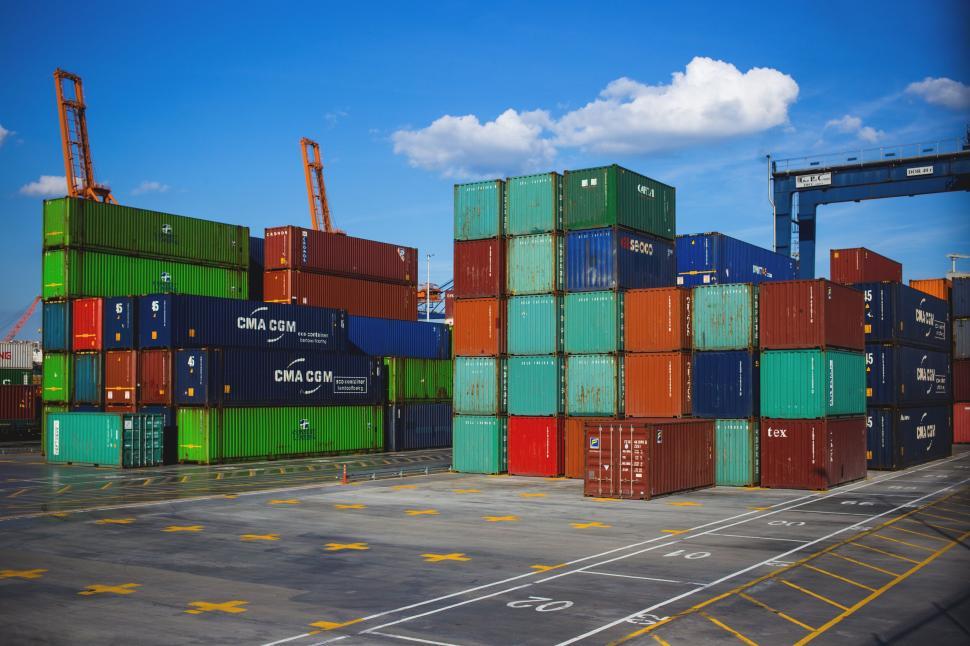
The Africa Association of Professional Freight Forwarders and Logistics of Nigeria (APFFLON) has described the country’s maritime and logistics sectors as the worst-affected areas, as unstable electricity supply continues to disrupt cargo handling, warehousing, cold-chain logistics, manufacturing and transportation.
The association lamented that the erratic power supply resulted in higher operating costs and increased prices of goods for Nigerian consumers.
The association also challenged the Minister of Power, Joseph Tegbe, to urgently translate his recent assurances on electricity reforms into visible improvements in power supply, warning that Nigerians have heard enough promises and now expect measurable results.
Reacting to the minister’s recent remarks on the federal government’s plans to reposition the power sector, APFFLON said that the real test of leadership will not be policy announcements or public speeches but the availability of reliable electricity to homes, industries, ports and businesses across the country.
In a statement signed by its National President, Otunba Frank Ogunojemite, the association described Nigeria’s electricity crisis as one of the greatest obstacles to economic growth, industrialisation and investment.
“No nation can build a globally competitive economy while operating in darkness. Stable electricity is not a luxury—it is the foundation upon which industries grow, investors gain confidence, jobs are created, and businesses flourish,” he said.
He noted that despite years of reforms and billions of naira invested in the sector, businesses continue to depend on expensive diesel and petrol generators, making production costs among the highest in Africa.
According to him, the maritime and logistics sector remains one of the worst affected, as unstable electricity continues to disrupt cargo handling, warehousing, cold-chain logistics, manufacturing and transportation, resulting in higher operating costs and increased prices of goods for Nigerian consumers.
Other News
“The cost of inadequate electricity is being paid daily by manufacturers, freight forwarders, importers, exporters and ordinary Nigerians. Businesses are shutting down, investors are relocating to countries with more reliable infrastructure, and unemployment continues to rise,” he said.
While congratulating Hon. Joseph Tegbe on his appointment, APFFLON said his emergence presents an opportunity to reverse decades of poor performance in the power sector.
“The minister has an opportunity to leave a lasting legacy. Nigerians will judge this administration not by the number of conferences held or policies announced but by whether electricity becomes stable, affordable and accessible,” the association said.
However, the association urged the minister to engage manufacturers, freight forwarders, investors, engineers, electricity distribution companies, generation companies and other stakeholders in developing practical solutions capable of delivering sustainable improvements.
APFFLON maintained that Nigeria possesses the resources, technical expertise and human capacity to achieve reliable electricity if there is sufficient political will, transparency, accountability and effective implementation.
“The success of Nigeria’s economy, manufacturing sector, maritime industry and the implementation of the African Continental Free Trade Area (AfCFTA) depends heavily on stable electricity. Every day power supply fails, Nigeria loses investments, jobs, productivity and global competitiveness,” the association noted.
The association therefore called on the federal government to declare the electricity sector a national economic priority and ensure that the minister’s commitments are backed by concrete action and measurable timelines.
“The time for explanations has passed. Nigerians deserve results. Reliable electricity remains the missing link to economic transformation, efficient ports, thriving industries and sustainable national development,” the association noted.