Follow Us on Google
By Henry Uche
The Centre for Infrastructural and Technological Advancement for the Blind (CITAB) has asked the Federal Government of Nigeria to invest a good portion of revenue from taxes into the disability community across Nigeria, including individuals with visual, hearing, mobility, cognitive, and psychosocial disabilities. This comes as the new tax laws take effect from 1 January 2026.
In a statement delivered by CITAB’s Executive Chairman, Comrade Jolomi George Fenemigho, he commended the Federal Government’s reforms aimed at strengthening revenue collection and alleviating the tax burden on low-income earners.
Fenemigho highlighted the urgent need for specific tax revenue allocations to support social programmes and initiatives that address the diverse needs of persons with disabilities. “Taxation is not solely about collecting resources, but about distributing them to uplift every citizen,” he stated. “We call on the government to ensure that a share of these funds meaningfully supports all Nigerians with disabilities, whether by subsidizing assistive devices, improving accessible infrastructure, or investing in inclusive education and employment.”
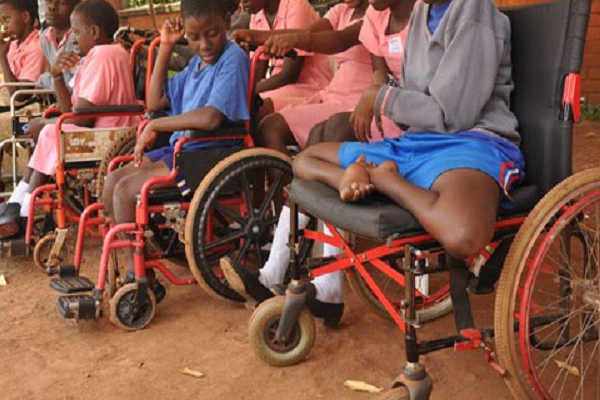
At present, he said, essential tools such as wheelchairs, hearing aids, screen readers, communication devices, and accessible public transportation remain prohibitively costly or unavailable for many Nigerians with disabilities. He noted that CITAB believes that dedicating tax revenues to comprehensive government-backed subsidies and programmes could help remove these barriers, opening the door to greater independence, opportunity, and participation for all.
To this end, he outlined the following key recommendations for the implementation of the 2026 tax framework.
Subsidisation of assistive technologies
Introduction of a dedicated fund, drawn from tax revenues, to make a wide range of assistive technologies both affordable and accessible, including mobility aids, hearing and visual devices, communication tools, and more.
Other News
Secondly, an exemption on disability-related imports
Complete removal of Value Added Tax (VAT) and customs duties for all imported equipment, devices, and adaptive technologies designed for persons with any form of disability.
Also, accessibility compliance across public services
As government services and tax systems become increasingly digital and automated, it is critical that all platforms, facilities, and communication channels be designed with accessibility in mind for people with all types of disabilities.
Similarly, incentives for inclusive employers
Tax credits and incentives for companies providing accessible workplaces and demonstrating clear commitment to hiring and supporting persons with disabilities, regardless of their particular needs.
Comrade Fenemigho added, “We applaud the exemption of Nigerians earning ₦800,000 or less from personal income tax, but we must also recognize the extraordinary cost of disability that millions face daily. By dedicating tax revenues to inclusive support for all persons with disabilities, the government invests not only in fairness, but in unleashing the full potential of every Nigerian. We are ready to build and contribute when we have equitable access to the right resources.”