Follow Us on Google
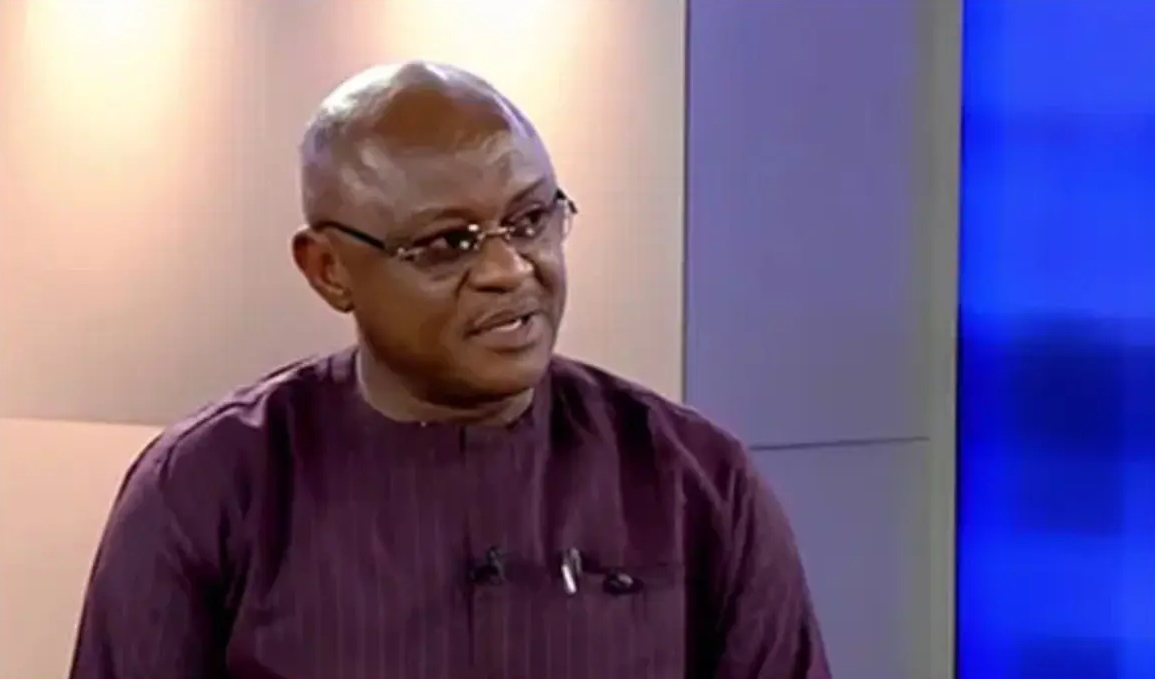
The National Chairman of the New Nigeria Peoples Party (NNPP), Dr Agbo Major, has dismissed allegations that the ruling All Progressives Congress (APC) is responsible for the internal crises rocking opposition political parties, saying disagreements are a natural feature of democratic politics.
Major was reacting to suggestions that the crisis in the NNPP, which coincided with leadership disputes in other opposition parties, including the Peoples Democratic Party (PDP) and African Democratic Congress (ADC), could have been part of an alleged strategy to weaken the opposition ahead of the 2027 elections.
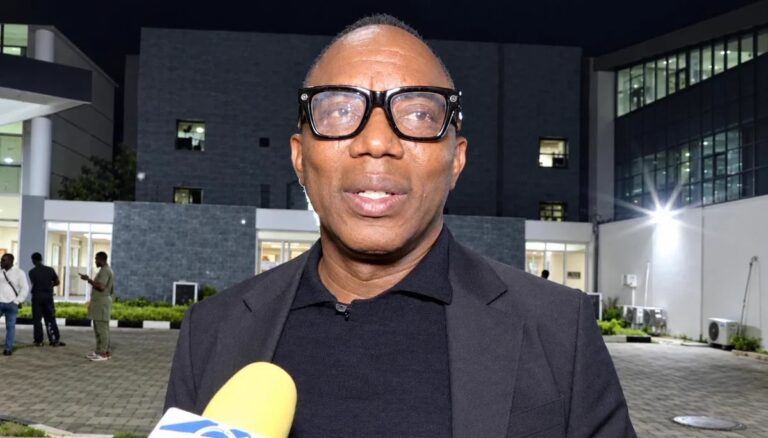
Major, who spoke in an interview on AIT’s Political Platform on Tuesday, said he would not make such an allegation without verifiable evidence, insisting that the NNPP’s crisis was largely the result of internal disagreements and competing interests.
“I have always told people that if you find a political party that is completely crisis-free, that is not a political party,” he said.
According to him, politics is fundamentally about interests, although such interests are often wrongly interpreted as selfish personal ambitions instead of the collective interests of the people.
“If you have four people and the likelihood of the four of us agreeing is not there, then that becomes a crisis. So, it is expected; it is normal,” he said.
He, however, said he could not speak for other parties but was certain that the federal government was not responsible for the NNPP’s internal problems.
“Was it the government that asked Kwankwaso to engineer his followers within the NWC to purportedly expel the founder of the party when the constitution says that the founder cannot be expelled?” he asked.
The NNPP crisis intensified following the entry of former Kano State Governor Rabiu Musa Kwankwaso and the Kwankwasiyya political movement into the party ahead of the 2023 general elections.
Kwankwaso’s emergence transformed the NNPP’s political fortunes, particularly in Kano, where the party won the governorship with Abba Kabir Yusuf. However, the relationship later deteriorated, resulting in competing factions, leadership disputes, and legal battles.
Major said the party’s disagreement with Kwankwaso was rooted in concerns that the former governor was becoming “overbearing” and attempting to sideline ordinary members from the party’s decision-making process.
He also rejected the perception that the NNPP’s political relevance was dependent on Kano, arguing that the party had an established political base in Bauchi before Kwankwaso’s arrival.
According to him, the party had won a senatorial seat in Bauchi and was gradually building towards greater political relevance before its attention shifted to Kano.
Other News
“If we had been allowed to consolidate, and if the Kwankwaso and Kwankwasiyya factor did not come in to distract us and take our attention to Kano, the story might have been different,” he said.
On the party’s preparation for the 2027 elections, Major explained why the NNPP submitted a placeholder for the presidential ticket.
He described the practice as normal, claiming that more than 65 per cent of Nigeria’s registered political parties had adopted placeholders.
According to him, placeholders allow parties to meet electoral deadlines while providing an opportunity to identify more viable and marketable candidates before the substitution window closes.
Major said the NNPP was particularly constrained by time because the Independent National Electoral Commission (INEC) recognised his leadership only about a week before the deadline for uploading presidential and National Assembly candidates.
He said the party requested an extension, which was initially rejected before INEC eventually granted a three-day extension.
“Any party that is smarting up from crisis, you don’t expect that within that short period would have done the magic of throwing up candidates that you can adjudge as the best,” he said.
He explained that the party opted for placeholders for some positions with the expectation of replacing them with stronger candidates when the substitution window opened.
On the NNPP’s prospects following the loss of its political grip in Kano, Major insisted that the party would not limit its ambitions to the state.
“I don’t want to reduce my party to Kano,” he said, arguing that political parties must gradually build structures across different states.
Major also maintained that the NNPP had candidates capable of competing effectively in 2027.
“We have candidates that are marketable. We have people who are attractive. We have people who are well endeared to the voters,” he said.
He said the party is focused on rebuilding its structures, expanding its reach beyond Kano and presenting credible candidates capable of challenging for elective offices in the 2027 general elections.