Follow Us on Google
From Jude Owuamanam, Jos
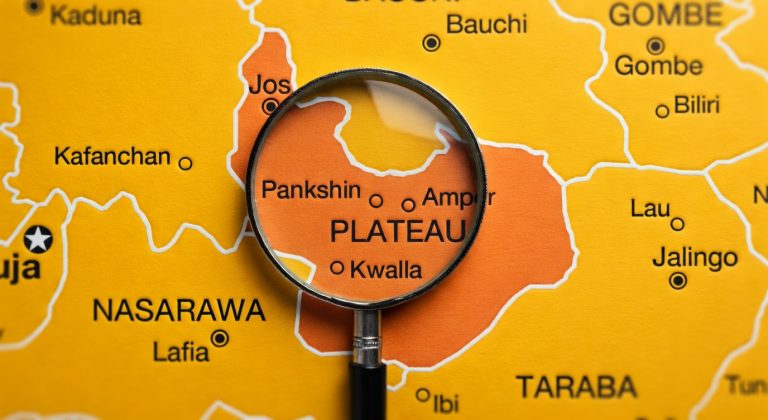
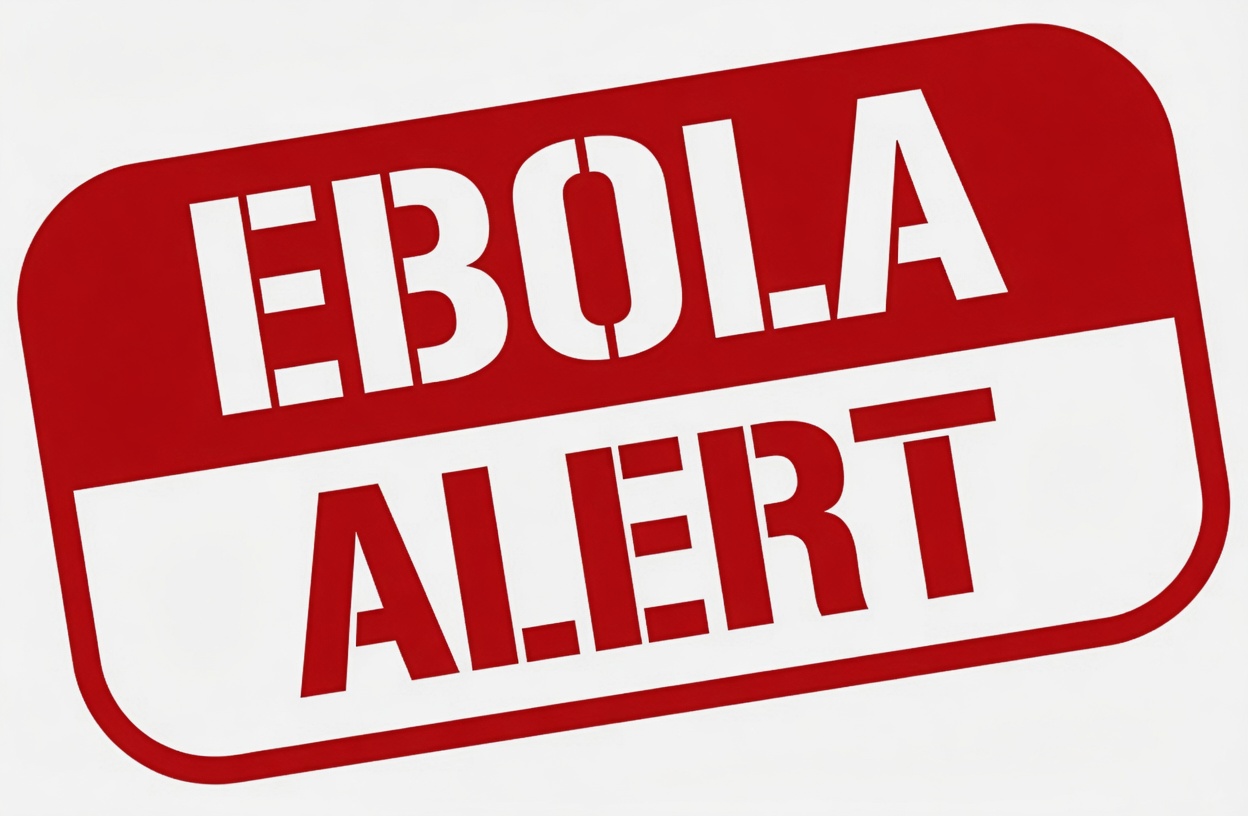
The Executive Secretary of the Plateau State Health Management Board, Dr Raymond Juryit, has expressed the readiness of the state to contain any eventual outbreak of the dreaded Ebola disease.
Speaking at a one-day Stakeholders’ Engagement and Media Advocacy Meeting on Community-Led HIV and Malaria Services in Plateau State in Jos, Juryit, who was represented by the Director of Disease Control and Immunisation, Dr Yakubu Dauda Izang, said this involved informing all staff, including disease surveillance and notification officers and epidemiologists, on early preparedness as well as sensitising communities on hygiene and prompt notification of any signs of illness.
He expressed the need for communities to be more involved in the surveillance of communicable diseases, saying that the Integrated Community-Led Monitoring (ICLM) initiative aims to ensure that people do not die from preventable diseases such as tuberculosis and HIV by encouraging community members to support their local health facilities.
Juryit said, “The board is 99.9% prepared for potential outbreaks like Ebola. We have already put our staff on notice for early surveillance and containment of not only Ebola, but other communicable diseases.”
Speaking on the success recorded in malaria control in Plateau State, he said the state has achieved significant success in controlling the disease, ranking second only to Lagos State in terms of low prevalence and positivity testing rates.
He attributed the success to partnerships with non-governmental organisations (NGOs) and community-based organisations (CBOs), stressing that the board had been able to address past challenges in the control of communicable diseases through improved drug availability, leading to a significant drop in the incidence of HIV, tuberculosis and malaria cases.
“NGOs have played a crucial role in raising community awareness about communicable diseases like malaria, TB, and AIDS, resulting in greater community ownership and improved access to treatment facilities.”
Also speaking at the event, the National Programme Manager, Global Fund/IHVN/TB Network AIDS, TB and Malaria Integrated Community-Led Monitoring Project, Cecelia Kafran Abimaje, and the Plateau State Programme Officer, Peter Ezekiel, stressed the need for communities to understand that health is everyone’s concern and not solely the government’s responsibility.
According to Abimaje, civil society organisations, including the TB Network, are ready to support the Nigeria Centre for Disease Control and Prevention (NCDC) in pandemic preparedness, drawing on experiences from COVID-19.
Other News
She emphasised the role of community members as first responders and the importance of timely information dissemination and partnership with the government.
The national programme manager said, “Integrated Community-Led Monitoring (ICLM) aims to ensure people don’t die from preventable diseases like TB and HIV by encouraging community members to support their local health facilities.”
She identified a shortage of permanent staff, inadequate publicity and lack of advocacy as factors aiding the spread of communicable diseases, stressing that many people are unaware of the symptoms of diseases such as TB, leading to self-medication or reliance on traditional remedies that can worsen their condition.
On his part, the Programme Officer for Plateau State, Peter Ezekiel, decried the high occurrence of malaria and TB co-infections among HIV patients in the state, stressing that co-infection could make a disease more severe and potentially more infectious.
He said, “HIV/AIDS, tuberculosis, and malaria are diseases that demand consideration due to the disproportionate effect on individuals due to socioeconomic inequality and abject poverty. While the motivations of the international community to support addressing the diseases include pragmatic concerns of international security, economic prosperity, and domestic health status, they must ultimately include the ethical responsibility to address inequalities.
“Adequate attention to the systemic forces underlying these infections thus necessitates corresponding systemic solutions. Socioeconomic demographics influence the prevalence of malaria, HIV, and TB infection; the diseases are poverty-related, with the poorest populations most vulnerable due to poor access to health facilities, information, and education.”
The programme manager of the TB Network, Mr Daniel Mancha, described the media engagement as timely given the prevalence and spread of these communicable diseases, especially among the rural poor.
He advocated greater community participation in efforts to contain the spread and eventually achieve the eradication of the diseases.
The project is being executed under the Global Fund GC7 Integrated Community-Led Monitoring (CLM) Project for HIV/AIDS, Tuberculosis and Malaria. Participants included health professionals, media practitioners and community-based organisations involved in HIV/AIDS, TB and malaria eradication projects.