Follow Us on Google
From Jude Owuamanam, Jos
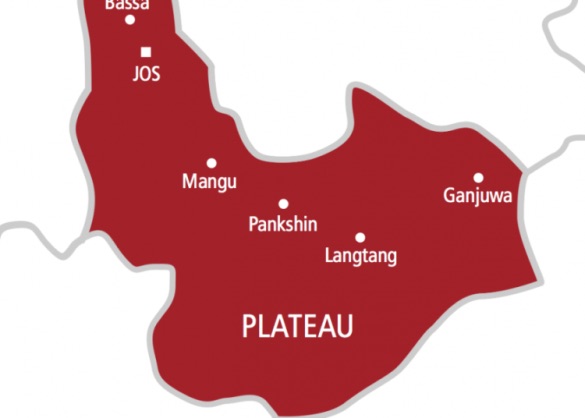
Landmark agreements have been signed between herders and farmers in two local government area of Plateau state to strengthen inter-ethnic cooperation and cohesion and lesson the spate of farmer/herder clashes in the areas.
The deal, which is between resident of Sha in Bokkos, Bum in Riyom and Sopp also in Riyom local government councils, is aimed at checkmating rampant incidents of clashes between the two dominant groups in the communities.
A total of 25 agreements were signed between farmer and herder communities and facilitated by women, youth actors and members of disadvantaged groups
The peace deal, which was brokered by the Institute for Integrated Transitions (IFIT), with funding from German GIZ Peace Core ll project as part of the BMZ’s Nigeria Cooperation, came after a six-month rigorous interaction between the farmers and herders on possible triggers of the clashes.
The deal covered such areas as deliberate damage to farms and the destruction of crops, determining appropriate compensation for crops destroyed/encroached, locking and closure of cattle routes and watering points, raping of women, provocative utterances and harassment, grazing by young children causing damages to crops and collective Accusations and labelling of entire ethnic groups over criminal activities.
Other areas of the agreement included implementing compensation claims, violent reactions over disagreements during grazing and farming activities in the fields, drug and substance abuse and kidnappings.
The deals were cemented at a learning and exchange workshop on building social cohesion in rural communities in Plateau state held at the Novel Hotel and Suites.
Speaking on the occasion, the IFIT Country Director, Thomas Bimba, Jnr, said that the institute facilitated negotiated settlements of disputes between farmer and herder communities in six rural communities of Riyom and Bokkos LGAs of Plateau State by leveraging and strengthening the leadership capacities of women, youth actors and members of disadvantaged groups at the community level such that they have a platform and capacity to co-facilitate negotiated settlements.
According to him, the project was initiated due to the increasing violence in rural communities in the Plateau states with the primary goal of addressing and reducing the menace of farmer/herder conflicts.
He said that the idea was to use initiative by allowing the residents to drive the process themselves, meaning the organizers don’t impose solutions from the outside but rather work with communities to develop their own.
Senior Adviser, Institute for Integrated Transitions (IFIT), Dr. Seth Kaplan, said the organizers chose to focus on the Middle Belt region of Nigeria because it is considered the most ethnically and religiously diverse part of the country.
He said that achieving peace , stability and progress in the region are crucial for Nigeria’s future.
Keplan said the project is targeting Plateau and Nasarawa States for maximum impact by addressing conflict spillover.
He said, “Plateau state is highlighted as particularly important due to significant “spillover effects” of conflict. Stabilizing conflict there is seen as vital to prevent negative repercussions for Plateau itself,
Director General of the Plateau Peace Building Agency (PPBA), Julie Sanda, said that the project was part of multi-stakeholder Nature of peace building efforts involving numerous organizations and individuals, especially in a region like Plateau State with a history of conflict.
According to her, the agency’s primary role is to provide a framework for coordination, ensuring a comprehensive understanding of all peace building efforts to see the “picture of peace that is being built. Community engagement and social cohesion are central to the agency’s work and the specific project discussed.
“Beyond coordination, the agency focuses on ensuring the sustainability of peace building work, as many partner projects have deadlines and eventually end. We aim to build structures that can carry on the work even after partners leave.
She said that the agency emphasizes the importance of going to the communities, meeting with them, and empowering them to drive their own peace processes, as they are the ones living with the issues.
Yahoo Mail:
Plateau: Farmers, Herders in Bokkos, Riyom sign deal for peaceful co-existence
From Jude Owuamanam, Jos
Landmark agreements have been signed between herders and farmers in two local government area of Plateau state to strengthen inter-ethnic cooperation and cohesion and lesson the spate of farmer/herder clashes in the areas.
The deal, which is between resident of Sha in Bokkos, Bum in Riyom and Sopp also in Riyom local government councils, is aimed at checkmating rampant incidents of clashes between the two dominant groups in the communities.
A total of 25 agreements were signed between farmer and herder communities and facilitated by women, youth actors and members of disadvantaged groups
The peace deal, which was brokered by the Institute for Integrated Transitions (IFIT), with funding from German GIZ Peace Core ll project as part of the BMZ’s Nigeria Cooperation, came after a six-month rigorous interaction between the farmers and herders on possible triggers of the clashes.
Other News
The deal covered such areas as deliberate damage to farms and the destruction of crops, determining appropriate compensation for crops destroyed/encroached, locking and closure of cattle routes and watering points, raping of women, provocative utterances and harassment, grazing by young children causing damages to crops and collective Accusations and labelling of entire ethnic groups over criminal activities.
Other areas of the agreement included implementing compensation claims, violent reactions over disagreements during grazing and farming activities in the fields, drug and substance abuse and kidnappings.
The deals were cemented at a learning and exchange workshop on building social cohesion in rural communities in Plateau state held at the Novel Hotel and Suites.
Speaking on the occasion, the IFIT Country Director, Thomas Vimba, Jnr, said that the institute facilitated negotiated settlements of disputes between farmer and herder communities in six rural communities of Riyom and Bokkos LGAs of Plateau State by leveraging and strengthening the leadership capacities of women, youth actors and members of disadvantaged groups at the community level such that they have a platform and capacity to co-facilitate negotiated settlements.
According to him, the project was initiated due to the increasing violence in rural communities in the Plateau states with the primary goal of addressing and reducing the menace of farmer/herder conflicts.
He said that the idea was to use initiative by allowing the residents to drive the process themselves, meaning the organizers don’t impose solutions from the outside but rather work with communities to develop their own.
GIZ Representative, Seth Keplan, said the organizers chose to focus on the Middle Belt region of Nigeria because it is considered the most ethnically and religiously diverse part of the country.
He said that achieving peace , stability and progress in the region are crucial for Nigeria’s future.
Keplan said the project is targeting Plateau and Nasarawa States for maximum impact by addressing conflict spillover.
He said, “Plateau state is highlighted as particularly important due to significant “spillover effects” of conflict. Stabilizing conflict there is seen as vital to prevent negative repercussions for Plateau itself,
Director General of the Plateau Peace Building Agency (PPBA), Julie Sanda, said that the project was part of multi-stakeholder Nature of peace building efforts involving numerous organizations and individuals, especially in a region like Plateau State with a history of conflict.
According to her, the agency’s primary role is to provide a framework for coordination, ensuring a comprehensive understanding of all peace building efforts to see the “picture of peace that is being built. Community engagement and social cohesion are central to the agency’s work and the specific project discussed.
“Beyond coordination, the agency focuses on ensuring the sustainability of peace building work, as many partner projects have deadlines and eventually end. We aim to build structures that can carry on the work even after partners leave.
She said that the agency emphasizes the importance of going to the communities, meeting with them, and empowering them to drive their own peace processes, as they are the ones living with the issues.