Follow Us on Google
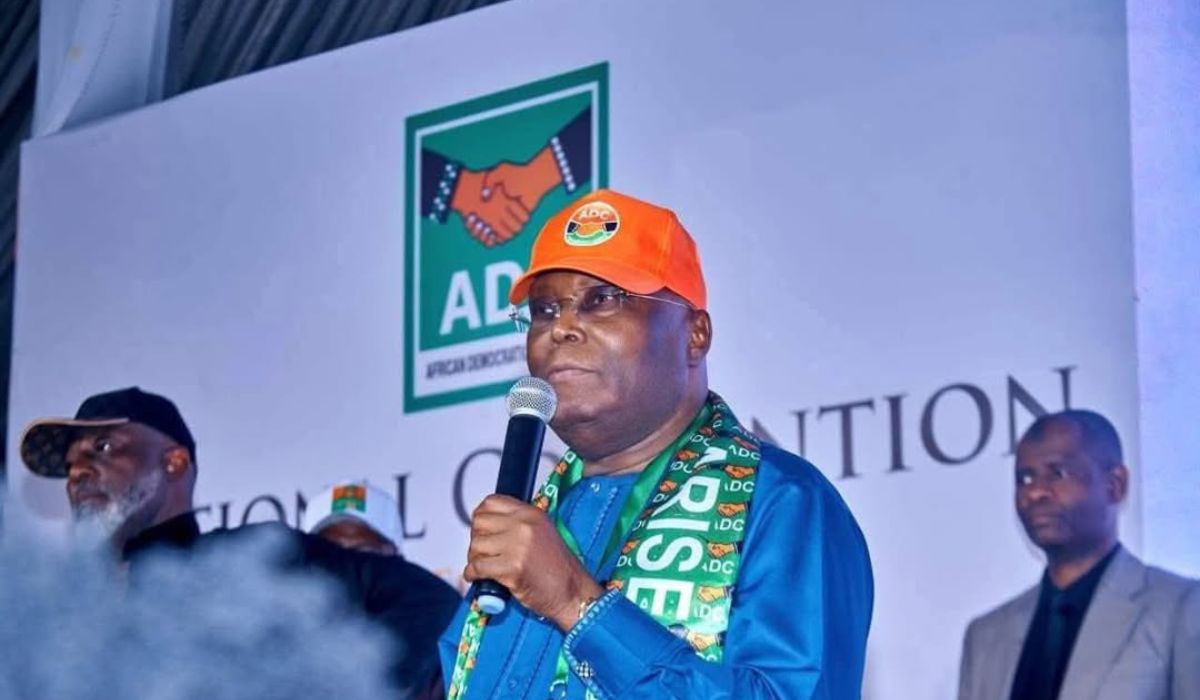
Former Vice-President Atiku Abubakar has accused the Federal Government of favouring petroleum investors with fiscal incentives while Nigerians continue to bear the impact of high petrol prices and rising living costs.
Atiku, the presidential candidate of the African Democratic Congress (ADC), made the allegation in a statement issued on Sunday by his Senior Special Assistant on Public Communication, Phrank Shaibu.
He criticised President Bola Tinubu’s declaration that petrol subsidy had been removed, arguing that the administration had continued to provide tax credits, concessions and other incentives to operators in the petroleum sector.
“Nigerians were told there was no alternative and that enduring this pain was the necessary price of economic reform. But when major oil investors knock on Tinubu’s door, the sermon changes.
“Suddenly, government intervention is good economics; tax credits are necessary; fiscal concessions are strategic; and private investment must be ‘de-risked.’ Apparently, subsidy is only evil when poor Nigerians benefit from it,” Atiku said.
The former vice-president cited the Federal Government’s deep offshore oil and gas projects incentives framework, which allows eligible petroleum projects to receive production tax credits of between $3 and $4.50 per barrel, with additional incentives potentially taking the total benefit to $11.50 per barrel under certain conditions.
“So, what exactly is Tinubu’s objection: government intervention itself, or government intervention for Nigerians?” he asked.
Atiku also questioned the government’s claim that petrol subsidy had been completely eliminated, citing NNPC Limited’s audited accounts, which he said recorded about N4.84 trillion in energy-security expenses and related shortfalls in 2023 and N7.13 trillion in 2024.
According to him, NNPC attributed part of the expense to the difference between the exchange rate used to determine the regulated PMS ex-coastal price and the prevailing exchange rate when import obligations were settled.
“So, where exactly did the subsidy go? If Nigerians were paying market prices because ‘subsidy is gone’, why was the Federation still carrying trillions of naira in under-recovery and energy-security costs?” Atiku asked.
He added, “Nigerians do not eat semantics. Whether the government calls it subsidy, under-recovery, shortfall or energy security, public resources were being used to bridge a gap between economic cost and the price at which petrol was sold.”
‘We’re not proposing old subsidy regime’
Atiku said his proposal to restore petrol subsidy if elected president in 2027 would not amount to a return to the former open-ended and opaque system.
He said his economic recovery plan would introduce a targeted, capped, transparently budgeted and independently audited intervention tied to domestic production, while expanding refining capacity, improving competition and restoring household purchasing power.
“You cannot subsidise capital and criminalise relief for citizens. You cannot offer cushions upstairs and call suffering downstairs reform,” Atiku said.
The former vice-president also demanded greater transparency over petroleum-sector tax credits, remissions and other incentives, including the beneficiaries, the value of revenue forgone by the government and the investments delivered in return.
He said Nigerian investors should have equal and transparent access to comparable incentives, stressing that economic reforms should ultimately be judged by improvements in citizens’ living standards.
Atiku’s latest criticism follows his announcement last week that he would restore petrol subsidy if elected in 2027. President Tinubu subsequently criticised the proposal, describing Atiku as “ignorant of governance and the economy”.