Follow Us on Google
- Warns fuel price may hit N2,000/litre
- Demands urgent steps to end insecurity
From Adanna Nnamani, Abuja
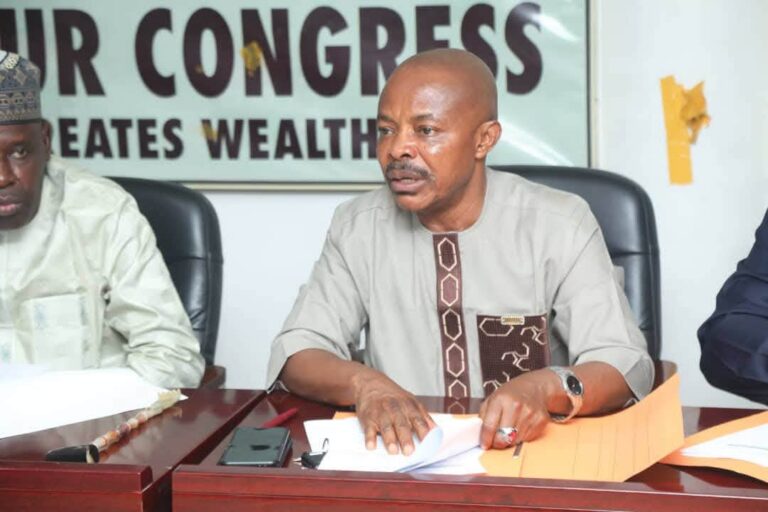
The Trade Union Congress of Nigeria (TUC) has called on the Federal Government to deploy excess crude oil revenue to subsidise local refineries as a way of cushioning the impact of rising fuel prices on Nigerians.
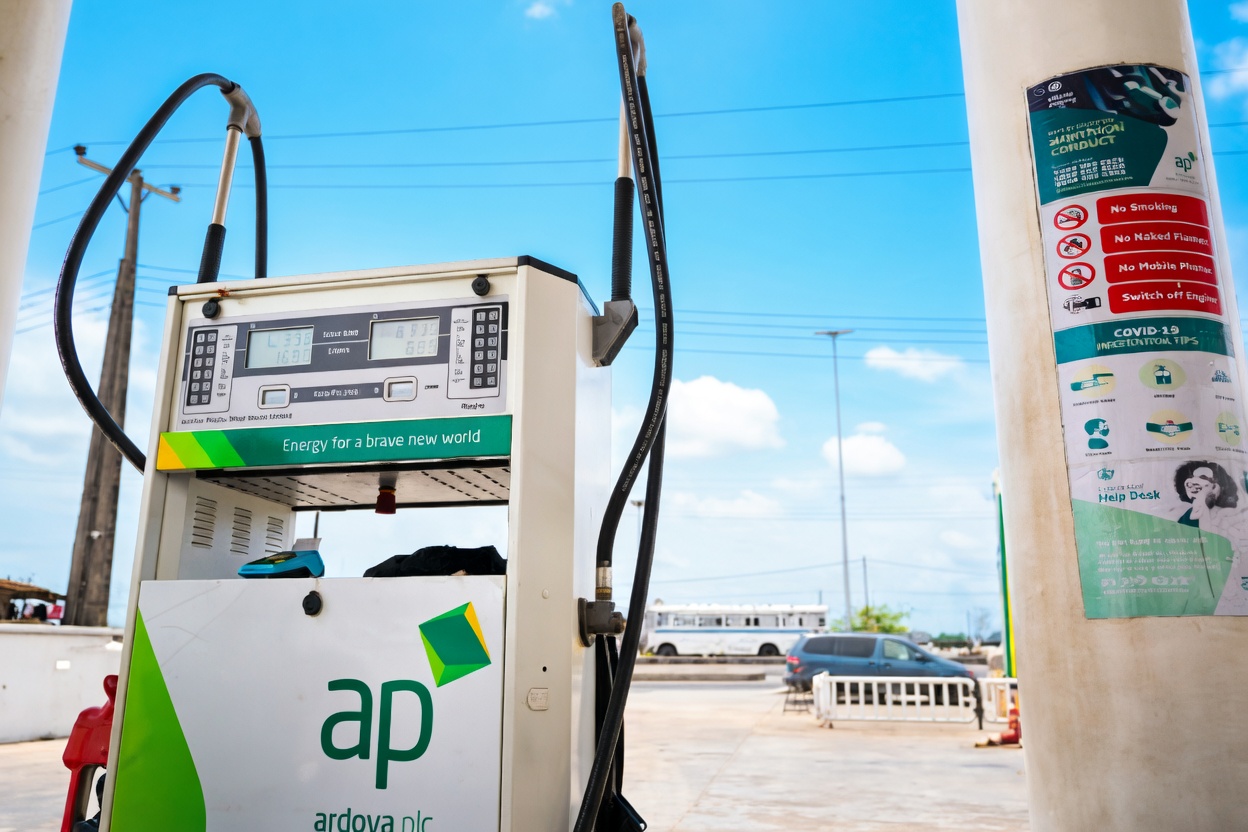
President of the Congress, Festus Osifo, who made the call during a press briefing in Abuja on Thursday, warned that the price of Premium Motor Spirit (PMS) could climb to as high as N2,000 per litre if urgent measures are not taken.
Osifo said the persistent increase in the pump price of petrol, driven by global crude oil price volatility and exchange rate challenges, has worsened the economic hardship faced by Nigerian workers.
The TUC leader attributed the surge partly to international developments, including tensions involving the United States, Israel and Iran, which have affected global oil supply dynamics.
Osifo also linked the rising cost of petrol to the depreciation of the naira, warning that the continued weakening of the currency is compounding inflationary pressures and reducing the real value of workers’ earnings.
To address the situation, the TUC president proposed that the government should utilise excess revenue generated when crude oil prices exceed the budget benchmark to support local refining.
He explained that with the 2024 budget benchmarked at $64.85 per barrel, any price above that threshold results in additional revenue shared by the three tiers of government, adding that at least 60 per cent of such excess funds should be channelled into subsidising crude supplied to domestic refineries, including the Dangote Refinery and other modular refineries.
He also urged authorities to take deliberate steps to stabilise the currency, noting that exchange rate stability would significantly reduce the cost of imported energy and other goods.
On the issue of domestic refining, Osifo maintained that even if government-owned refineries were fully operational, petrol prices might not significantly drop unless crude supply is subsidised.
He explained that the high cost of crude oil, if sold at international market rates to local refineries, would still translate into high pump prices.
He also reiterated the Congress’s support for the commercialisation of state-owned refineries, noting that reduced government interference could improve efficiency and profitability in the sector.
Additionally, the labour leader expressed concern over the slow pace of investment in Compressed Natural Gas (CNG) infrastructure, noting that while the policy is commendable, its impact will not be felt in the short term due to inadequate refuelling facilities across the country.
Other News
Speaking further, Osifo raised alarm over the worsening state of insecurity across the country, noting that the challenge has persisted for over a decade and continues to result in loss of lives. He said recent attacks in parts of the country highlight the urgency of decisive action, stressing that no meaningful development can take place in an unsafe environment.
The TUC president, however, commended the efforts of Nigeria’s security agencies, including the armed forces, police and intelligence services, noting that their sacrifices have prevented an even worse situation.
He, therefore, called on the government to provide modern equipment, intelligence and technological support to security operatives to enable them to confront insurgency and criminality more effectively.
According to him, strengthening national security must take priority, as it forms the foundation for economic growth, infrastructure development and social stability.
On labour matters, Osifo said workers across both public and private sectors are under intense pressure, adding that discussions around wage reviews and collective bargaining agreements are ongoing to reflect current economic realities.
He noted that while some private sector organisations review wages periodically, broader interventions are needed to protect workers from the impact of inflation and rising living costs.
The TUC said it would formally communicate its proposals to the Federal Government, including the Presidency, with a view to ensuring the prompt implementation of measures to ease the hardship facing Nigerians.
He said, “Today, the cost of petrol is heading towards N2,000 per litre, depending on the part of the country that you are in. It has deeply affected the purchasing power of the salaries that we earn as Nigerian workers.
“Let the government take that excess fund that was never budgeted for, take at least 60 per cent of it, and use it to subsidise the crude being supplied to Dangote Refinery.
“The same should be done for Dangote Refinery and all modular refineries, where crude is supplied to them at that subsidised rate.
“Take the difference from the excess crude revenue, take about 60 per cent of it, and use it to subsidise the price at which crude is supplied to the refinery.
“When you subsidise crude, it cannot be abused because you are subsidising production directly. When that is done, we are going to see an immediate reduction in the price of petroleum products.”