Follow Us on Google
By Phillip Nwosu
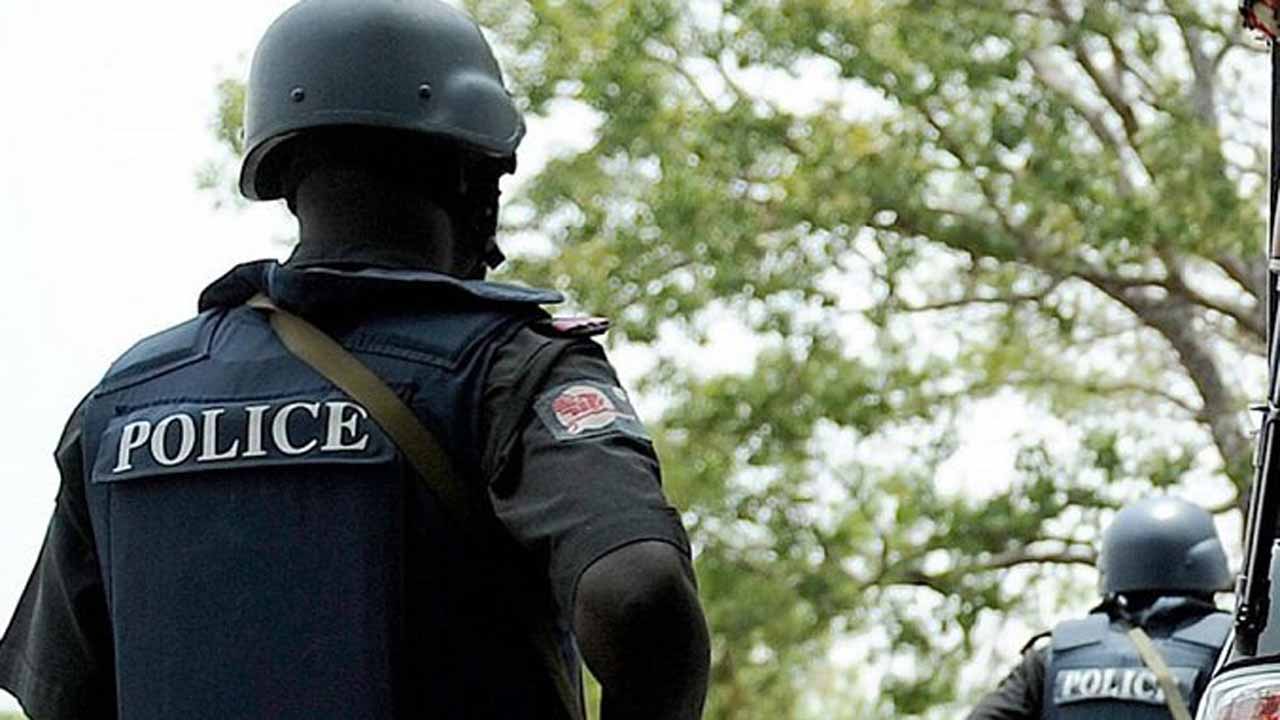
Against the backdrop of insecurity in the country, the Federal and State Governments have been urged to deliberately and intensively engage community folks in security designs and implementations to give them a sense of belonging and reasons for collaboration.
Rising from a two-day PCRC Monitoring Unit National Workshop titled “Collective Security and Community Synergy” in Abuja, participants commended the Inspector General of Police, Mr. Kayode Egbetokun for his community-oriented and intelligence-driven policing strategies, but drew attention to incidents of continued police brutality and incivility to members of the public in many areas, asking the IGP to address it permanently.
They also tasked MDAs like the Ministries of Police Affairs, Education, Information, Youth Development, Women Affairs, Police Service Commission, National Orientation Agency, to open channels of communication and collaboration with the PCRC National Headquarters, in order to reach the grassroots effectively with government’s safety and security policies, using culturally adaptable methods.
A communique from the event signed by the Secretary General, Academic Research Institutions, and Lead Rapporteur, Professor Theophilus Ndubaku and the National Coordinator PCRC Monitoring Unit, Amb. Austen Yong, called on Local Government Chairmen to collaborate with community–based security focused organizations, especially the PCRC and support PCRC monitoring unit outreaches, and establish Community Security Management Teams in all council areas in order to effectively monitor security situations in communities.
They also called for the expansion and decentralization of PCRC Monitoring Unit activities across all geopolitical zones, while the PCRC should institutionalize inclusive leadership models that incorporate community actors, volunteers, women, youths, traditional and religious bodies in their operations, while they maintain political neutrality in all its doings.
They want PCRC to embark on regional engagements on collective security and community synergy, and develop a Monitoring and Evaluation Framework to track implementation of resolutions and PCRC activities generally.
The workshop observed that insecurity including insurgency, kidnapping, banditry, cybercrime, drug abuse, assassinations, cultism etc, remains pervasive nationwide, even as trust gaps between citizens and security agencies persist, fueled by poor communication and weak engagement.
It acknowledged that PCRC contributes significantly to conflict resolution, logistics support for the police and intelligence gathering but suffers from lack of funding, leadership incoherence in many formations and poor participation of women and youths at the grassroots, even as they lamented that inter-agency collaboration and community security structures are under-resourced and poorly coordinated.
The workshop was organised by the Police Community Relations Committee Monitoring Unit (PMU), in collaboration with security stakeholders, PCRC leaders, state government representatives from Kogi and Niger, representatives of the Ministers of Police Affairs, Women Affairs, Information and Youth Development.
The IGP was represented by the CP FCT, Adewale Ajao, while the FCT Community Security Service, FCDA, FCTA, ALGON, Traditional Institution and Religious Institutions, Police and Sister Security Agencies, Local Government Officials, Civil Society, Community Representatives, etc. reviewed challenges of insecurity and chart a more inclusive, community-driven security framework.
The workshop reaffirmed that security is a shared responsibility and that the PCRC as a key driver of community policing in Nigeria should be more inclusive to achieve set goals. Sustained collaboration between communities, the police, local governments, and civil society is essential for peace and stability.