Follow Us on Google
Taiwo Oluwadare, Ibadan
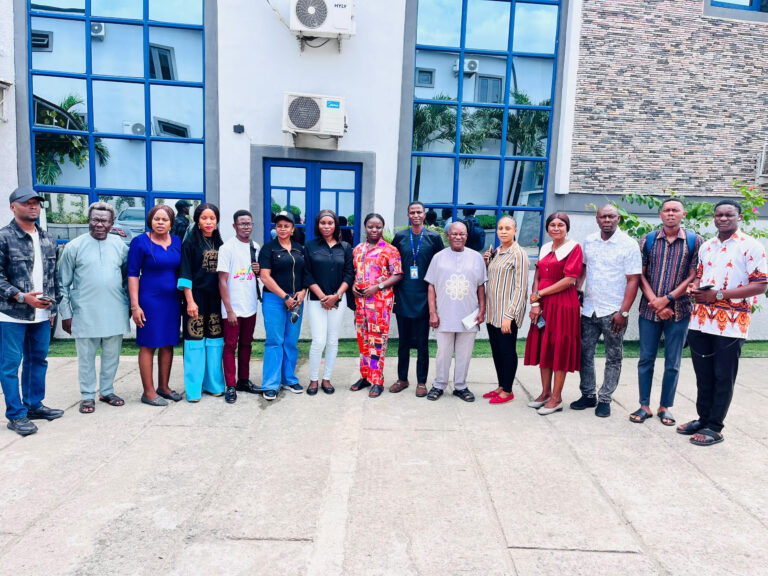
The Oyo State Ministry of Health, through Maternal and Perinatal Death Surveillance and Response (MPDSR), penultimate week trained medical record officers in the state on accurate data collection.
This was part of a programme aimed at checking the trend of maternal and prenatal rate.
Speaking at the two-day event held in Oyo town recently, the chairman of MPDSR and consultant gynecologist, Dr. Olufemi Adesanya, stated that the programme was basically to train the medical record officers in secondary and tertiary health facilities all over the state on the upgrading and use of each platform, data for records with maternal, prenatal death, surveillance and response in accordance with the national guidelines.
He said: “So, we are training people in preparation for the use of that for accurate data collection. Most of our indices in maternal rate and prenatal death in Nigeria are estimates, in the sense that population of Nigerians is estimate to 190 million. And in civilised climes, nobody uses estimates because those indices are parameter used in upgrading social amenities and others.
“So, the real actual figures from those facilities are cascading to local and federal level. This training is on how to get accurate data and interpretation, so that policy makers can use this for data, to assist in developmental changes in the country. This is key to MPDSR.
“We want to capture every single mother that dies during pregnancy or related to pregnancy or every child that dies, to know why, do a death review and summarise the outcome from every facility, maybe local, state and national. Therefore, we will look at those causes and thus, step up a response in preventing further death.
Corroborating him, the MPDSR desk officer, Mrs. Oladele Folashade, said the medical record officers were doing their best in recording all indices of health in the state, regretting that there are records not captured by them.
She said: “Actually, most records in primary, secondary and tertiary public health care facilities are usually recorded, but not captured in private facilities like mission hospitals and others and a reason we came up with the training.”
She noted that underperformance of the MROs contribute a lot to deficient medical services, adding that data presented by the record officers to the state, will be presented to the federal government and will be used to plan.
“For example, perinatal death may be high in some areas but available records may show it is low. So, whatever they put is essential for planning and sustenance of health in the state,” she said.
Speaking on relevance of NOQA-Network, Oladele said it was a network that combines the MROs their data both maternal and perinatal into a national platform wherein, they will log in and put in their data and the data will be saved for future references. “
According to her, “they will therefore interpret, analyse and plan for the health of the citizens, especially mothers and children.
“For MROs to have personal account on this platform is very important because they will have their passwords to enter their data and nobody will alter it because it is whatever they put in the cyber that will be captured at the federal level for use.”