Follow Us on Google

By Chinwendu Obienyi
Honeywell Group Limited (HGL) has said that its partnership with the Bank of Industry (BoI), Nigeria’s oldest and most successful development financing institution, will enhance the socio-economic condition of Nigerians which will in turn make it easier to function and thrive as a business.
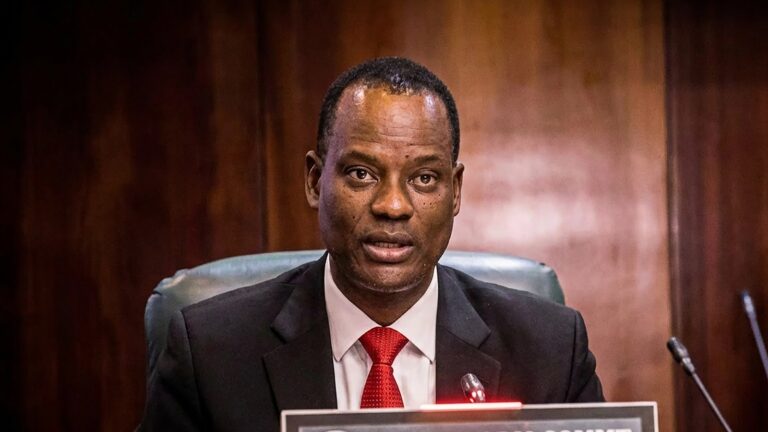
The company’s Chief Financial Officer, Kemi Adeoye made this known during an interview which was monitored by Daily Sun in Lagos. The interview, a feature by BoI’s Impact series is a TV magazine programme that spotlights beneficiaries of the bank’s intervention in different sectors, as well as the achievements borne out of these interventions.
Adeoye whilst speaking alongside the Executive Director, Anchorage Leisure Ltd, the owners of Radisson Blu Anchorage Hotel, Moyo Ogunseinde, noted that operators in the financial, tourism and hospitality industry have had to deal with the capital-intensive nature of these industries.
She said, “One of the critical challenges in the sector is access to long term financing. However, partnering with BoI, an institution that is willing to provide financing for expansion and diversification of projects that enhance the socio-economic condition of Nigerians, makes it easier to function and thrive as a business.
We approached BoI for financing for our renovation plans and the process was hassle-free. They had a deep understanding of our business and its operations, and I would say that it has been an interesting journey. Our relationship with the Bank has been seamless because of the understanding BoI has shown towards the current realities of a sector in need of institutional funding and support to bounce back”.
Sharing insights into the opportunities for growth within the industry as well as bridging the gender gap and investment in local content, Ogunseinde, explained that in the past 15 years, the company has been able to train and improve the capacity of over 300 staff members and several local organisations.
She said, “We have been intentional about closing the gender gap – hiring and training women in areas of expertise that were historically dominated by men. We have also been able to focus on areas that were only open to expatriate workers to accommodate more indigenous Nigerian talent.”
In 2019, before the COVID-19 pandemic, tourism and a number of its allied industries, from travel to hospitality, had generated revenues in excess of N6.9 billion, and workers constituted 4.8 per cent of total employment. However, due to restrictions to international mobility, the travel and tourism sector across the world suffered losses of almost $4.5 trillion.