Follow Us on Google
•One week to guber poll, Adeleke, Oyebamiji, Salaam, others lobby Osun voters amid violence, security concerns
By Oluseye Ojo
With barely one week to the August 15 governorship election in Osun State, the race for the Bola Ige House has entered its most decisive phase, with campaign strategies, security concerns, allegations of political intimidation, violence, voter mobilisation and the credibility of the Independent National Electoral Commission (INEC) dominating public discourse.
Beyond the familiar exchange of campaign promises, the election has evolved into a contest over public confidence in democratic institutions. The neutrality of security agencies, the professionalism of election officials, allegations and counter-allegations of political violence, human rights concerns and accusations of abuse of state institutions have combined to make the Osun governorship poll one of the most closely watched off-cycle elections in Nigeria in recent years.
Fresh developments in the last few days have further heightened political tension.
Governor Ademola Adeleke’s campaign organisation has petitioned the National Human Rights Commission (NHRC), alleging unlawful arrests and detention of several of its supporters by the police ahead of the election.
The campaign organisation also wants the Inspector-General of Police to publicly assure Nigerians that officers deployed for election duties would remain impartial. The petition came only days after the campaign council wrote President Bola Tinubu, alleging intimidation of its members and expressing fears over the conduct of security agencies.
The opposition All Progressives Congress (APC) in the state, however, dismissed the allegations. It accused the governor of resorting to inflammatory rhetoric because of what it described as growing fear of electoral defeat.
Changing political landscape
For nearly three decades, governorship contests in Osun State have largely been dominated by the APC and the Peoples Democratic Party (PDP).
The 2026 governorship election, however, presents a markedly different political landscape.
Governor Ademola Adeleke, who was elected on the platform of the PDP in 2022, defected to the Accord (A) earlier this year following internal disagreements within his former party.
His defection effectively transformed Accord from a relatively minor political platform into the ruling party in the state, which altered the electoral equation. The African Democratic Congress (ADC) has also emerged as a significant force ahead of the election. The party is making the race more competitive than previous governorship contests.
Although political observers still view the APC and Accord as the leading contenders, many believe the ADC possesses sufficient political structure and grassroots appeal to influence voting patterns across several local government areas.
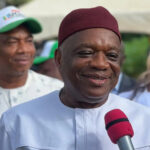
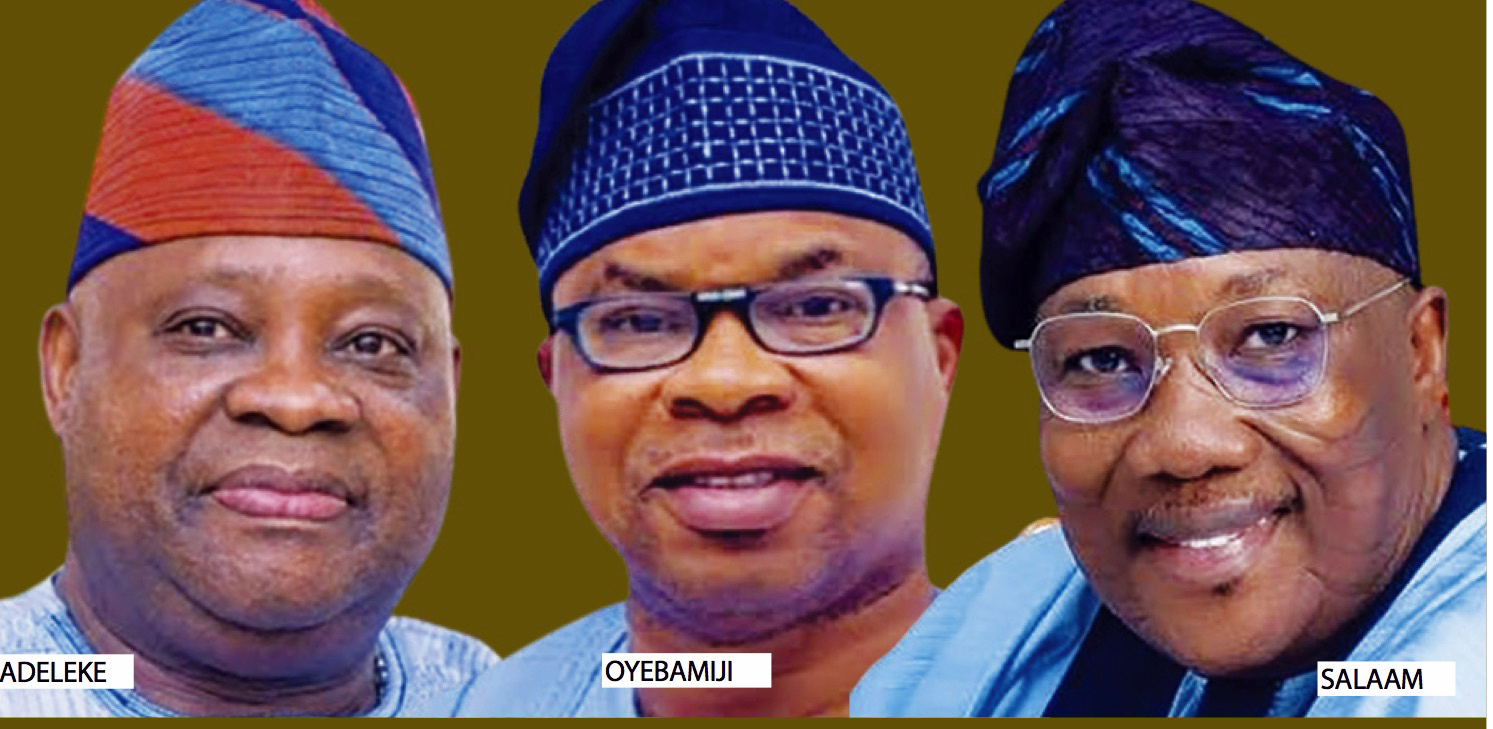
INEC has cleared six political parties to participate in the election, but public attention has largely centred on three candidates – Governor Adeleke of Accord, APC’s Munirudeen Bola Oyebamiji, popularly known as AMBO, and ADC’s Najeem Salaam.
History of political dominance
Osun’s democratic journey has witnessed alternating political leadership since Nigeria’s return to civilian rule in 1999.
Chief Bisi Akande of the Alliance for Democracy (AD) became the state’s first civilian governor in the Fourth Republic, and served between 1999 and 2003. He was succeeded by Prince Olagunsoye Oyinlola of the PDP, whose administration lasted until 2010 following prolonged legal battles arising from the 2007 governorship election.
The APC then established a prolonged dominance beginning with Ogbeni Rauf Aregbesola, who governed between 2010 and 2018, before handing over to Adegboyega Oyetola, now Minister of Marine and Blue Economy, after the 2018 governorship election.
The political tide shifted again in 2022 when Adeleke defeated the incumbent Oyetola in one of the state’s keenly contested governorship elections. Four years later, the rivalry resurfaced in a different political configuration, with Adeleke now seeking re-election on the platform of Accord while the APC attempts to reclaim power.
APC seeks return to Government House
For the APC, the election represents an opportunity to return to power after losing the state to Adeleke four years ago.
Throughout its campaign, the party has projected itself as the platform with the experience, institutional capacity and federal connections necessary to accelerate development in Osun.
Party leaders have consistently argued during campaign rallies that an APC administration would prioritise infrastructure renewal, industrial development, youth employment, improved healthcare, quality education, agriculture and private sector investment.
Responding to repeated allegations that it intends to rely on federal influence rather than popular support, APC officials insist that elections are ultimately decided by voters and not by federal institutions.
According to Osun APC Media and Publicity Directorate, their confidence stems from extensive grassroots mobilisation across all the 30 local government areas and the Ife-East Area Office, where they said party structures remain vibrant. The party also pointed to increasing attendance at campaign rallies as evidence of growing public support and renewed confidence in its developmental agenda.
Campaign officials argued that dissatisfaction with the incumbent administration has created momentum capable of returning the APC to Government House. The APC has consistently identified the economy, infrastructure and governance as the three principal issues around which it seeks voters’ support.
Party leaders contended that unemployment and economic opportunities remain the biggest concerns among young people, while communities continue to demand better roads, expanded rural connectivity, improved healthcare facilities, water supply and stronger investment in education. The party also maintained that prudent management of public resources and a business-friendly environment would attract private investment capable of stimulating economic growth.
Its campaign organisation insisted that extensive consultations with traditional rulers, artisans, transport unions, market associations, youth groups and professional bodies indicate increasing acceptance of the party’s message across the state. The party stated that it has instructed members across polling units to avoid provocation, comply with electoral guidelines and cooperate with security agencies.
Accord banks on incumbency, continuity
The Accord has built its campaign largely around continuity, inclusive governance and what it described as people-centred leadership under Governor Adeleke.
Campaign officials argued that the administration has recorded significant achievements in infrastructure, workers’ welfare, education, healthcare and rural development, which they believe justify another four-year mandate.
The party presented itself as offering stability rather than political uncertainty. Its campaign has focused heavily on direct engagement with voters through community meetings, town hall engagements, market visits and consultations with professional associations.
According to Accord leaders, interactions across the state indicated that residents are more interested in practical governance outcomes than partisan politics.
The party believed that unemployment, the rising cost of living, healthcare delivery, quality education, agriculture and youth empowerment remain the dominant concerns among voters.
Accord officials maintain that increasing participation by young people, professionals and first-time voters during campaign activities reflected growing acceptance of the governor’s re-election bid.
According to the party, recognising that enthusiasm alone cannot determine election outcomes, the party says it has strengthened grassroots mobilisation structures, extending to polling units across the state.
Campaign coordinators, it was further gathered, have intensified voter education, encouraging residents to collect their Permanent Voter Cards (PVCs), understand voting procedures and participate actively on election day. The party said converting campaign goodwill into votes remains one of its major priorities in the final days before the election.
ADC seeks to reshape political calculations
Although much of the public attention remains focused on the APC and Accord, the ADC has steadily positioned itself as a credible alternative capable of disrupting the traditional political order.
The ADC, with former Speaker of the Osun State House of Assembly, Najeem Salaam, as its governorship candidate, has mounted an issue-based campaign centred on economic revival, accountable governance, job creation and institutional reforms.
Political observers believe the party’s growing acceptance among some dissatisfied voters, particularly those seeking an alternative to the dominant political blocs, could influence the overall electoral arithmetic.
While many analysts still regarded the election as primarily a contest between Accord and the APC, they also acknowledged that the ADC could emerge as a decisive factor in closely contested local government areas by drawing votes that might otherwise have gone to the two leading parties.
As a result, the emergence of the ADC might have added another layer of complexity to what was initially perceived as a straightforward two-horse race.
Violence, security concerns cast shadow over campaign
As the campaigns entered their final week, the security situation assumed greater prominence than campaign rhetoric, with a series of violent incidents. This followed allegations of intimidation and counter-accusations between the major political parties, raising fresh concerns over the conduct of the election.
Although political leaders have repeatedly appealed to their supporters to embrace peace, incidents recorded in different parts of the state have heightened anxiety among residents and election observers.
As gathered, security has remained one of the dominant issues in the build-up to the August 15 governorship election, with a wave of politically linked violence heightening fears over the credibility and peaceful conduct of the poll.
Rival parties have traded accusations over the attacks, while security agencies have come under intense scrutiny over their handling of the deteriorating situation. The violence has cut across party lines.
Other News
Security reports and media accounts indicate that approximately 30 people were killed in a series of politically linked attacks, clashes and reprisals across the state from May to July 2026.
But an independent election observer, Kimpact Development Initiative (KDI), documented 44 verified election-related violent incidents between October 2025 and June 2026, resulting in 13 deaths.
According to the organisation, the incidents ranged from shootings and physical assaults to intimidation, destruction of property and attacks on political supporters across several local government areas.
The recurring incidents have fuelled public anxiety over the possibility of further violence as election day approaches.
Civil society organisations, religious leaders, traditional rulers, and Nigeria Union of Journalists (NUJ), Osun State Council, have consequently intensified appeals for restraint. They cautioned that violence could undermine public confidence in the electoral process and discourage voter participation.
Human rights petition raises fresh questions
Adding a new dimension to the pre-election atmosphere, Governor Ademola Adeleke’s campaign organisation, the Imole Campaign Council, petitioned the National Human Rights Commission (NHRC), alleging unlawful arrest and detention of many of its supporters by the police.
The campaign organisation claimed that some of its members had been arrested without justification and detained for prolonged periods. It described the situation as an abuse of fundamental human rights.
Its spokesperson, Pelumi Olajengbesi, urged the commission to investigate the alleged violations and facilitate the unconditional release of those being held if no credible evidence existed against them. The campaign, particularly drew attention to the arrest of one of its supporters, Popoola Alabama, insisting that efforts to secure his release had been unsuccessful despite repeated engagements with the police.
According to the campaign organisation, the police failed to produce evidence to support allegations linking the suspect to criminal activities, maintaining that he was arrested while participating in legitimate political activities. The council also appealed to the Inspector-General of Police, Tunji Disu, to publicly reassure Nigerians that officers deployed for election duties would discharge their responsibilities professionally and without political bias.
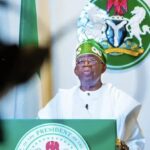
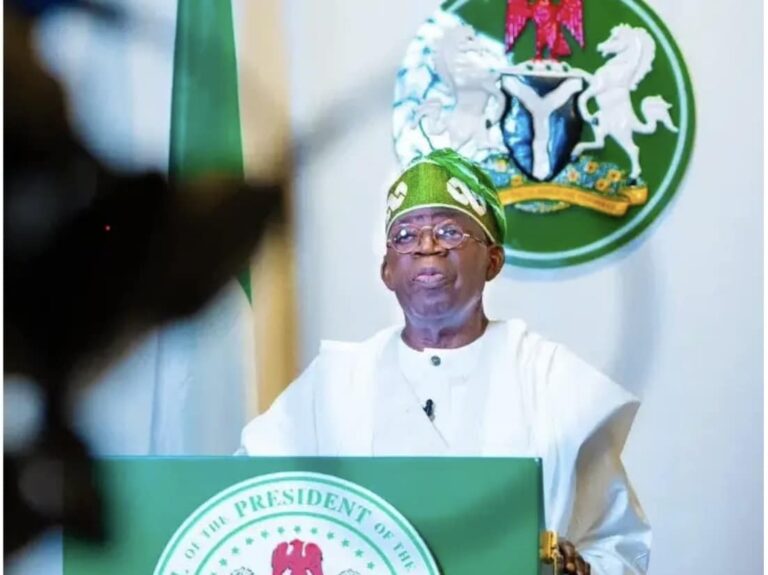
The campaign has equally appealed to President Bola Tinubu to ensure that federal institutions, especially security agencies, are not used in any manner capable of influencing the outcome of the election.
Police defend operations amid heightened tension
Security agencies have continued to maintain that all operations undertaken in the state are based strictly on intelligence and criminal investigations rather than political considerations.
The police have defended some of the arrests questioned by the Adeleke campaign, insisting that those involved are being investigated over allegations including unlawful possession of firearms and other criminal offences.
The differing narratives have further fuelled public debate over the neutrality of security agencies, making professionalism one of the most important expectations ahead of election day.
Political analysts argued that public confidence would depend less on official assurances than on the conduct of officers deployed across polling units and collation centres.
Change of police leadership
Another major development ahead of the election was the deployment of a new Commissioner of Police, Samuel Erale, to coordinate election security in Osun State.
His appointment followed months of controversy surrounding the former Commissioner of Police, Ibrahim Gotan, whose continued presence had been criticised by the state government over alleged partisanship.
deployment has been interpreted differently by political stakeholders.
While some believe the change might help restore public confidence, others insisted that the credibility of election security would ultimately depend on the professionalism, neutrality and discipline displayed by officers during the exercise.
Election observers maintain that whichever officer heads the command, impartial enforcement of the law remains the true measure of public confidence. But sources within Osun State argued that Gotan is on a national assignment at the Force Headquarters in Abuja, and that he might return to the state after the election to continue his work.
Vote-buying allegations deepen political suspicion
Another issue that has continued to dominate political discussions is the allegation of vote-buying and abuse of state resources.
The build-up to the election has also been overshadowed by controversy involving the Secretary to the Osun State Government (SSG), Teslim Igbalaye, following allegations of vote-buying and unlawful possession of electoral materials.
The police alleged that they recovered unspecified numbers of PVCs, voter registers, about ₦4.8 million in cash, a laptop, photocopying machines and a printer during a raid on a residence linked to Igbalaye. The state government, however, denied the allegations, describing the operation as an unlawful invasion of the SSG’s residence and insisted that no electoral offence was committed.
Responding to the controversy, Osun State Attorney-General and Commissioner for Justice, Oluwole Jimi-Bada (SAN), defended the state government. He described the police operation as a violation of due process. He argued that the allegations against the SSG were unsubstantiated, questioned the basis for claims of vote-buying before the election, and maintained that possession of voter registers and PVCs was not, in itself, proof of an electoral offence.
He urged security agencies to remain impartial, respect the rule of law and prosecute only where credible evidence exists.
War of words intensifies
The campaign has also witnessed increasingly sharp exchanges between the APC and Governor Adeleke. At one of his campaign rallies, the governor appealed to President Bola Tinubu to intervene over what he described as rising violence and attacks on his supporters.
He equally warned against any attempt to manipulate the election, recalling the political crisis that followed the disputed 1983 elections in the old Ondo and Oyo States as a lesson from Nigeria’s democratic history.
The remarks immediately attracted strong reactions from the APC. The party dismissed the governor’s claims as evidence of growing anxiety over the forthcoming election, arguing that a sitting governor should focus on defending his performance rather than alleging electoral manipulation before voting had even commenced.
APC leaders also challenged the governor to campaign on infrastructure development, education, healthcare and economic management. It insisted that those issues should determine the choice before voters.
The party further rejected allegations that the Federal Government was withholding local government allocations due to Osun State, maintaining that statutory allocations were being released in accordance with constitutional provisions.
On the issue of political violence, APC leaders turned the accusations against the ruling party, and alleged that several of their members had lost their lives in politically motivated attacks over the past four years.
INEC under intense public scrutiny
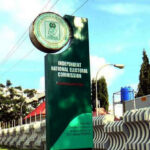
The INEC, according to available information, faces perhaps one of its most important credibility tests since the 2023 general elections.
Although the commission has repeatedly assured political parties and voters of its preparedness, attention remains focused on the timely deployment of sensitive materials, the functionality of the Bimodal Voter Accreditation System (BVAS), efficient logistics and transparent collation of results.
Election observers believed that even minor logistical failures could generate unnecessary controversy in such a highly competitive contest.
The INEC is being challenged to deliver another election capable of strengthening public confidence in Nigeria’s democratic institutions.
Federal influence versus grassroots politics
One recurring theme throughout the campaigns has been the debate over federal influence.
While the APC insisted that electoral victory depends on grassroots mobilisation and voter support, the Accord campaign argued that federal institutions must remain above partisan politics.
It was further gathered that although the party controlling the Federal Government often enjoys certain psychological advantages, elections are ultimately decided at polling units by accredited voters. They noted that effective grassroots mobilisation, voter turnout, polling unit management and vigilant protection of votes remain more decisive than political narratives surrounding federal influence.
Voters as deciding factor
The latest Electronic Register of Voters released by the INEC showed that women remain the dominant voting bloc in Osun State, accounting for more than half of the electorate ahead of the poll.
According to the register, Osun has 2,339,233 registered voters, comprising 1,234,769 women, representing 52.79 per cent, and 1,104,464 men, accounting for 47.21 per cent of the electorate.
The register also reflected a significant increase in the state’s voting population, rising from 1,954,800 registered voters in 2023 to 2,339,233 for the 2026 governorship election.
The growth followed the addition of 365,356 valid new registrants during the 2025/2026 Continuous Voter Registration (CVR) exercise, as well as a net gain of 19,077 voters through inter-state transfers.
Also, INEC disclosed that 322,822 of the 520,728 new PVCs available for collection had been collected as of July 28, representing 62 per cent. The commission subsequently extended the collection exercise to July 31 and later to August 7 at Local Government Area offices to enable more eligible voters to obtain their cards ahead of the August 15 governorship poll.
The electoral umpire further indicated that the governorship election would be conducted across 3,763 polling units located within 332 Registration Areas (wards) spread across the state’s 30 Local Government Areas, with election officials deploying the required personnel and materials to ensure a smooth exercise.