Follow Us on Google

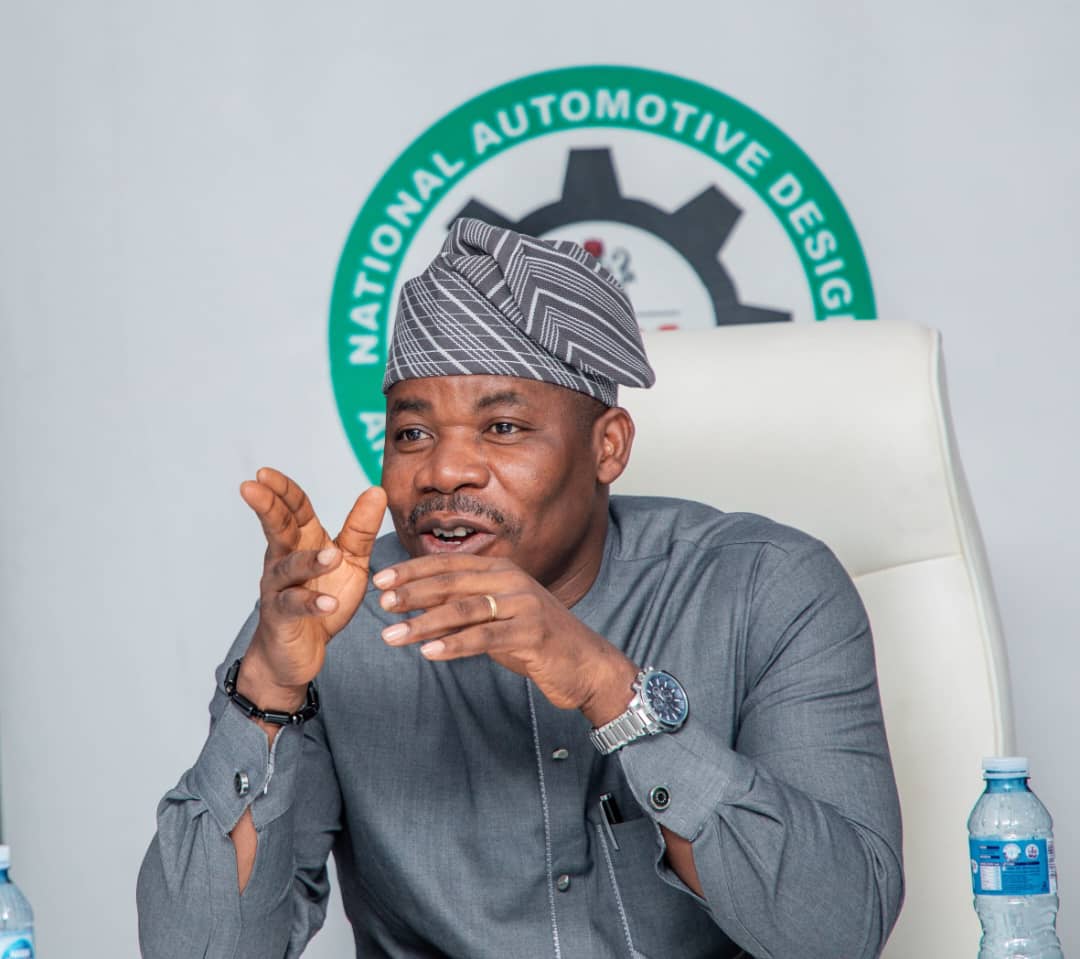
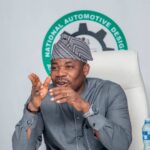
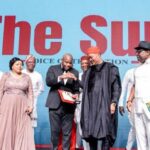
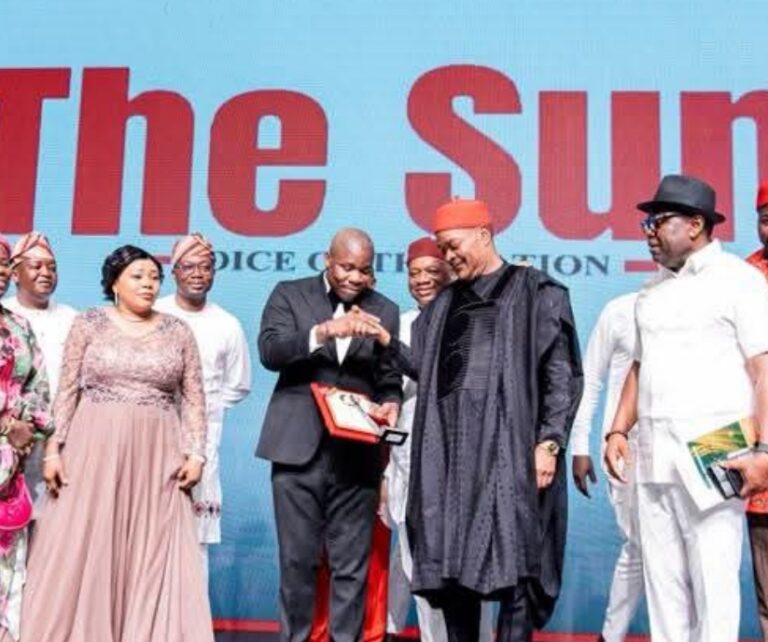
In this interview, granted on the special occasion of the presentation of The Sun Parastatal of the Year Award 2026 to the National Automotive Design and Development Council (NADDC), the Director-General, OTUNBA OLUWEMIMO JOSEPH OSANIPIN, speaks on the need to boost local vehicle production, promote the Federal Government’s Nigeria First Policy, and gradually develop a domestic used-vehicle market to reduce dependence on imported second hand vehicles, popularly known as ‘Tokunbo.’
Osanipin also provides an update on efforts to legislate a new Automotive Industry Act that will give the auto production sector a lasting legal framework, protect investments and guard against policy somersaults.
Interview by The Sun Motoring Editor, MOSES AKAIGWE.
When you assumed duties in October 2023, what did you meet, and what was the situation in the auto industry before you settled down to start addressing the challenges?
I assumed duties in October 2023, and you will agree with me that the situation in almost all sectors of the economy before the inception of the current Federal Government presented one challenge or another, and the auto industry was not insulated from that. So, we had our own challenges. Coincidentally, it was not long after that 1President Bola Tinubu announced his Presidential Initiative on Compressed Natural Gas (CNG).
So, the obvious task became how to handle the conversion and the aftermath of conversion. There was also the issue of low patronage for locally produced vehicles at the time. Related to that was the challenge of low installed capacity utilisation because local production was very, very low.
There was also a lack of attention and publicity for local automakers. At the time, only a few people could talk about the activities in Nigeria’s auto industry, especially those of the local assembly and manufacturing plants. When we came in, if you asked ordinary Nigerians, less than one per cent of them would have been able to mention the local assemblers, apart from Innoson. The production level in the plants was also a bit low. In fact, local component production (local content) was almost non-existent in most of the factories.
So, that was the situation we found on the ground. Based on that, we decided to go to work and try to address those challenges. That was the situation when I came in.
Again, I met staff who were willing to work. The members of staff were ready to cooperate, even though some of them were disoriented. Nevertheless, they were ready to go, willing to work and ready to cooperate with the government to ensure that the Council fulfilled its mandate.
That was the situation we met on the ground.
What would you say about the situation now? Have you confronted those challenges, and how far have you gone in addressing them?
Let me take the first one I mentioned, which was the CNG programme. When we came in, I went to the Presidential Initiative on CNG and held discussions with them. This was because it is a government programme, and we needed to understand the direction it was taking and everything involved.
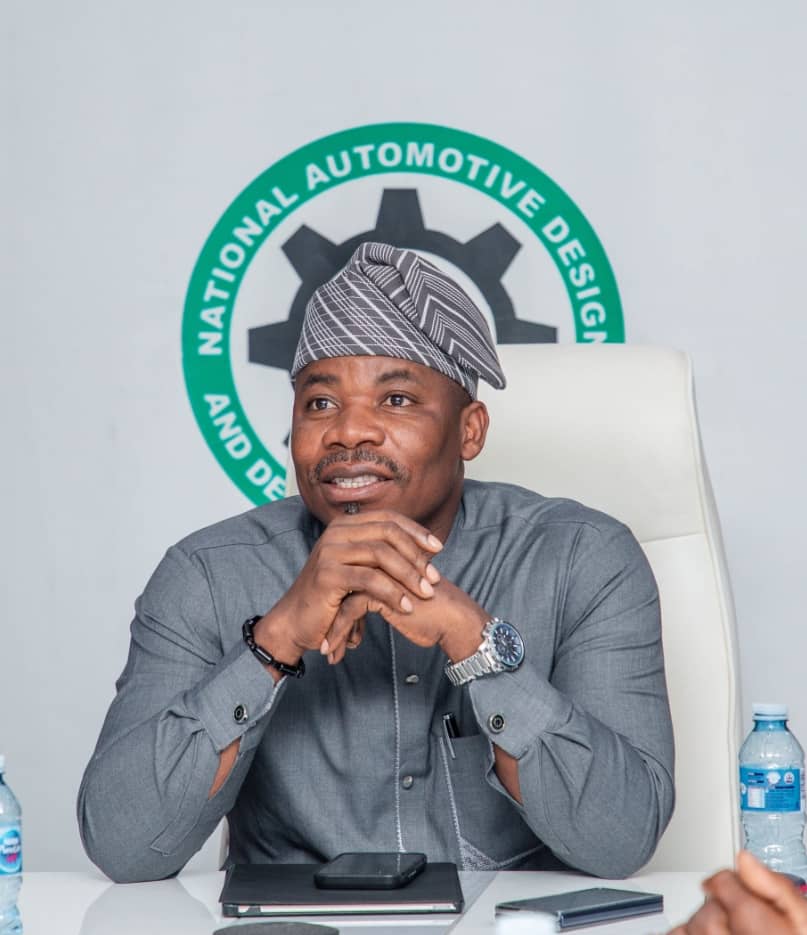
Thereafter, a committee was set up with representatives from the Presidential Initiative on CNG, the Nigerian Midstream and Downstream Petroleum Regulatory Authority (NMDPRA), the National Automotive Design and Development Council (NADDC), and the Standards Organisation of Nigeria (SON). After the committee was set up, I took it upon myself to rally the other units and bring them together.
We participated in the committee and ensured that all our staff and the relevant departments were involved. We then came up with a policy directive on how we were going to move forward. On our part, the committee assigned us our own responsibilities.
Our major responsibility was to ensure that the conversion was carried out in a standard and professional manner. We went to work and assembled our team. As I told you, I inherited this team and found that its members were ready to work.
I challenged them and said we were not going to hire anybody from outside to develop the programme that would assist in accrediting those workshops. Our team did a fantastic job. They put together the platform through which everybody could participate.
They did a fantastic job by creating a platform through which everybody could participate. If you need to apply for accreditation, you simply go online and do everything there. We put in place a very good platform that eliminates the need for anyone to come to our office and be physically present to complete the process.
On our part, we sorted that out. This means we confronted the CNG challenges head-on. We settled the questions of the role we were going to play, how we were going to get involved and how to proceed.
Then, regarding local components, we identified the problem arising from the very low level of local content and came up with various programmes. We identified components that could be produced in Nigeria. We organised a tyre and battery stakeholders’ meeting, discussed investment opportunities in those areas and met with stakeholders who were already doing things in those fields.
We tried to ramp up or increase their production capacity.
We have also gone ahead with the leasing policy to support them. These are some of the things we have done to address those challenges.
Regarding the low level of local vehicle production, the situation we met on the ground was not encouraging. So, we moved around, made calls and met with stakeholders. Within the first three days of assuming office, I flew to Innoson in Nnewi to visit the factory and meet the chairman. Innoson was the first stakeholder I met. We discussed the challenges at length and what needed to be done to increase production.
He took me to the massive new plant where he would soon be manufacturing CNG-powered and electric vehicles. The huge investment made between my first visit in 2023 and my subsequent visit this year is worth several billions of naira.
The Innoson example and those of other auto plants show that the number of vehicles assembled or manufactured in Nigeria has increased tremendously. This growth cuts across motor vehicles, two-wheelers and three-wheelers, that is, motorcycles and tricycles.
Now, let us talk about the publicity and visibility I mentioned earlier. Years ago, very few Nigerians knew about the local assemblers. But if you ask people now, they can tell you a lot about local automakers. They will tell you not only about Innoson, which might have been the only company they could mention in 2023, but also about Nord, Cedric Masters Autos, Lanre Shittu Motors, Mikano Motors and others. This shows that the industry is growing.
You know the situation in ANAMMCO at Emene, Enugu when we came in. But, today, you can see that ANAMMCO is gradually coming back, and the Enugu State Governor (Dr. Peter Mbah) deserves some commendations here. Whenever we have the opportunity, we specifically thank the governors for what they have done and ask them to do more.
We have done that with at least three or four state governors, especially the Enugu State Governor, for patronising ANAMMCO. We have also commended the governors of Cross River and Imo States, which have purchased a lot of utility vehicles. Ekiti State has received our commendation too, because the governor bought several GAC vehicles.
We have also gone ahead to become the focal point for implementing the Federal Government’s Nigeria First Policy. When you consider what we have done in that area, you will see that the visibility of Nigerian-made vehicles has increased significantly. Many ministries, departments and agencies (MDAs) are now talking about Nigerian-made vehicles.
The Nigeria Customs Service, for example, has made it a policy not to patronise any vehicle that is not locally made, unless doing so is operationally inadvisable. It came up with the initiative and asked local assemblers to submit their relevant products for testing. We even took some of the locally assembled vehicles we have in our office to them, and they carried out all the tests. Following the tests, they selected three vehicles that they would patronise for now.
Do not forget that we now have what is known as The Automotive Hour, which airs once a week on two television channels. The programme publicises auto plants in Nigeria and features all stakeholders, including component manufacturers, marketers and financiers such as CreditCorp, which finances automobile purchases.
Regarding the staff, we have done enough to boost their morale. Among other things, we have organised a lot of training programmes for them. We ensure that everyone undergoes a minimum of two or three training sessions a year to boost their confidence and enhance productivity.
When you are equipped with the right tools, you have confidence and believe in the system because you know that the system trusts you. You will then be able to put in more effort.
The Nigeria-First Policy seems to be raising hopes of stimulating patronage in government circles, but what about empowering average Nigerians to purchase vehicles produced locally?
About 25 years ago, China was going through what we are experiencing in the automobile sector. What it did was to encourage government and its agencies to patronise locally made vehicles first. Before long, other people followed the government’s example.
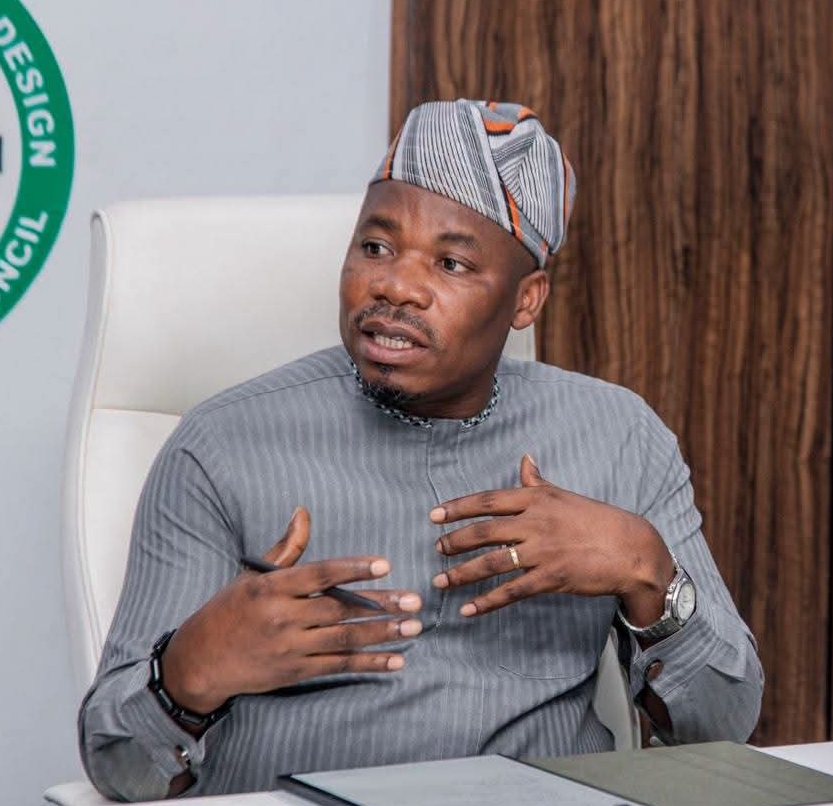
I use a Nigerian-made vehicle, and most MDAs use Nigerian-made vehicles purchased by the government. Now, if I want to buy my own personal car, it is very likely that I will buy a Nigerian-made vehicle. There are CEOs who call me and say, “Oh, Joe, I want to buy a Nigerian-made vehicle. Advise and guide me.”
The government cannot force the private sector to buy Nigerian-made vehicles. However, we are going to put policies in place to encourage private-sector operators to patronise locally made vehicles.
Moreover, it will not be difficult to encourage them because, first, they have seen the government leading the charge. Second, the government has gone ahead to provide some credit facilities.
In July this year, CreditCorp celebrated the provision of credit to 300,000 beneficiaries, the majority of whom were buyers of vehicles produced in the country. We thank the government for that because, immediately after CreditCorp was established about three years ago to provide affordable consumer credit and build a trusted credit infrastructure for working Nigerians, we seized the opportunity.
The first major outing CreditCorp had was with us, when we signed a memorandum of understanding (MoU) under which it agreed to support the products of local manufacturers.
An interview like this would be incomplete without an update on efforts by the NADDC to have an Automotive Industry Policy backed by law.
One way to ensure that a new policy, which the automotive industry needs now is not reversed later, is to ensure that it goes through the legislative process and is signed into law.
That is why we have made considerable collaborative efforts to ensure that the industry has an Act that will not be vulnerable to policy somersaults.
As part of the efforts, the NADDC organised a stakeholders’ engagement forum on the Draft National Automotive Industry Bill a few months ago in Lagos, where participants reviewed the draft, critiqued it and made very useful contributions.
The interactive session organised by the NADDC attracted a wide spectrum of industry players, including automotive manufacturers, assemblers and other stakeholders, who reviewed the proposed legislation.
A final draft incorporating all the stakeholders’ recommendations is expected to be ready for submission to the Federal Ministry of Justice before the end of the year.
We are carrying the Ministry of Justice along, so it will not be like what happened previously, when the process was undertaken without much input from the ministry. Under the present procedure, by the time the final draft gets to the ministry, its officials will already know what it contains.
Also, while we are doing this, we are carrying the National Assembly along. We are engaging the industry committees in both the Senate and the House of Representatives. We are going to send them a draft well ahead of time so that, by the time they review it, any additional suggestions they may have can be collected and the appropriate clauses included.
To what extent is the influx of used vehicles (Tokunbo) a problem for Nigeria’s automotive industry?
If you go to China, you will find a used-vehicle market. Even in the United States of America, Canada, South Africa and many other countries, they all have used-car markets. The difference is that the vehicles are used within their respective systems. In fact, in those countries, they are called pre-owned vehicles.
In South Africa, the used-vehicle market is actually bigger than the market for new vehicles.
To answer your question, we are not against used vehicles. We are not against trading in used vehicles. What we are saying is that, before they are brought into the country, we should first certify them and ensure that they are in the right condition to be used on Nigerian roads.
Many of the used vehicles imported into Nigeria are the types that have been declared scrap in their countries of origin. Some have reached the end of their useful lives but still find their way here. Unfortunately, some of them have been damaged by flood and written off, but are still shipped to Nigeria.
What we are advocating through the Standards Organisation of Nigeria is that importing used vehicles into the country is not a problem, provided they are in good condition and meet the required safety and quality standards. If that condition is met, we do not have a problem with their importation for now.
However, we look forward to a time when the auto market will develop to the extent that imported used vehicles will gradually be phased out, allowing us to start generating our own used vehicles internally. Nigeria’s used-vehicle market should be built around vehicles originally purchased and used within the country, rather than relying almost exclusively on vehicles discarded or sold off by users in other countries. Massive importation of the so-called tokunbo drains our foreign exchange which is not good for our economy.
So, as a Council, we are not saying that people should not bring used vehicles into the country. We are only saying that they should bring in vehicles that meet SON’s safety and quality standards.
But the big challenge is this: Can sales of new vehicles in Nigeria generate enough volume to satisfy the demand for used vehicles?
First of all, to get there, we must start patronising new vehicles in Nigeria. We need to patronise vehicles from our own auto plants: Innoson, Jet, Nord and the rest.