Follow Us on Google
…Says it represents “mixed bag of optimism”
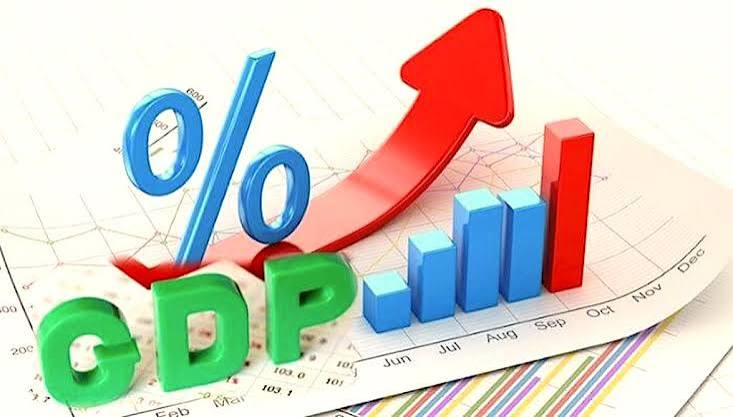
The latest Q2 2026 Gross Domestic Product (GDP) figures have been described as an encouraging sign of economic recovery, but member of the Organised Private Sector (OPS) has cautioned the Federal Government against mistaking growth for a full economic turnaround.
Reacting to the Q2 2026 GDP report released by the Federal Government, Nigeria Employers Consultative Association (NECA) commended the positive direction of the economy, noting that the 4.43 percent expansion represents a significant improvement and provides grounds for cautious optimism among businesses and investors.
The Association, however, stressed that the latest figures should be viewed as evidence of gradual recovery rather than full recovery. According to the employers’ body, the economy is showing signs of gaining momentum, but substantial challenges remain before businesses and households can begin to feel the impact of the improvement in their daily lives.
“The economic direction is positive as growth has now strengthened for the second consecutive quarter,” the Association said, adding that the performance suggests that the economy is “gaining some momentum.”
The employers also noted that the 4.43 percent expansion recorded in the second quarter represents the strongest quarterly growth reported since Q3 2024. The development, they said, is particularly noteworthy given the gradual recovery being recorded in several critical sectors of the economy.
While welcoming the improvement, the Association urged the government to protect the emerging recovery from being undermined by regulatory challenges confronting organised businesses. It warned that inconsistent or burdensome regulations could weaken business confidence and erode some of the gains reflected in the latest GDP numbers.
A major concern, according to the Association, is the widening gap between headline GDP performance and the realities confronting businesses across different sectors.
The employers questioned whether the reported growth is sufficiently translating into improved operating conditions for companies and better living standards for ordinary Nigerians.
“A 4.43 percent expansion does not automatically mean that businesses are thriving or households are better off,” the Association cautioned, stressing that economic growth must ultimately be measured by its impact on productive activity, employment, incomes and living standards.
The Association pointed specifically to the slowdown in industrial growth as a warning sign that the recovery remains fragile. It identified energy costs, inadequate infrastructure, limited access to affordable credit, weak purchasing power and rising production costs as continuing constraints on businesses.
For employers, therefore, the latest GDP figures represent a “mixed bag of optimism.” While the headline growth figure is welcome, the Association argued that the country must now move decisively beyond an economy driven largely by consumption and services towards one anchored on manufacturing, real investment, agro-processing and productive enterprise.
The Association maintained that the quality of growth matters just as much as the rate of growth. It called for policies capable of strengthening domestic production, expanding productive capacity and improving the competitiveness of Nigerian businesses in both domestic and international markets.
“The real test is whether the ongoing reforms will continue to translate GDP growth into more decent jobs, higher productivity, improved productive capacity, stronger business competitiveness and improved household incomes,” the Association stated.
It further urged policymakers to ensure that the current economic reforms do not merely produce stronger statistical indicators but generate tangible improvements that can be seen and felt by businesses and households. According to NECA, growth that fails to create jobs, raise incomes and reduce the cost of doing business would remain insufficient.
The Q2 2026 GDP performance, the employers said, should therefore serve as both an encouragement and a call to action. While the figures demonstrate that the economy may be moving in the right direction, the industrial slowdown underscores the need for sustained and carefully targeted intervention to prevent the recovery from losing momentum.
The Association concluded that the 4.43 percent GDP growth is “a positive signal of a recovering economy,” but warned that the journey is far from over. It called on the government and all economic stakeholders to seize the opportunity to convert the emerging recovery into “productive, visible and inclusive impact”, turning encouraging GDP numbers into stronger businesses, better jobs, higher incomes and a more prosperous economy.