Follow Us on Google

…Influencers caution against misinformation
By Chinenye Anuforo
[email protected]
As the country prepares for the 2027 general election, telecommunications infrastructure security and the growing influence of social media personalities have emerged as critical issues that could determine the credibility of the electoral process.
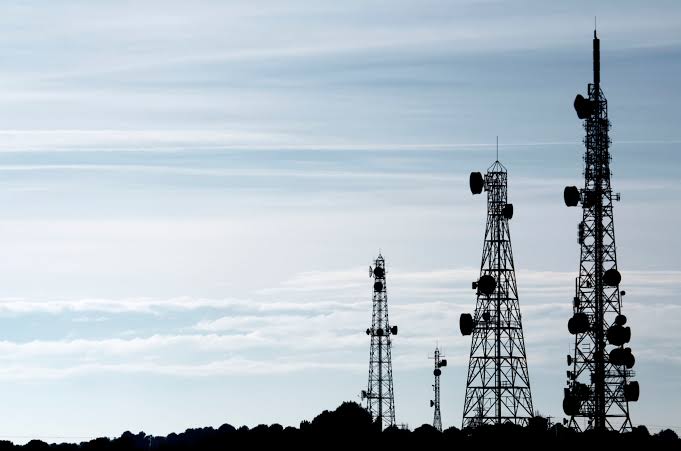
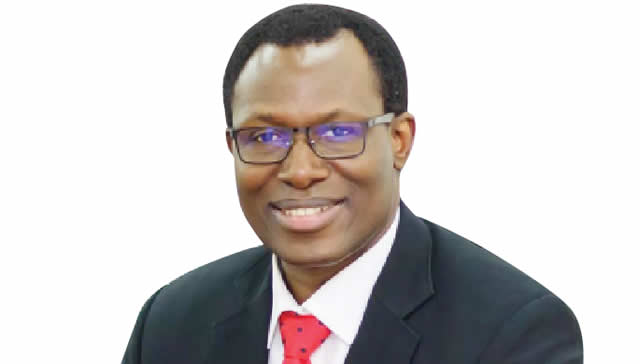
Chairman of the Association of Licensed Telecommunications Operators of Nigeria (ALTON), Engineer Gbenga Adebayo, has warned that insecurity and attacks on telecommunications infrastructure could undermine connectivity during the elections, despite improvements in network coverage and investments by operators.
He also called for stronger protection of critical telecommunications facilities, particularly in areas affected by insecurity, where operators face difficulties accessing and maintaining their infrastructure.
Adebayo spoke during a panel session on the roles of telecommunications operators and social media influencers in safeguarding Nigeria’s electoral information environment at the National Summit on Electoral Information Integrity in Abuja, penultimate week.
The summit, themed Beyond the Ballot: AI, FIMI and the Integrity of Nigeria’s 2027 Election, was convened by the International Press Centre (IPC), the Centre for Media and Society (CEMESO) and Development Alternatives Incorporated (DAI) under the European Union Support to Democratic Governance in Nigeria (EU-SDGN) Programme.
Addressing concerns about the preparedness of telecommunications networks for the elections, Adebayo said operators had made significant progress in expanding coverage and strengthening network capacity.
He explained that following the telecommunications tariff adjustment in January 2025, operators had increased investments in network expansion and development, extending services to more locations across the country.
According to him, the industry had invested more than €4 billion in network expansion and development since the tariff adjustment, improving service availability and reliability in several parts of Nigeria.
He, however, identified the security of telecommunications infrastructure as a major challenge, warning that operators could not independently guarantee the safety of facilities located in vulnerable communities.
“ What is not in our control as network operators is the security of those infrastructures, particularly in terms of security,” he said.
He noted that telecommunications infrastructure had become critical to virtually every sector of the economy, including electricity, healthcare and other essential services, making its protection a national priority.
Adebayo disclosed that operators sometimes required military escorts to access telecommunications facilities in areas affected by insecurity, particularly when carrying out maintenance and providing power to network sites.
He warned that any deliberate attempt by non-state actors to disrupt communication services could pose a threat to the electoral process.
The ALTON chairman, however, maintained that the telecommunications industry was better positioned to support the 2027 elections than it was during the 2023 general elections.
He attributed the improvement to increased deployment of 3G, 4G and 5G technologies, expansion of fibre-optic infrastructure and investments in network capacity.
Although some coverage gaps remained, particularly in areas where insecurity had affected access to infrastructure, he said the existing limitations were not significant enough to create a nationwide connectivity crisis.
Beyond infrastructure concerns, the panel also examined the growing influence of social media personalities in shaping political opinions and narratives ahead of the elections.
Social media influencers Dan Bello and Rukkayah Mohammed highlighted the need for content creators to embrace accuracy, transparency and accountability, particularly when communicating political information to large audiences.
Mohammed argued that the distinction between content creators and influencers was important, explaining that while content creators might focus primarily on entertainment and personal experiences, influencers could significantly shape public perceptions and influence decisions through their credibility and knowledge.
The discussion also highlighted the growing preference for entertainment-driven content on social media, with speakers noting that such material often attracts more attention than educational or civic-focused content.
However, the panellists stressed the importance of using digital platforms to promote voter education, particularly among young Nigerians who increasingly rely on social media for information about governance and national issues.
Drawing from personal experience as a primary school teacher, one of the influencers likened responsible social media influencing to teaching, which requires patience, consistency and an understanding of the audience.
She explained that young Nigerians, particularly those between the ages of 18 and 24, needed sustained civic education to understand their rights, the responsibilities of public officials and the issues they should consider when making political decisions.
She observed that more young Nigerians were gradually becoming confident enough to express their views on governance and national issues, moving beyond merely commenting on other people’s posts to creating their own content.
The discussion also emphasised the importance of developing networks of content creators across Nigeria’s different linguistic and cultural communities to tackle misinformation.
On his own part, Bello argued that misinformation could spread rapidly within specific ethnic, cultural or linguistic communities, making it necessary for content creators who understand those communities to collaborate in identifying and countering false narratives.
He called for more responsible content creators producing voter education materials in indigenous languages, including Hausa and Yoruba, among other Nigerian languages.
Such collaboration, he said, would enable content creators to identify misleading narratives, develop appropriate responses and circulate accurate information across different communities before falsehoods caused significant damage.
On the responsibilities of influencers, the panellists maintained that having a large following came with an obligation to ensure that information shared with audiences was accurate and properly verified.
They identified fact-checking, correcting misinformation and disclosing paid political engagements as essential standards for responsible influencing.
The speakers argued that influencers who receive payments to promote political candidates or particular narratives should disclose such arrangements to enable their followers to distinguish between independent opinions and sponsored content.
They also stressed that influencers must be willing to publicly correct false information whenever they discover that they have misled their audiences.
The discussions underscored the need for stronger collaboration among telecommunications operators, social media influencers, media organisations, electoral institutions and other stakeholders to protect Nigeria’s information environment ahead of the 2027 general elections.