Follow Us on Google

By Chukwuma Umeorah
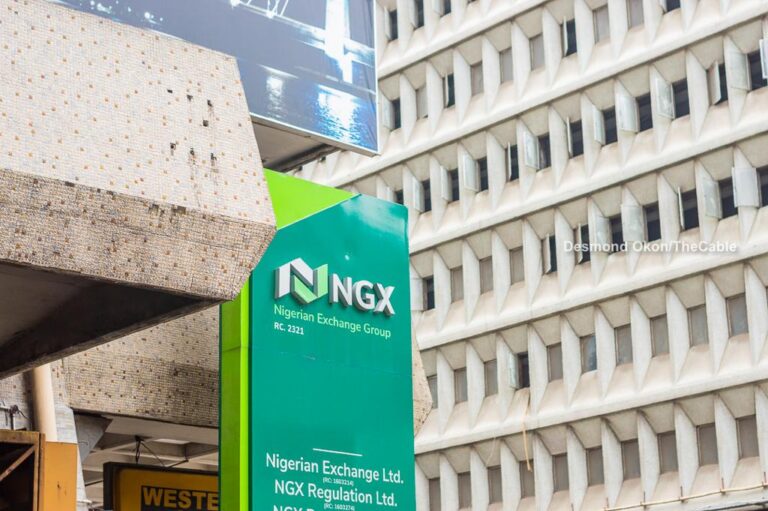
Stakeholders in the Nigerian capital market say that the shift to a T+2 settlement cycle will strengthen liquidity, reduce risks, and give investors a more efficient window for switching between asset classes, as the market begins implementing the new protocol announced by the Nigerian Exchange (NGX).
Nigeria’s capital market officially adopted the T+2 settlement cycle on November 28, marking a major shift from the long-standing T+3 framework. The change means that transactions now settle two business days after execution, allowing investors quicker access to cash and securities.
Speaking to Daily Sun, the Managing Director/Chief Executive Officer of Arthur Stevens Asset Management, Olatunde Amolegbe, said the move aligns Nigeria with major global markets and enhances foreign investor perception. “The movement towards a T+2 is actually in line with global trends at the moment. The London Stock Exchange is at T+2 while New York Stock Exchange is at T+1. This alignment with international markets should encourage FPI to view our market favourably,” he said.
Amolegbe explained that the harmonized cycle for equities and bonds will make portfolio restructuring even easier for institutional and retail investors who frequently switch between instruments. “This also aligns the settlement cycle for equity and bonds in the market making switching between those two instruments seamless. Thirdly, the reduced settlement timeline also provides relief to retail investors that might need liquidity within the period,” he added. He noted that operators only needed to adjust their back-office systems to meet the new requirements, describing the shift as “a positive move for market liquidity as well as reduction of settlement risk.”
Other News
David Adonri, Vice Chairman of Highcap Securities, said the one-day reduction would have immediate effects on transaction flow and financing costs. “The reduction of settlement period for transactions on NGX from T+3 to T+2 will make both cash settlement and delivery of securities to occur a day earlier. One day in the Capital Market means a lot. It will make cash and securities available within three days for another round of transactions thereby facilitating velocity and market liquidity,” he said.
Adonri added that the shortened cycle lowers funding costs for investors who rely on credit for asset purchases and makes securities behave more like near-cash instruments. “It will reduce the cost of funds used in financing assets acquisition due to shortened timeframe. This reduction in settlement cycle will make securities to become more liquid assets and nearer cash,” he stated. He also noted that ongoing technological upgrades within the market are already paving the way for an eventual shift to instantaneous settlement.
“Advancement in market technologies in Nigeria has actually made T+0 settlement cycle to become feasible. Very soon, transition to this target will occur. T+2 is part of the gradual movement to T+0. There are strong risk management tools in the Market now to mitigate settlement risks,” he said, adding that investors should view the transition as a step forward.
Meanwhile, the Securities and Exchange Commission (SEC) says the current move fits into its broader roadmap for a more advanced settlement environment. The Commission’s Commissioner for Operations, Bola Ajomale, recently told capital market correspondents that regulators were already working toward a June 2026 rollout of a T+1 settlement cycle, in collaboration with market infrastructures and operators.
He explained that the shift to T+2 would further help the market identify gaps that must be addressed before the eventual transition to T+1. He said preparations, infrastructure reviews, and stakeholder engagements were ongoing, stressing that the Commission remains committed to a modern settlement architecture that matches global standards.