Follow Us on Google
From Stanley Uzoaru, Owerri
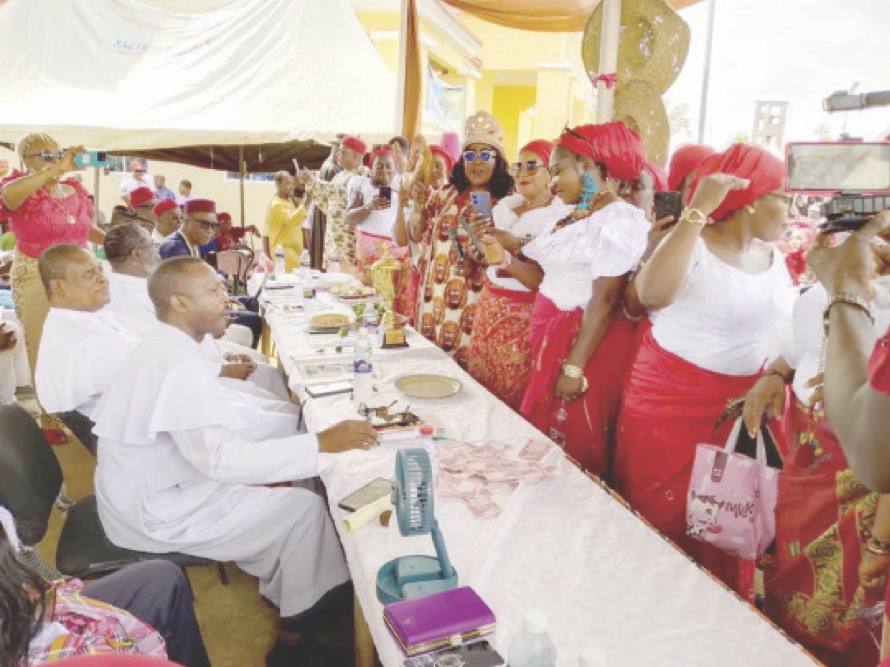
Uratta, a sprawling community in Owerri North Local Government Area of Imo State, comprising Obibi and Ihita-oha came alive on Saturday, February 14, 2026, as indigenes gathered at the historic Orie Uratta square, which is also the local government headquarters, for the annual Onwa Oru festival.
More than a colourful display of masquerades, traditional dances and red george regalia, the event reaffirmed a cultural legacy that has bound the people of Uratta together for generations.
Onwa Oru is a festival that marks the end of one planting season and the heralding of the next one. Its timing – five Igbo market weeks from declaration to conclusion has been observed since the earliest days of the community’s ancestors.
The ceremony is announced on every Orie Ukwu market day by the Onye Ishi Ala Uratta, who declares a “period of peace” during which quarrels, court cases, police summons, cannon fire and even divorce proceedings are forbidden.
Burial rites are kept low key, underscoring a community wide commitment to harmony.
This year’s celebration was unique – a blend of cultural festival and orthodox religion – beginning with a Holy Mass presided over by Rev. Fr. Charles Ikwuegbu, a native of Uratta. The service coincided with St. Valentine’s Day, prompting the cleric to weave a message of love into the traditional rites.
“Onwa Oru is a culture without fetish or satanic practices; it is in the hands of God,” said Rev. Fr. Philip Ogbonna, Pro Chancellor of Imo State University and chairman of the occasion.
Fr. Ogbonna, who is also a son of Uratta praised the festival for its continued prominence and thanked the Uratta Development Union (UDU) leadership, especially, its President General, Engr. Stanley Ukaga, for their diligent stewardship.
Traditional rulers added weight to the celebration. HRH Eze Emmanuel Okoro (Eze Ocha II of Ihita-oha Uratta) reminded attendees that “a people without culture are doomed,” emphasizing that Onwa Oru is a veritable legacy that promotes love, unity and oneness. HRH Eze Boniface Ariri of Obibi and HRH Eze David Nnawuihe Onu Egwunwoke (Eze Udo III of Akwakwuma Uratta) echoed similar sentiments, noting that the festival rekindles communal affection and spurs development through the provision of modern amenities.
Sons and daughters of Uratta don white shirts and red george wrappers, creating a sea of colour at the venue.
Highlights of the festival include a traditional wrestling contest between Obibi and Ihita-oha, a hunting expedition that signals the start of the new farming season, and the “Ipohu Omu” ceremony raising the large Ofo (symbolic staff of authority) to declare the festival’s end and permit agricultural work to commence.
Beyond its cultural significance, Onwa Oru has become a platform for development dialogue. Former Acting General Manager of the State Environmental Transformation Commission, Chief Willy Amadi, commended the UDU for its selfless service and urged continued efforts to modernise infrastructure while preserving tradition.
As the drums fell silent and the market square emptied, the message from Uratta was clear: a people who cherish their heritage, uphold peace, and embrace love will always find a way to thrive season after season, and generation after generation.