Follow Us on Google
ν Governor aware of concerns, says Zulum’s aide
From Timothy Olanrewaju, Maiduguri
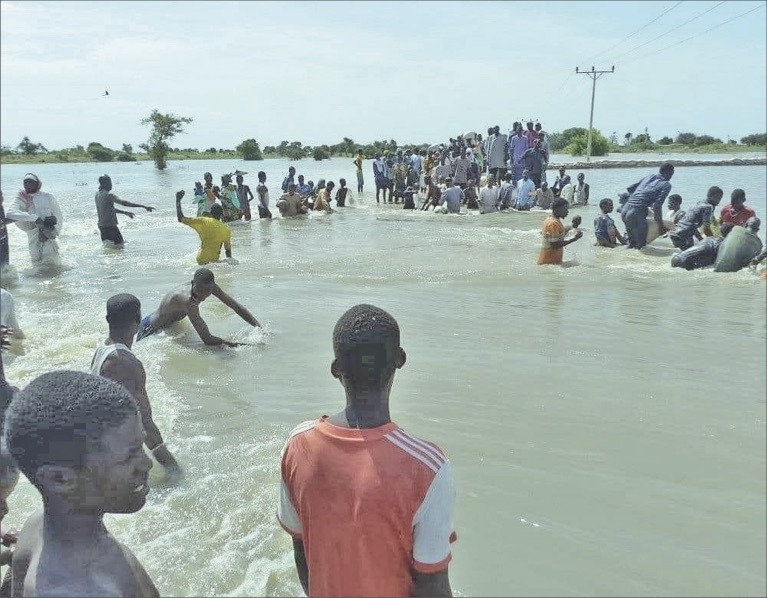
A year after the September 2024 devastating floods in Maiduguri, Borno State, victims of the monumental disaster said they were still suffering from the trauma and agony they experienced during the incident when massive volumes of gushing water inundated streets and homes in the city, causing deaths, destroying houses, means of livelihoods and creating health concerns all over the city.
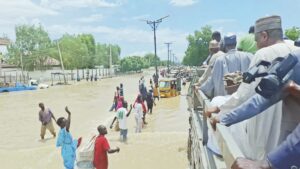
Residents were forced out of their beds in the wee hours of Tuesday 10th September, 2024 as massive water overran their homes. Many said the incident, which was caused by the breakdown of Alau Dam situated some 12 kilometres from the city, triggered huge human displacement, deaths, destruction of public and private buildings, as well as infrastructure, including roads, water supply, electricity and telecommunication facilities as well as the transport system.
Many victims said they had yet to complete rebuilding of their hones, replacement of their household items or working tools swept away or destroyed by the flood. Some said their agony has been worsened by the disappearance of their beloved ones who were caught in the surging water.
Yusuf Balami, whose father, Mr Abdullahi Joshua Balami was swept away by the flood on the fateful day, described the experience as traumatic.
“It’s not easy. The family is still agonising over the loss of our father. It’s been very traumatic to us,” he said in a low tone as he sank into a chair for a conversation with the reporter. He was speechless for a few minutes, looked up at the ceiling and then, continued the story of his dad’s tragic fate.
According to him, Mr Balami, a staff of the moribund Lake Chad Hotel, Maidugiri, and his family fled their home at Fori, a sprawling community at the city’s outskirts when they realised the flood had already hit their neighbourhood.
“We fled the house together. The water was moving speedily and there was panic everywhere. We decided to run to a particular place with others for safety. Along the road, baba told us he wanted to go back to the house to change his clothes because the trouser he was wearing wasn’t good. He promised to join us at the agreed place. But sadly, he never showed up again,” Yusuf who is the eldest son, lamented.
He said family members launched intensive search for the old man days after when the flooding had subsided but regretted that they did not find Mr Balami either dead or alive. He said though government gave the family a token to rehabilitate their house, he appealed for support to help the family overcome their agony. He also requested the release of the report on the missing or dead persons.
The unreported casualties
Ibrahim Aliyu, a resident and an ex-aid worker, believed that many of those that died or went missing during the flooding have not been reported or accounted for a year after the flood disaster.
For instance, a girl believed to be about six years old was swept away from her mother. Witnesses said her mother, who held her hand, had attempted to cross from Gwange area of the city to Lagos Street when the sad event occurred.
The mother, who had a baby on her back, a luggage on her head and a teenage boy walking before her, suddenly lost control of her steps due to the force of the flood and slippery nature of the ground then. The little girl fell down in the process, and with no immediate rescue effort, she was swept away by the currents, never to be seen again. Those that witnessed the incident told the reporter that the woman left the scene crying and wailing, fearing she might also lose her life, the baby and her teenage boy.
Cry for help
Other News
Victims have appealed to the government to review the statistics of those affected by the flood. They said many of them had yet to receive support from the state government a year after the disaster.
Abba Mohammed, a focal person for flood victims in Ngomari Costain, Kwana Yobe, Goni Kachallari, Bayan Costain and Simari in the city, claimed that many victims were going through what he tagged post-flood trauma.
“We have yet to recover. People are going through trauma. You see many of them just talking to themselves. They’ve lost all their belonging and did not get the government support. Those who got could not replace their losses because the value of money has depreciated compared to when they purchased those items,” he said in an interview with the reporter.
He claimed many of the victims captured by government officials shortly after the flood disaster, were yet to receive cash transfer support from the state. He said the agony of many victims had persisted because government did not review its post-flood interventions to determine those left out.
“Some residents who were not even affected by the flood received cash transfer twice, some three times and the real people did not get. They kept on struggling to return to normal life but things are very difficult. So this is creating some psychological issue and agony,” he claimed.
Gov Zulum’s move
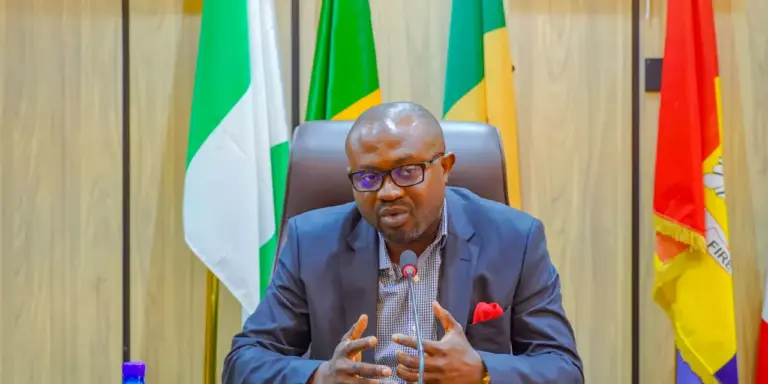
Gov Babagana Zulum has announced a move to review the flood victims support and intervention, his spokesperson, Malam Dauda Iliya told the reporter.
Iliya who was also the publicity officer of the defunct Flood Relief Disbursement Committee constituted by the Borno State government on 23rd September, 2024, maintained that Gov Zulum was aware of some of the victims’ concerns. He assured that the governor was determined to tackle the “genuine issues.”
He explained that the committee gave food and non-food items to 101,000 flood victims after verification by a government assessment committee. He said cash support was transferred to the victims’ bank accounts by a government agency. He explained the support was done in three categories from the over N18 billion donations received from donors, including United Nations agencies, state governments, organisations, philanthropists and individuals.
“The supports were in three categories; minimal damage, partial and full damage. Victims got support depending on the categories they fell into and based on the initial assessment,” he explained.
He also clarified the payment challenges. He said some victims who submitted online account numbers instead of instituted banks may not receive payment. He expressed concern that some residents not affected presented themselves for verification and payment, urging people to desist from such act.
He said the governor visited the Alau Dam at different times since the start of rehabilitation of the facility to provide security and logistic supports to workers on the site.
He also said government earmarked N20 billion to rehabilitate damaged roads, bridge, schools, hospitals, markets, recreation centre and facilities, public utilities such as water supply, electricity facility and government offices.
“The Flood Relief Disbursement Committee subsequently recommended the need for the establishment of a disaster response unit with capacity to effectively respond to such occurrence in future. It also suggested introduction of technology such as early warning system and need for street naming in the city for easy location,” the spokesman disclosed.
Some residents also urged government to consider special interventions like psycho-social and life-saving supports for victims that were seriously impacted by the incident.