Follow Us on Google
The Nigerian government has been urged to reconsider restoring fuel subsidies to ease the country’s rising cost-of-living hardship.
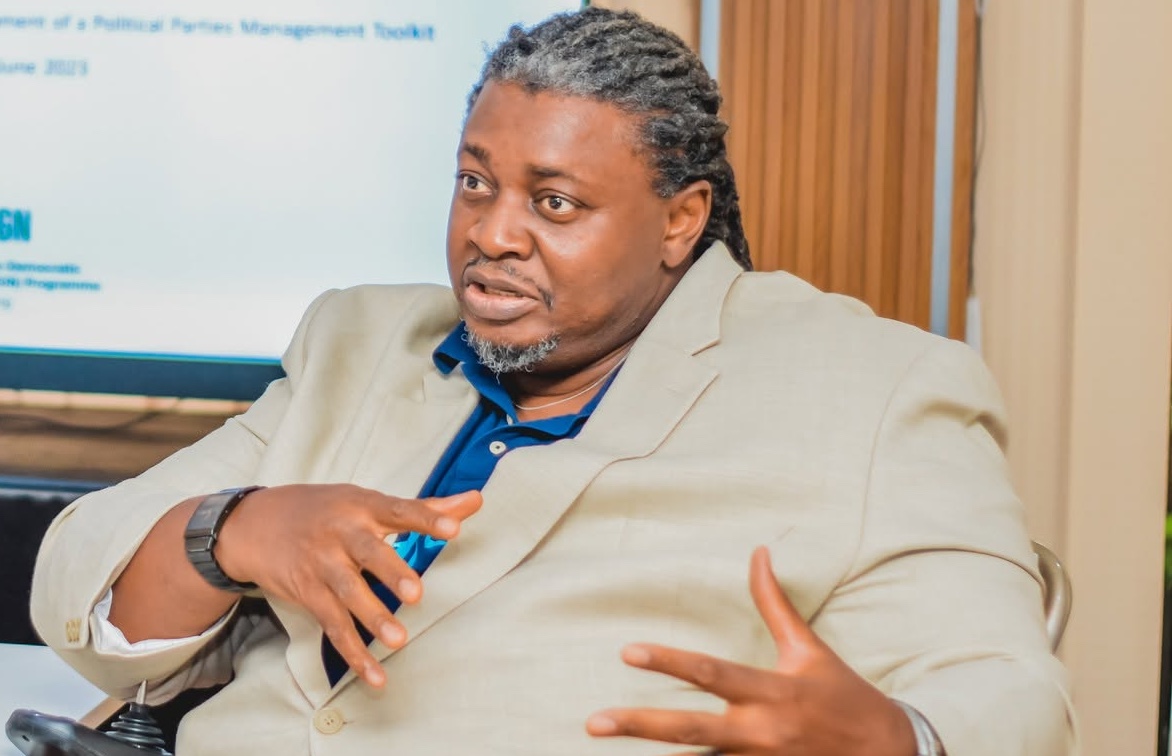
The call was made by Dr Chike Okogwu, a former member of the board of the Subsidy Reinvestment and Empowerment Programme (SURE-P).
Okogwu, who represented Persons with Disabilities on the SURE-P Board between 2012 and 2015, also backed former Vice-President Atiku Abubakar’s proposal to restore the subsidy policy if elected president in 2027.
In a statement in Abuja, he said Nigeria’s problem was not subsidy itself, but the corruption, leakages, and poor management associated with it.
He called for a transparent, technology-driven subsidy regime that would ensure accountability and prevent abuse.
According to him, SURE-P demonstrated that savings from subsidy reforms could be channelled into critical infrastructure and social programmes.
He cited the Second Niger Bridge, Loko-Oweto Bridge, road projects, and railway rehabilitation among projects supported by the programme.
Okogwu said SURE-P should not be remembered only for corruption allegations, insisting that individuals found guilty of mismanaging public funds should be held accountable.
He proposed the use of the Bank Verification Number (BVN) and other digital identification systems to create a more efficient subsidy framework.
Other News
He also advocated technology-based tracking of petroleum products and payments from refineries to filling stations to minimise leakages.
The former board member expressed concern over the rising cost of living since the removal of fuel subsidy, saying increased petrol prices had pushed up transportation, food, healthcare, and education costs.
He said the development had worsened hardship for vulnerable Nigerians, particularly persons with disabilities, the elderly, and low-income earners.
Okogwu further called for greater transparency in the utilisation of funds saved from subsidy removal, saying Nigerians deserved to know how the money had been spent and what benefits they had received.
He also urged increased support for local refining to reduce Nigeria’s dependence on imported petroleum products.
“Any new subsidy system must protect vulnerable groups, including persons with disabilities, widows, students, farmers and low-income earners,” he said.
Okogwu maintained that a properly managed subsidy regime could reduce living costs and shield vulnerable Nigerians from further fuel price increases.
He urged the Federal Government to learn from the successes and failures of SURE-P and develop a subsidy system that is transparent, accountable, and directly beneficial to citizens.